







Adjustability is Everything
A chair is only ergonomic if it fits your body. True ergonomic design comes from customisable adjustability. The most essential feature is seat height adjustment, which allows you to place your feet flat on the floor with your knees at a 90-degree angle.
Look for a pneumatic lever that makes this easy to change. Another critical, but often overlooked, feature is seat depth adjustment. This lets you slide the seat pan forward or backward to ensure there are two to four inches of space between the edge of the seat and the back of your knees, which is vital for circulation and proper back support.
Prioritise Lumbar Support
Long hours of sitting can cause the natural inward curve of your lower back to flatten, leading to significant strain and pain. A good ergonomic chair must have lumbar support to prevent this. While fixed support is better than nothing, the best chairs offer adjustable lumbar support. This allows you to change the height and depth of the support to perfectly match the curve of your own spine. When testing a chair, make sure you can feel the support in the small of your back without it pushing you uncomfortably forward.
Check the Armrests
Armrests aren't just for resting your elbows; they play a key role in reducing strain on your neck and shoulders. Standard, fixed armrests often don't align with your body or desk height, causing you to hunch. Look for '3D' or '4D' armrests. These can be adjusted for height, width, and forward/backward position. Properly adjusted armrests allow your arms to rest at a 90-degree angle, level with your desk, which keeps your shoulders relaxed while you type.
Material Matters, Especially in India
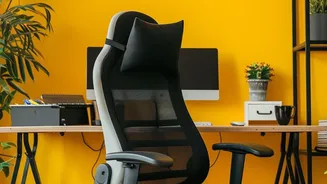
The material of your chair directly impacts comfort, especially during long hours and in warmer climates. Mesh-backed chairs are highly popular in India for a reason: they offer excellent breathability and promote airflow, which helps keep you cool and prevent sweating. Fabric chairs provide a softer, more cushioned feel, which some people prefer, but they tend to retain more heat. Leather offers a premium look but is the least breathable. For most home offices in India, a high-quality mesh back combined with a comfortable cushioned seat offers the best balance of support and temperature regulation.
Don't Forget Mobility and Recline
Your work chair should allow for movement. A stable, five-caster swivel base lets you easily move and reach different parts of your desk without straining. Additionally, a good backrest should recline. Sitting in a single, static position is not ideal; studies show that dynamic sitting, where you can shift your posture, is healthier for your spine. Look for a chair with a recline function that includes tension control, allowing you to adjust how much force is needed to lean back. This encourages small movements throughout the day, which helps reduce muscle fatigue.
Budget and Warranty
Ergonomic chairs come in a wide price range. While it can be tempting to opt for the cheapest model, it's better to view this purchase as a long-term investment in your health. A higher price often correlates with better build quality, more adjustment features, and greater durability. For the Indian market, reliable brands offer options with significant adjustability in the mid-tier price range. Before you buy, always check the warranty. A solid warranty that covers defects gives you peace of mind and protects your investment, ensuring your chair will support you for years to come.