





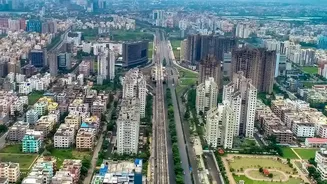
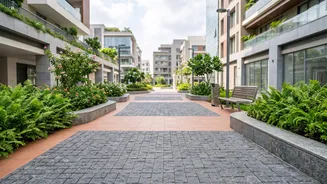
For decades, Indian city streets have been synonymous with traffic and congestion. But a new wave of urban redesign is reclaiming these spaces for people, proving that thoughtful planning can get us back on our feet and enjoying the outdoors.
From Car-First to People-First
Across India,
a significant philosophical shift is underway in urban planning. The long-held priority of designing streets primarily for vehicle movement is being challenged by a people-centric approach. Planners and city authorities are recognising that streets are not just conduits for traffic but are vital public spaces for community interaction, commerce, and recreation. This 'Healthy Streets' approach involves creating environments that are safe, comfortable, and inviting for everyone, especially pedestrians. The goal is to develop sustainable urban areas that improve public health, reduce pollution, and create more equitable cities where walking is a safe and pleasant choice, not a daily struggle. This change is driven by the understanding that investing in pedestrian infrastructure offers significant economic, social, and environmental benefits.
The Transformation of Chandni Chowk
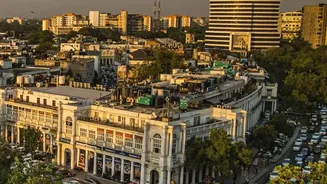
Delhi's historic Chandni Chowk is a prime example of this transformation. The ambitious redevelopment project converted a 1.3-kilometre stretch of the once chaotic and congested commercial hub into a pedestrian-friendly promenade. Motorised vehicles were restricted during peak hours, and the space was redesigned with wide, sandstone-paved footpaths, designated lanes for non-motorised vehicles, and public seating. The results were immediate, with a notable increase in pedestrian footfall as shoppers and tourists enjoyed the newfound space and cleaner air. The project aimed to restore the 'old-world' magnificence of the area while making it safer and more accessible. While the project has faced challenges with upkeep and enforcement since its inauguration, its initial success provided a powerful demonstration that even the busiest commercial arteries can be successfully redesigned for people.
Chennai's Pedestrian Plaza Revolution
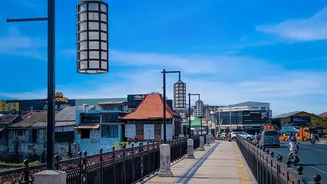
In the south, Chennai has become a leader in pedestrian-first projects. The city was the first in India to adopt a Non-Motorised Transport (NMT) policy, dedicating a significant portion of its transport budget to creating walkable streets. The most celebrated outcome is the Pondy Bazaar Pedestrian Plaza on Thyagaraya Road. This busy shopping street was transformed from a carclogged area into a vibrant public space with widened footpaths, colourful seating, play areas for children, and improved access to bus stops. Initially met with scepticism from traders, the project has been a resounding success. Shopkeepers reported an increase in sales, and foot traffic surged as people, including women, children, and the elderly, found the area safer and more convenient for shopping and leisure. The plaza now hosts street festivals, music, and yoga, turning a commercial street into a thriving community hub.
The Blueprint for Walkable Spaces
Successful projects like those in Delhi and Chennai share a common design toolkit. Key elements include significantly widening footpaths, often to at least 6–10 feet, and using bollards to protect them from vehicle encroachment. Creating dedicated zones for non‑motorised transport, like cycle rickshaws, helps maintain order. Another critical component is enhancing the user experience with public amenities such as benches, adequate lighting for safety, and green cover. Providing trees for shade can make walking significantly more comfortable, with shaded paths being up to 12°C cooler. Integrating public art and ensuring safe, frequent pedestrian crossings also encourages people to spend more time outdoors. These design choices transform a street from a mere path into a destination.
More Than Just a Walk
The benefits of these redesigned precincts extend far beyond encouraging a stroll. Economically, pedestrian‑friendly streets boost local businesses. In Chennai, some retailers saw sales increase by up to 20% after the redesign, as shoppers spent more time and money in the pleasant environment. There are significant public health advantages as well; encouraging walking helps combat sedentary lifestyles and related diseases. Environmentally, these projects contribute to better air quality and lower carbon emissions by reducing dependency on private vehicles. Studies in Chennai found that new footpaths prevented thousands of tonnes of CO2 emissions annually. Ultimately, these spaces foster a stronger sense of community by creating public realms where people can interact and feel safe.