

Start with Smart Decluttering
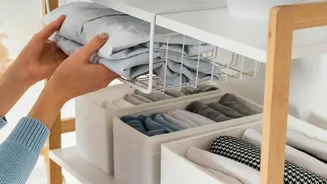
Before you can organise, you must declutter. The goal is to reduce the volume of items you need to store. A simple and effective method is the 'one-in, one-out' rule: for every new item that comes into your home, one similar item must leave. This prevents
the slow accumulation of clutter. Another approach is to regularly sort through your belongings and identify anything you haven't used in the past year. Be honest with yourself about what you truly need versus what you're holding onto 'just in case'. A clutter-free foundation makes any organisational system more effective and easier to maintain. A home with fewer, more intentional items immediately feels more spacious and calming.
Embrace the Power of Vertical Space
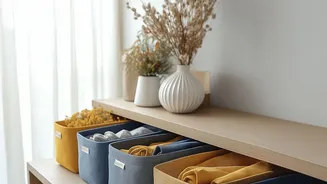
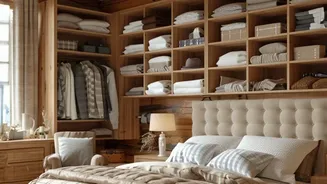
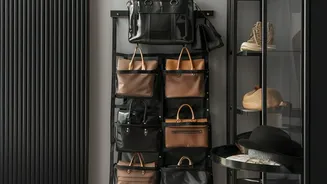
When you can't build out, you must build up. Utilising vertical space is the most effective strategy for small rooms. Instead of letting your walls sit empty, turn them into valuable storage real estate. Floating shelves are perfect for books, decor, and essentials, as they keep the floor clear and create an open, airy feel. Tall, narrow bookshelves or modular shelving units draw the eye upward, making the room feel taller. Don't forget often-ignored areas like the space above doors or below shelves; adding a high shelf can create a surprising amount of storage for lesser-used items. You can also use wall-mounted pegs, hooks, or racks in entryways for bags or in kitchens for utensils to keep surfaces clear.
Invest in Multi-Functional Furniture
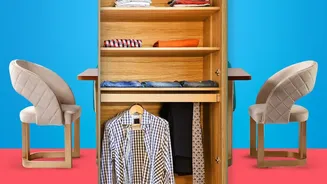
In a small home, every piece of furniture should work hard. Multi-purpose furniture is designed to serve two or more functions, saving valuable floor space. A sofa-cum-bed is a classic example, transforming your living room into a guest room when needed. Ottomans with hidden storage are perfect for stashing away blankets, magazines, or remote controls while providing extra seating. A coffee table with a lift-top can double as a dining surface or a work desk, eliminating the need for separate furniture. In Indian homes where a dedicated dining room is a luxury, a wall-mounted foldable dining table can be a game-changer, folding away neatly when not in use.
Utilise Hidden and Underused Spaces
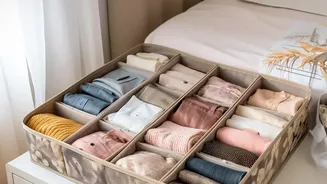
Some of the best storage spots are the ones you can't immediately see. The space under your bed, for instance, is prime real estate. Use rolling bins or vacuum-sealed bags to store seasonal clothing, extra bedding, or luggage out of sight but within easy reach. Many modern beds now come with built-in hydraulic storage, making access even easier. Over-the-door organisers with pockets or hooks are another excellent way to add storage to bedrooms and bathrooms without taking up any floor or wall space. Even the back of a cabinet door can be fitted with small racks for spices or cleaning supplies.
Create Zones for a Tidy Look
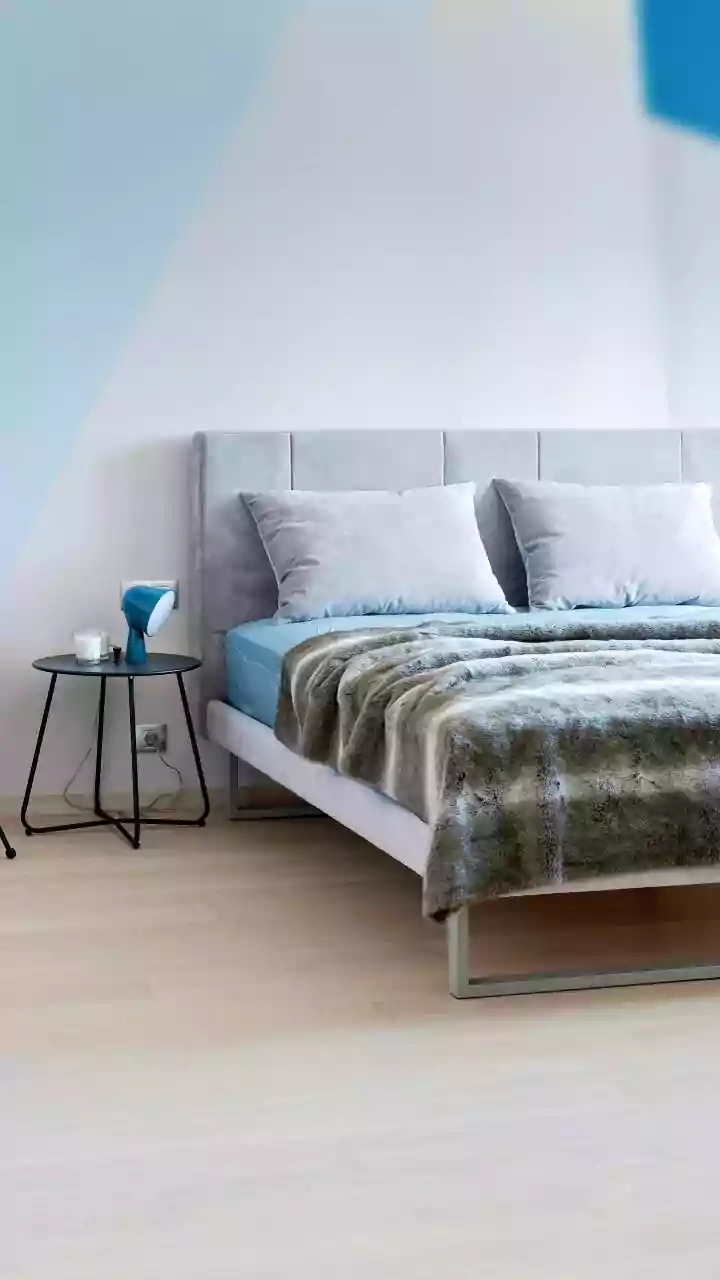
In a studio apartment or a single room that serves multiple purposes, creating distinct 'zones' can bring a sense of order. Use area rugs to visually separate the living area from the sleeping area. A slim console table placed behind a sofa can act as a subtle divider while offering a surface for lamps or decor. Even furniture placement can define a zone; for example, orienting your work desk towards a wall can create a dedicated office nook. Using furniture with light colours and exposed legs, like those found in Scandinavian design, can also make a space feel more open and less visually heavy. This visual organisation helps prevent the entire room from feeling like one cluttered space.