








Start with a Ruthless Audit
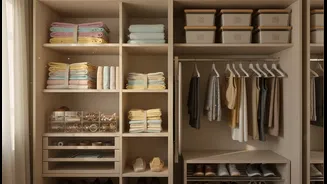
Before you can organize, you must know what you have. The first step is to take everything out of your wardrobe. This sounds daunting, but it’s crucial. Create three piles: Keep, Donate, and Discard. A good rule is the one-year-haven't-used-it principle;
if you haven't worn an item in the last 12 months, it’s time to let it go. Be honest about clothes you bought but don't like—you will likely never wear them, no matter how costly they were. This process isn't just about making space; it's about curating a collection of clothes you truly love and use.
Think Vertically, Not Just Horizontally
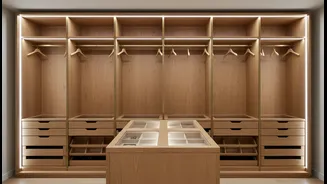
In small Indian apartments, vertical space is often your most underutilized asset. Instead of short, standard wardrobes, consider floor-to-ceiling designs that can add up to 30% more storage. This extra loft space is perfect for stashing away seasonal items like heavy winter blankets, luggage, or festive wear that you only need occasionally. Wall-mounted shelves and hanging organizers can also free up precious floor area, making a room feel larger and less cluttered. This strategy allows you to keep your daily essentials accessible while safely storing items that are not in regular use.
Embrace Modular and Multi-Functional Designs
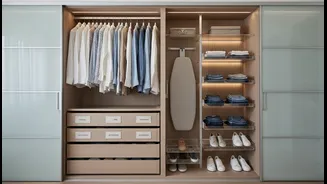
Modular wardrobes are a game-changer for small and rented spaces. These systems are customizable to your exact needs, allowing you to choose the number of drawers, shelves, and hanging sections. For renters, freestanding modular units offer flexibility, as they can be reconfigured or moved to a new home. Another smart choice for tight bedrooms are sliding door wardrobes, which don't require clearance space for doors to swing open. Many designs also incorporate mirrors, which serve a dual purpose by creating an illusion of spaciousness while eliminating the need for a separate dressing table.
Organize for Your Indian Wardrobe
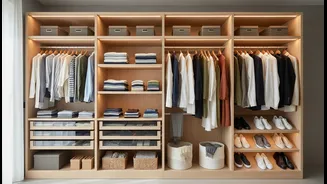
An efficient wardrobe is one that is tailored to your specific clothing. Indian wardrobes often contain a unique mix of garments that require special care. Use saree organizers to stack delicate fabrics without creasing them. For heavy lehengas or wedding outfits, designate a specific, sturdy section. Double-height hanging rods are perfect for longer garments like kurtas and salwar suits, preventing them from bunching at the bottom. Use drawer dividers to neatly separate smaller items like accessories, socks, and innerwear, ensuring you can find what you need without rummaging.
A Plan for Young Families
For young families, the challenge is managing clothes for growing children. A 'capsule wardrobe' approach can be incredibly effective. This involves curating a small collection of about 15-25 versatile pieces for each child that can be easily mixed and matched. Build the wardrobe around a few core colours your child loves, and supplement with neutrals. This not only simplifies morning routines and reduces laundry load but also makes it easier for children to dress themselves. As they grow, you can pass down quality items to younger siblings or donate them, promoting a more conscious approach to consumption.