




Going Beyond the 'Best Before' Date
It’s easy to treat printed dates as gospel, but they aren't always about safety. A 'Best Before' date primarily indicates peak quality and flavour. Food is often perfectly safe to eat after this date, even if the texture or taste is slightly diminished.
On the other hand, a 'Use By' date is a stricter safety warning for highly perishable items like fresh meat and dairy. However, neither date can account for what happens after the package is opened or if it was stored improperly. If a carton of milk is left on the counter, it will spoil long before its 'Use By' date. This is why understanding the full picture is crucial for preventing both food waste and foodborne illness.
Trust Your Sense of Smell
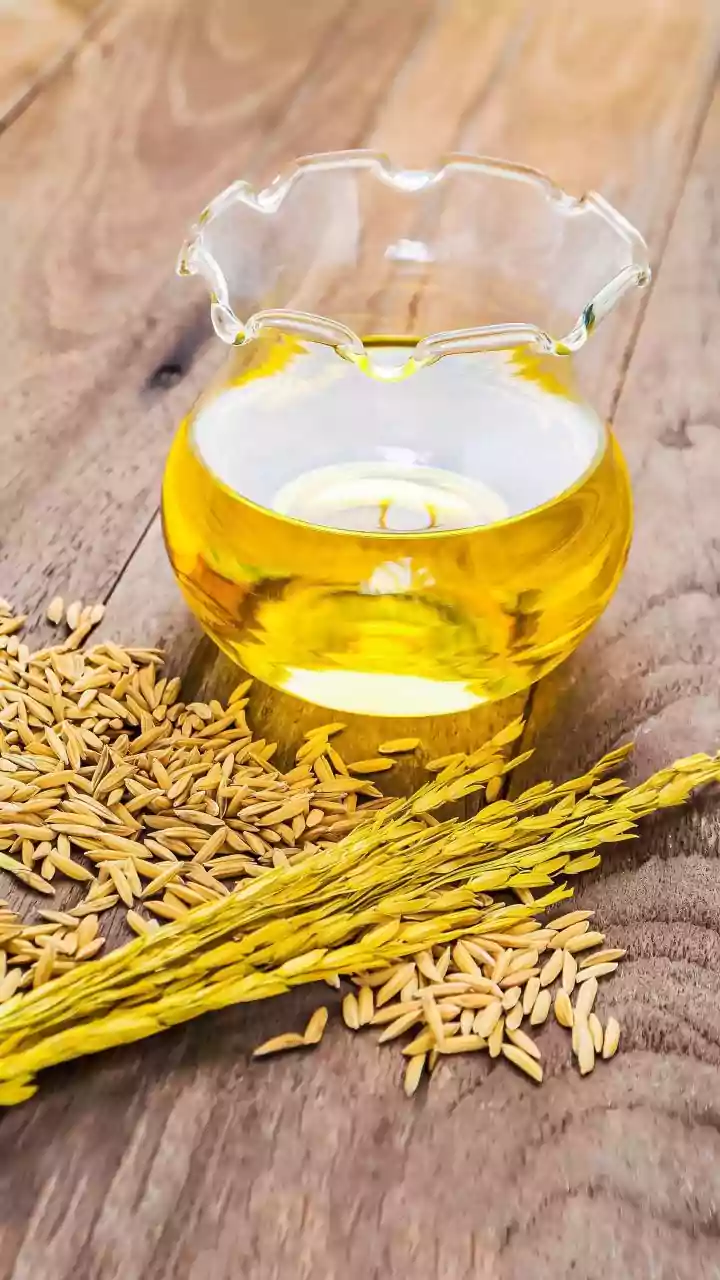
Your nose is a powerful and primary defence against spoiled food. The 'sniff test' is a classic for a reason. Spoilage bacteria produce gases and compounds that have a distinct, unpleasant odour. Fresh meat, poultry, and fish should smell neutral; a sour, foul, or ammonia-like smell is a clear sign to discard it. Dairy products like milk will develop a sour or rancid smell when they turn. Even pantry staples can signal trouble. If your olive oil no longer smells like olives, or spices and herbs have lost their fragrance, they are past their prime. When in doubt, let your nose guide you—if it doesn't smell like something you want to eat, it's best not to.
Look for Changes in Texture and Appearance
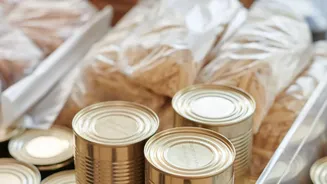
Before you even smell it, your eyes can often spot the first signs of spoilage. Visible mould is the most obvious red flag. For porous foods like bread or soft cheese, mould can spread unseen, so the entire item should be thrown away. For fresh produce, look for wrinkling, shriveling, or soft, mushy spots, which indicate decomposition has begun. With meats, poultry, or even leftover cooked dishes, a slimy or sticky film on the surface is a sure sign that bacteria are multiplying and the food should be discarded. Also, inspect packaging. A dented or bulging can could indicate the presence of dangerous bacteria and should never be used, regardless of the date stamped on it.
Know Its Handling and Storage History
A food item’s safety is only as good as its storage history. This journey, often called the 'cold chain', begins at the grocery store. Perishable items that should be chilled or frozen must be kept at the correct temperature continuously. When shopping, collect these items last and ensure they are stored correctly as soon as you get home. In your own kitchen, proper storage is paramount. Raw meat should always be stored on the bottom shelf of the refrigerator, below cooked foods and vegetables, to prevent juices from dripping and causing cross-contamination. Using the 'First-In, First-Out' (FIFO) principle—placing older items at the front to be used first—helps ensure food is consumed before it has a chance to spoil.
Practice Safe Handling at Home
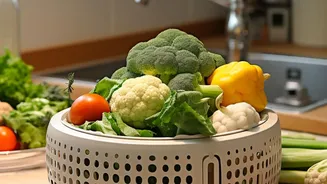
Your kitchen practices can make or break food safety. Cross-contamination is one of the biggest risks. This happens when harmful bacteria are transferred from one food or surface to another. To prevent this, always use separate cutting boards, knives, and utensils for raw meat and fresh produce. Personal hygiene is just as critical. The Food Safety and Standards Authority of India (FSSAI) emphasizes frequent handwashing with soap and water, especially before handling food and after touching raw meat. Furthermore, vegetables and fruits should be thoroughly washed under running water before being cut or eaten. These simple but consistent habits form a vital barrier against contamination and foodborne illnesses.