








Why This Deeper Clean Matters
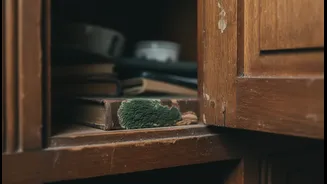
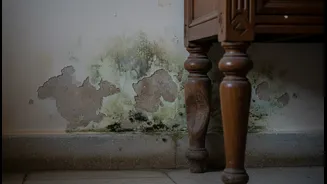
During the monsoon, the air becomes heavy with moisture. While refreshing, this high humidity creates the perfect breeding ground for mould, mildew, dust mites, and bacteria inside our homes. These allergens can thrive in overlooked corners, triggering
allergies, worsening asthma, and contributing to other respiratory issues. Simply mopping floors isn't enough when the air itself is compromised. A thorough pre-monsoon or mid-monsoon deep clean of specific, often-neglected areas directly combats these health risks. By tackling the spots where dust and dampness collect, you’re not just tidying up; you're actively improving your indoor air quality and creating a healthier environment for your family throughout the rainy season.
Target Your Ceiling Fans First
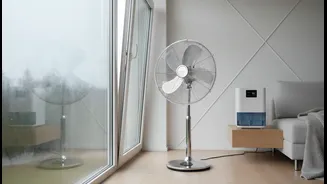
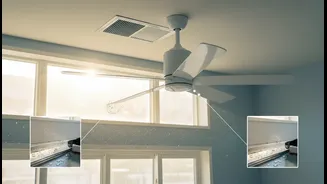
Ceiling fans are essential for air circulation, but when they are coated in dust, they do more harm than good. Each time you switch one on, it showers the room with a fine layer of dust, pollen, and other trapped allergens. Cleaning them is a vital step for healthier air. The easiest and cleanest way to do this is the pillowcase method. Simply slip an old pillowcase over a blade and pull it back slowly; the dust falls inside the case instead of all over your room. For any sticky grime that dusters can't handle, especially in kitchens, use a microfibre cloth lightly dampened with a solution of mild soap and water. Always make sure the fan’s power is switched off at the source before you begin cleaning to ensure safety.
Clear Out Vents and Filters
Ventilation is your home's respiratory system, and during the monsoon, it needs to be clear. This includes kitchen chimneys, bathroom exhaust fans, and air conditioner filters. Kitchen exhaust vents trap grease and moisture, which can become a fire hazard and a substrate for mould. Similarly, bathroom vents are designed to pull damp air out, but when clogged with dust, they trap humidity inside, encouraging mould growth on ceilings and walls. Cleaning these vents improves airflow and reduces dampness. Don't forget your AC filters. A dirty filter will struggle to dehumidify the air and will circulate dust and spores throughout the room. Regular cleaning of these vents and filters not only promotes cleaner air but also improves the efficiency of your appliances, which can help manage electricity bills.
Unclog Your Window Tracks
Window tracks are one of the most forgotten spots in home cleaning, yet they are a frontline defence against the monsoon. Throughout the year, these channels collect an unpleasant mix of dust, dirt, dead insects, and pollen. When the rains begin, this debris turns into a stubborn sludge that can clog the 'weep holes'—small holes designed to drain rainwater out. When these are blocked, water can pool and seep into your walls and floors, causing potential damage. Furthermore, the damp, grimy environment is an open invitation for mould and pests. To clean them effectively, first vacuum out all the loose debris. Then, sprinkle some baking soda into the track and spray it with a solution of white vinegar and water. Let it fizz for a few minutes before scrubbing the grime away with an old toothbrush. Wipe clean with a cloth, and your windows will be ready to keep the rain out properly.