




The Double-Edged Sword of Natural Beauty
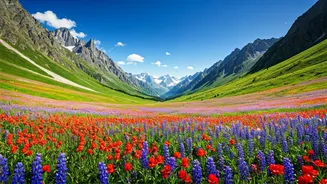
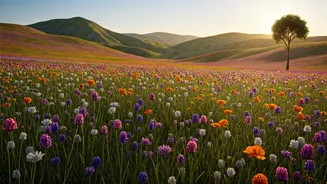
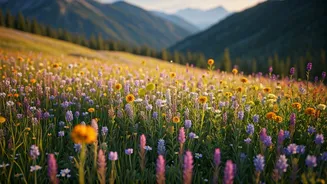
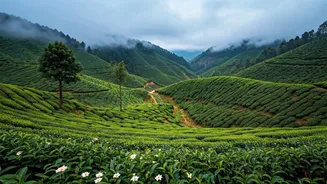
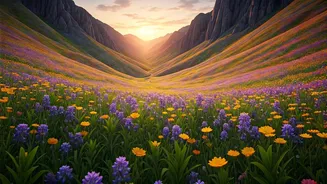
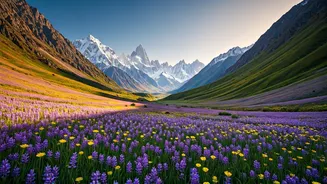
Destinations like Uttarakhand’s Valley of Flowers and Maharashtra’s Kaas Plateau are victims of their own success. Thanks to their stunning beauty, amplified by social media, these ecologically sensitive areas see a massive influx of tourists during the short
blooming season. This surge in visitors puts immense pressure on local infrastructure, from narrow mountain roads to limited accommodation and parking. Without proper planning, tourists can spend more time stuck in their vehicles than enjoying the views. Authorities are increasingly implementing measures like visitor caps and mandatory online permits to manage the flow, making last-minute trips nearly impossible. For these popular spots, spontaneity is no longer a viable option; careful, advance planning is the only way to ensure a positive experience.
Case Study 1: The Himalayan Trek
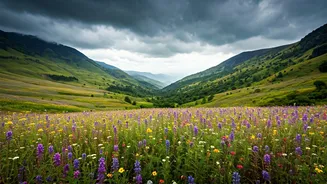
The Valley of Flowers in Uttarakhand is a UNESCO World Heritage Site that comes alive between July and August. However, reaching it is a multi-day endeavour. The journey typically starts with a long road trip to Govindghat, a town that serves as the starting point for the trek. During peak season, this road can be prone to delays due to pilgrim traffic and monsoon-related disruptions. From Govindghat, visitors must trek to the small village of Ghangaria, which acts as the base camp. All accommodation in Ghangaria is basic and gets booked out months in advance. The final trek into the valley itself is regulated, and awareness of the trail conditions, opening times, and permit requirements is crucial. Simply arriving in Govindghat with the hope of seeing the flowers the next day is a recipe for disappointment.
Case Study 2: The Accessible Plateau
Compared to the Himalayan trek, the Kaas Plateau in Maharashtra is far more accessible, located just a few hours' drive from Pune. This accessibility, however, makes it a hotbed for traffic congestion. To protect its fragile ecosystem, authorities have implemented a strict management system. Visitor numbers are capped daily, often at around 3,000 people, and online ticket booking is mandatory, especially for weekend visits. Private vehicles are typically not allowed directly onto the plateau; visitors must park in designated areas and use official shuttle buses to reach the flower-filled meadows. The bloom, which usually peaks in September, is highly dependent on monsoon patterns, meaning the ideal time to visit can shift. Following official announcements from the local forest department or tourism board is essential before finalising any travel plans.
Your Route Planning Checklist
To make your peak bloom trip memorable for the right reasons, meticulous route and schedule awareness is key. First, confirm the peak blooming window for your chosen destination, as it varies yearly based on weather. Check for any required permits, online registrations, or entry tickets and book them as soon as they become available. Research your route thoroughly, looking for information on road closures, common bottlenecks, or one-way traffic systems implemented during the tourist season. Opting for a weekday visit instead of a weekend can dramatically reduce crowds. Booking accommodation and any necessary transport, like local taxis or porters, well in advance is non-negotiable. Finally, have a backup plan. Sometimes, smaller, lesser-known valleys nearby offer a similar floral spectacle without the overwhelming crowds found at the main sites.
The Ultimate Example: Neelakurinji
For a lesson in extreme peak bloom planning, look no further than the Neelakurinji flowers in Munnar, Kerala. This unique shrub blooms only once every 12 years, covering the hills in a surreal blue-purple carpet. The last bloom in 2018 saw a massive influx of tourists, forcing authorities to implement a robust management plan, including a cap on visitors to the primary viewing spot at Eravikulam National Park and a system where most tickets were sold online. The next major bloom is anticipated around 2030, and it serves as the ultimate reminder that for these rare natural events, planning isn't just a good idea—it is the entire trip.