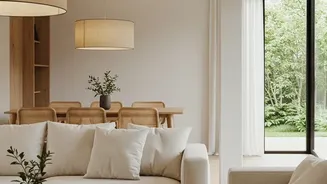

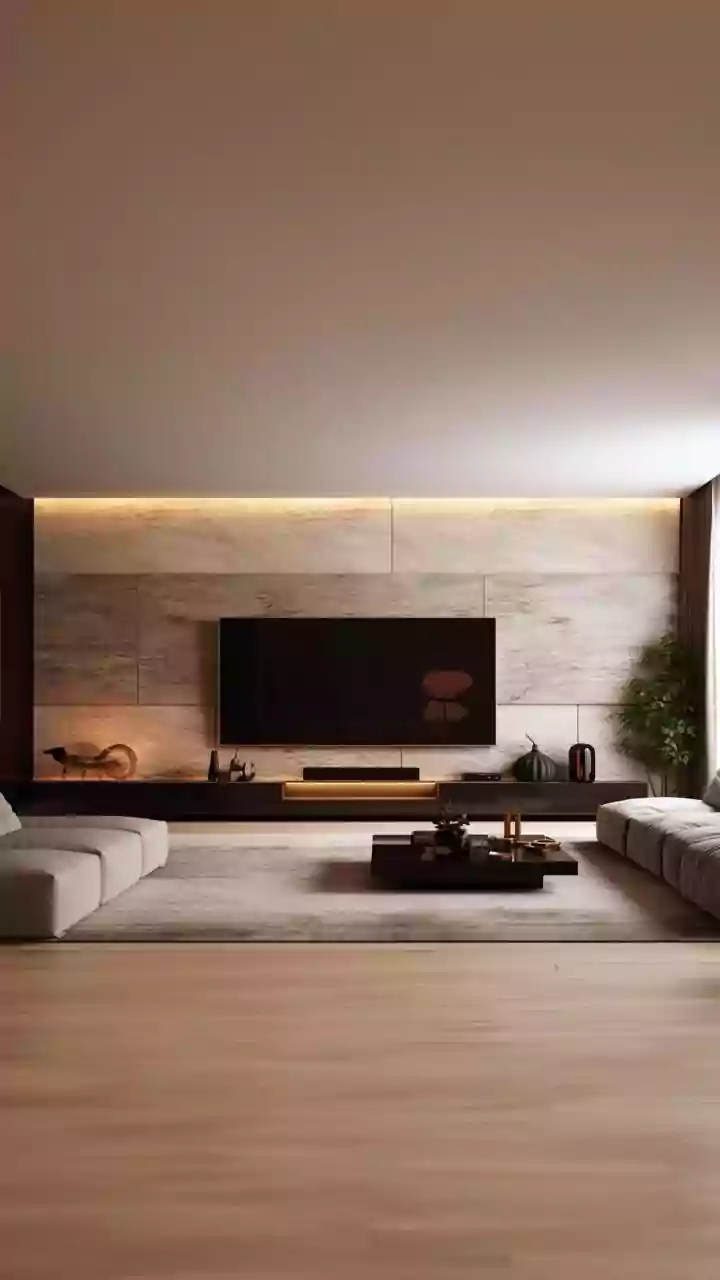



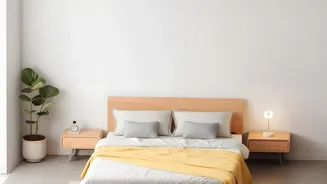
Creating an airy, light-filled room with a neutral palette is about more than just painting the walls white. A truly sophisticated neutral space feels layered, warm, and intentional. Here are five ideas to get a rich, designer look.
Layer Tones and Textures
The biggest mistake
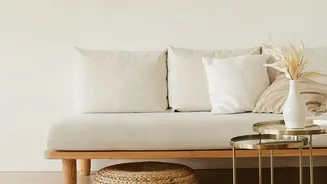
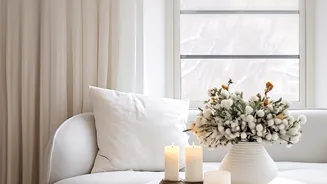
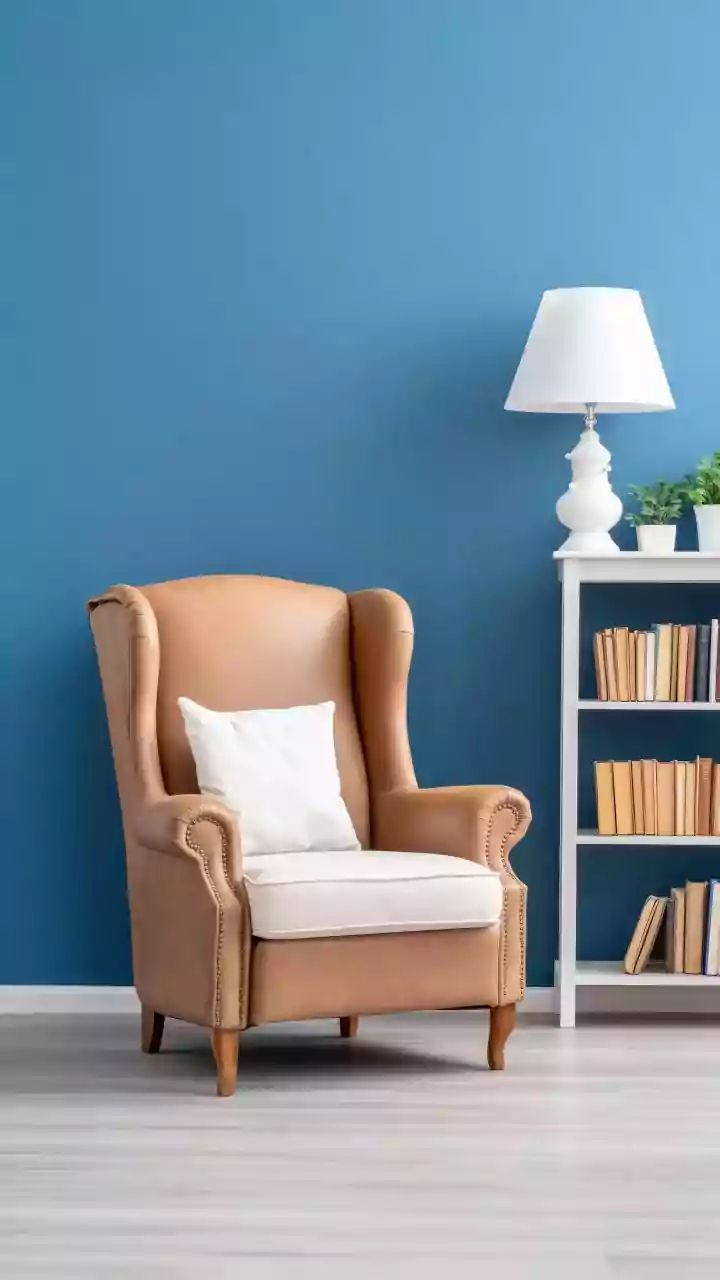
in a neutral room is keeping everything in the same shade and finish, which can make a space feel flat. The secret to adding depth is layering a variety of tones and textures. Think beyond a single beige or grey and combine a range of soft hues like ivory, cream, taupe, and mushroom. Once you have your palette, introduce different materials to create visual interest. Pair soft, cosy fabrics like bouclé, linen, and wool with harder surfaces. A chunky knit throw on a smooth leather chair, a jute rug under a sleek coffee table, or linen curtains framing a window all add a tactile richness that prevents the room from feeling one-dimensional and boring.
Embrace Natural Materials
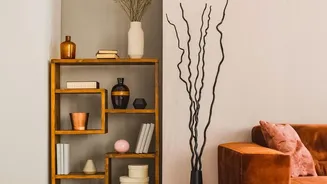
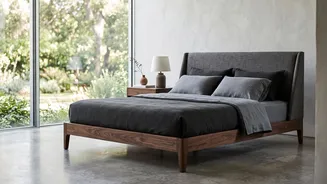
To prevent a neutral room from feeling cold or sterile, lean into the warmth of natural materials. Elements like wood, stone, rattan, and clay ground a space and connect it to the outdoors, creating a serene and organic atmosphere. Incorporating different wood tones in furniture and decor is a great way to add character; a mix of light oak, warm walnut, or even darker woods can coexist beautifully. Don’t stop at furniture. Woven baskets, ceramic vases, stone accessories, and even oversized branches in a vase introduce imperfect, natural shapes that soften the clean lines of a room and add a lived-in, welcoming feel.
Maximise and Manipulate Light
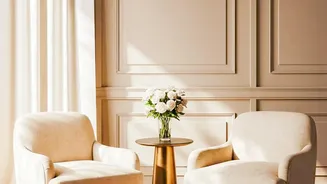
An airy room relies heavily on light. Maximise the natural light you have by keeping window treatments minimal. Opt for sheer or light-filtering curtains in linen or cotton that allow sunlight to stream in while maintaining privacy. Strategically placed mirrors are a classic designer trick for a reason; hanging a large mirror opposite a window will bounce light around the room, instantly making it feel brighter and larger. Beyond natural light, consider reflective finishes. A lacquered ceiling, a glass coffee table, or metallic accents like brass or chrome in light fixtures and hardware will catch and reflect both daylight and artificial light, adding a subtle shimmer and sense of spaciousness.
Play with Shape and Form
When your colour palette is restrained, the shapes of your furniture and decor become much more significant. Create visual interest by mixing different silhouettes. For example, you can balance the clean, straight lines of a modern sofa with a round coffee table or a curved armchair. This play between geometric and organic forms creates a dynamic tension that draws the eye. Pay attention to the scale of your pieces as well. Varying the heights of lamps, plants, and art prevents the room from feeling uniform. A tall floor lamp next to a low-slung chair, for instance, creates a more interesting visual journey.
Add Strategic Contrast
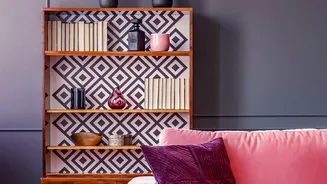
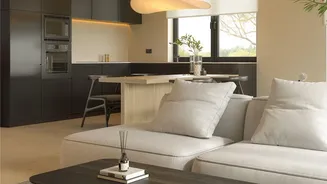
An airy, neutral room doesn't have to be devoid of contrast. In fact, a small dose of a dark colour can make the surrounding neutrals feel brighter and more intentional. The key is to use it sparingly. A touch of black or charcoal grey can act as a grounding element that gives the room structure. Introduce this contrast through smaller details like black picture frames, dark metal furniture legs, a single piece of dark-toned artwork, or patterned cushions. This hint of darkness creates depth and sophistication, preventing the soft, light palette from feeling washed out and giving the eye a place to rest.