


1. Amla (Indian Gooseberry)
This small, tangy fruit is one of the most potent natural sources of Vitamin C, a crucial antioxidant for boosting immunity during the cold season. While amla pickle and murabba are timeless, you can give it a modern twist. Start your day with a quick
amla shot by blending one deseeded amla with ginger and water. You can also grate it into a refreshing kachumber salad or make a sweet-and-sour chutney that pairs well with everything from parathas to sandwiches. These methods preserve more of its raw nutritional power.
2. Sarson (Mustard Greens)
Sarson ka saag is the undisputed king of winter meals in North India. But these pungent, peppery leaves are more versatile than you think. To upgrade the classic, try blending in other greens like spinach and bathua for a more complex flavour and nutritional profile. For a quicker, lighter meal, finely chop the leaves and add them to your dal tadka in the last few minutes of cooking. You can even create a fusion pesto by blending sarson with garlic, walnuts, and a bit of olive oil to toss with pasta or spread on toast.
3. Shakarkandi (Sweet Potato)
Often found at street-side stalls, roasted shakarkandi with a sprinkle of chaat masala is a beloved winter snack. At home, you can easily elevate this humble root vegetable. Cut it into wedges, toss with olive oil and your favourite spices, and bake until crispy for healthy sweet potato fries. Mashed sweet potato, seasoned with a pinch of cinnamon and black salt, makes for a delicious and unusual side dish. You can also add boiled and cubed shakarkandi to your salads for a touch of sweetness and a healthy dose of fibre and vitamins.
4. Kacchi Haldi (Fresh Turmeric)
Winter brings with it the fresh, vibrant rhizomes of raw turmeric. Its active compound, curcumin, is a powerful anti-inflammatory agent. The easiest way to consume it is in 'golden milk' or haldi doodh, made by simmering grated fresh turmeric with milk and black pepper. Grate a small amount into your everyday sabzis, dals, or soups for a fresh, earthy aroma and a health boost. You can also make a quick pickle with julienned fresh turmeric, ginger, and lemon juice, which acts as a great digestive aid.
5. Bajra (Pearl Millet)
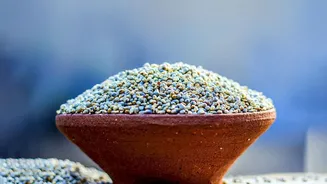
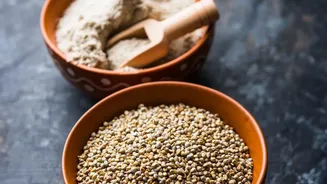
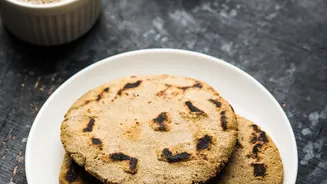
This warming millet is a winter staple in many parts of India, traditionally used to make rotis. To upgrade it for a modern palate, try making a savoury bajra porridge or khichdi with plenty of vegetables and a dollop of ghee. Bajra flour can also be used to make fluffy pancakes or crepes, offering a gluten-free alternative to wheat. For a textural twist in salads, use cooked and cooled whole bajra grains as a base, similar to how you would use quinoa or couscous. It's packed with iron, protein, and fibre.
6. Gondh (Edible Gum)
Gondh is a natural resin that is deeply warming and known for strengthening bones and providing energy. It's most famously used to make gondh ke ladoo. If making ladoos feels like too much work, you can still reap the benefits. Fry a small amount of gondh in ghee until it puffs up, then crush it and sprinkle it over your morning porridge or dal. It adds a unique, delightful crunch. This simple trick gives you that dose of winter warmth without the extensive prep work of traditional sweets.
7. Singhara (Water Chestnut)
Fresh water chestnuts appear in markets during the winter, offering a unique crunchy and sweet bite. While they are great to snack on raw, they can also add fantastic texture to cooked meals. Peel and slice them to add a refreshing crunch to salads and noodle dishes. In vegetable stir-fries, they absorb flavours while remaining crisp, providing a contrast to softer vegetables. Using singhara atta (water chestnut flour) to make cheelas or as a thickening agent for soups is another great way to incorporate this nutrient-rich food.