








The Burnout from Diet Culture
Remember the era of crash diets? A friend would lose an impressive amount of weight on a plan that involved little more than boiled chicken and misery, only to regain it months later. From keto to paleo to extreme intermittent fasting, 'dieting' has long
been synonymous with restriction. These regimens often work by creating a calorie deficit through the elimination of entire food groups. While sometimes effective for short-term goals, they are famously difficult to sustain. The mental load of tracking every morsel, fighting cravings for 'forbidden' foods, and the guilt associated with any deviation can lead to what is now widely known as diet burnout. This cycle of restriction and rebound has left many people in India and across the world searching for a more sustainable, joyful, and less punishing way to eat well.
Enter Seasonal Eating: Nature’s Diet Plan
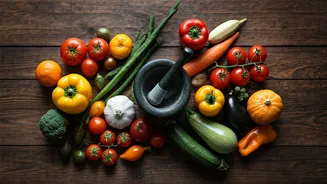
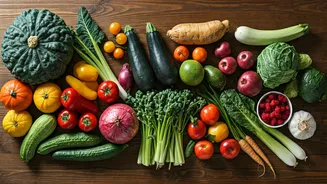
Seasonal eating isn’t a 'diet' in the traditional sense. It has no complex rules, no banned foods, and no calorie-tracking apps. The guiding principle is simple: eat foods that are naturally in season in your local region. This means enjoying juicy mangoes and watery melons in the peak of summer, crisp apples and pumpkins as the weather cools, and hearty root vegetables and leafy greens like sarson ka saag through the winter. It’s a philosophy that encourages you to tune into nature’s rhythm. Instead of following a rigid, one-size-fits-all plan, you adapt your plate to what the earth is offering. It’s a shift from control and restriction to harmony and abundance.
The Triple Win: Nutrition, Flavour, and Cost
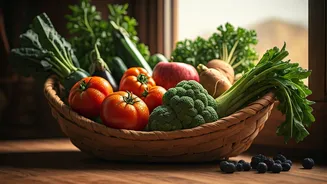
The benefits of aligning your diet with the seasons are compelling. First, there's nutrition. Produce that is picked at its peak ripeness and consumed shortly after harvest contains a higher concentration of vitamins, minerals, and antioxidants. A strawberry grown in a greenhouse in the off-season simply cannot compete with the nutritional punch of a locally grown, sun-ripened berry. Second is flavour. Anyone who has tasted a winter gajar versus an out-of-season one knows the difference. Seasonal food tastes better because it’s at its natural best. Finally, it’s often kinder to your wallet. When a fruit or vegetable is in season, it’s abundant. This surplus drives down prices at your local sabzi mandi. Eating seasonally is not a luxury; it’s often the most economical way to access the freshest, most delicious produce.
Rooted in Ancient Indian Wisdom
While seasonal eating might seem like a modern wellness trend, it is deeply embedded in Indian tradition, particularly in Ayurveda. The ancient science outlines a concept called ‘Ritucharya’, which translates to a seasonal regimen. Ayurvedic principles suggest that our bodies and digestive fires (agni) change with the seasons, and our diet should change accordingly to maintain balance. For example, summer (Grishma Ritu) calls for light, cooling foods like cucumber, coconut, and gourds to pacify the body’s heat. In contrast, winter (Hemant Ritu) encourages the consumption of warming, nourishing foods like ghee, sesame, and root vegetables to build strength and immunity. This ancient wisdom confirms that eating seasonally isn’t a fad; it’s a time-tested practice for living in sync with our environment.
How to Start Eating with the Seasons
Adopting this lifestyle is simpler than you think. Start by observing what’s plentiful and fresh at your local market or with your vegetable vendor. Ask them what’s ‘in season’ right now. Build your meals around these ingredients. If spinach and carrots are abundant, plan to make palak dal and gajar ka halwa. When summer arrives, let mangoes be the star of your smoothies and desserts. This approach fosters creativity in the kitchen and deepens your connection to your food. It replaces the anxiety of a diet plan with the simple joy of discovering and celebrating the best of what each season has to offer.