


Why Rain Can Be a Problem
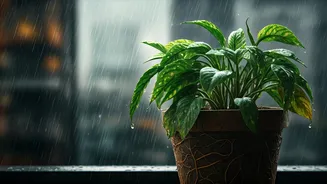
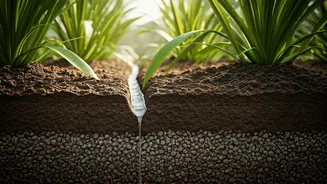
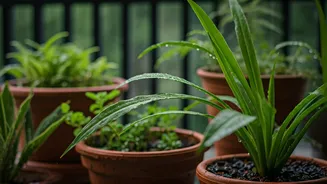
While rain is natural, the conditions in a pot are not. Unlike in the ground, excess water in a container has nowhere to go if drainage is poor. Continuous rain saturates the soil, filling the air pockets that roots need to breathe. This oxygen deprivation,
known as waterlogging, creates a perfect environment for fungi and bacteria to thrive, leading to root rot. The first signs are often misleading: a plant might look wilted even though the soil is wet, because its dying roots can no longer absorb water or nutrients.
Mastering Drainage Is Key
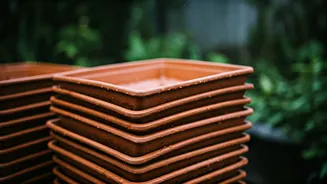
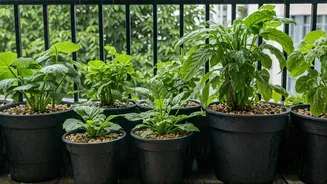
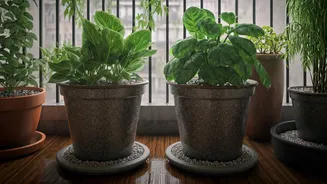
Your first line of defence is excellent drainage. Before the monsoon intensifies, check that every pot has multiple, unblocked drainage holes. If a decorative pot has no holes, use it as a cachepot—place a functional nursery pot inside and be sure to empty any collected water from the outer pot after it rains. A common mistake is to let pots sit flat on the balcony floor, which can seal the drainage holes. Elevate your containers using pot feet, bricks, or small stands. This tiny gap allows excess water to escape freely and improves air circulation underneath the pot.
Choose the Right Soil Mix
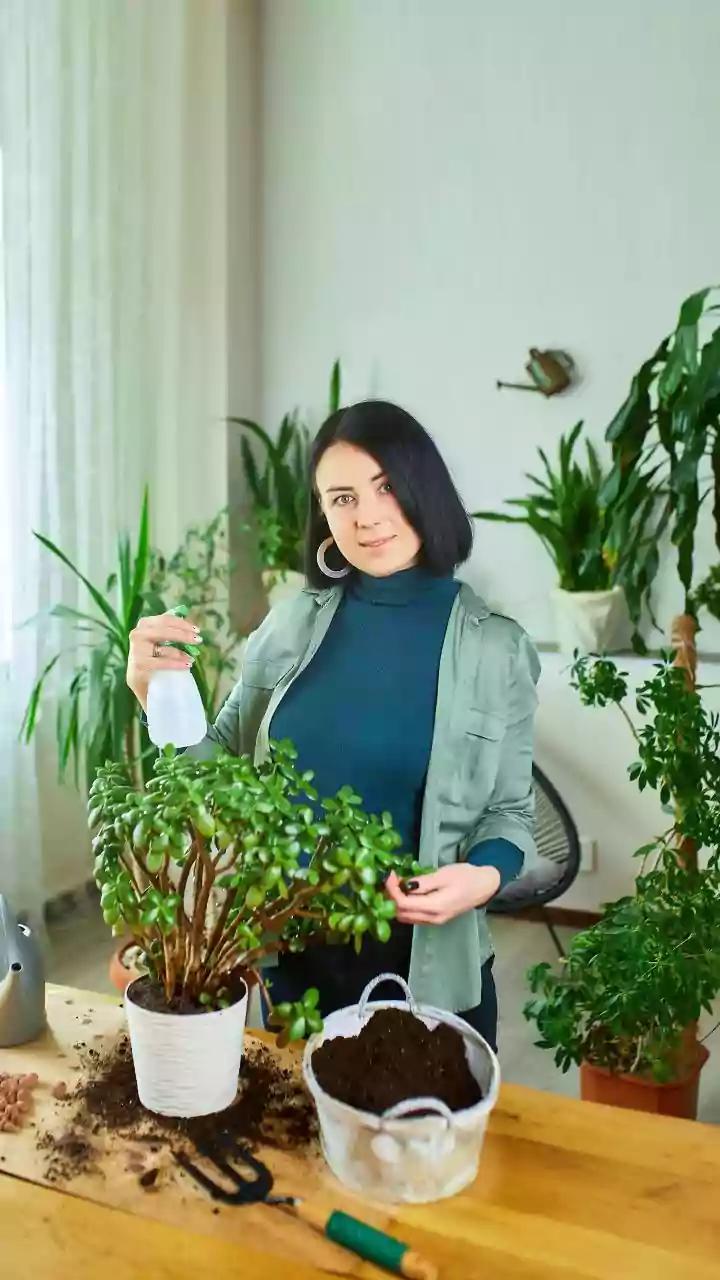
Heavy garden soil becomes a dense, soggy mess in pots during the monsoon. The ideal potting mix for this season is light, airy, and porous. If your current soil feels heavy, consider repotting your plants into a better mix. You can amend your existing soil by adding materials like perlite, pumice, coarse sand, or coco coir. These create air pockets and help water drain through the pot faster, preventing the soil from becoming compacted and waterlogged. Grow bags are also an excellent monsoon alternative as their breathable fabric allows excess moisture to escape from all sides, not just the bottom.
Rethink Your Watering Schedule
The most common mistake gardeners make during the monsoon is watering on their summer schedule. With high humidity, lower temperatures, and frequent rain, soil dries out much more slowly. Forgetting to adjust your watering can be fatal. Abandon any fixed schedule and water only when necessary. The best way to check is the finger test: push your finger a few inches into the soil. If it feels dry at that depth, then it's time to water; if it’s cool and damp, wait. Many plants will get all the water they need from the rain alone.
Provide Strategic Shelter
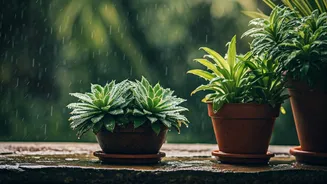
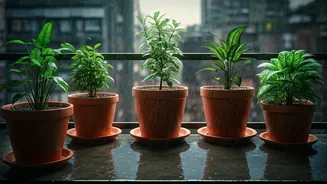
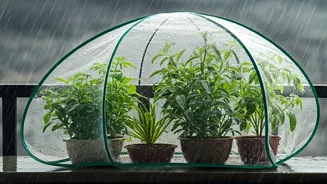
You can't stop the rain, but you can shield your plants from the worst of it. If possible, move more sensitive plants, like succulents or those with delicate foliage, to a covered part of your balcony or just indoors near a window during prolonged downpours. For larger pots that are difficult to move, you can create temporary rain covers using plastic sheets, old curtains, or even an umbrella strategically placed to block the heaviest rain. Even tilting a large, heavy pot for a few hours after a downpour can help excess water drain out.
Watch for Signs of Distress
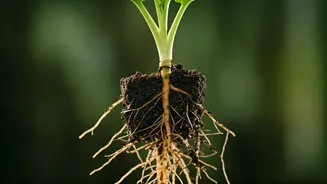
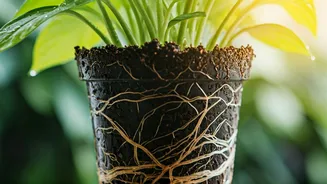
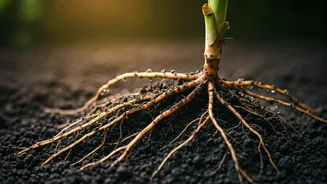
Early detection is crucial for saving a plant from root rot. Be vigilant and inspect your plants regularly. Look for yellowing lower leaves, wilting despite wet soil, and stunted growth. A sour or foul smell from the soil is a classic sign that the roots are decaying in an anaerobic (oxygen-free) environment. You might also see green algae forming on the soil surface, which indicates it's staying wet for too long. If you suspect root rot, you’ll need to act fast. Gently remove the plant from its pot and inspect the roots. Healthy roots are typically white and firm, while rotten roots will be brown, black, and mushy.