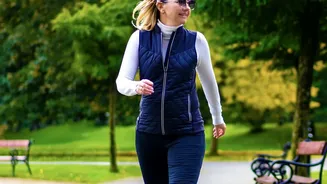







The Science of a Post-Meal Stroll
The most powerful and well-researched benefit of walking after a meal is its effect on blood sugar. When you eat, especially carbohydrates, your body breaks them down into glucose, which enters your bloodstream. This causes your blood sugar to rise. A
walk, even a short one, prompts your muscles to pull glucose from the bloodstream for energy. This process helps flatten the post-meal glucose spike, which is beneficial for everyone, not just those with diabetes. Studies have shown that this simple activity can lower post-meal glucose and insulin levels significantly compared to just sitting. This effect is so notable that some researchers consider it a first-line strategy for managing blood sugar.
How Long and How Soon?
You don't need to commit to a long, strenuous walk to reap the rewards. Research shows that walking for as little as two to five minutes can start to lower blood sugar levels. Many studies focus on walks between 10 and 15 minutes, finding them highly effective. For instance, one study found that three 15-minute walks after meals were more effective at controlling blood sugar over 24 hours than one 45-minute walk. As for timing, moving soon after you finish eating seems to be most effective. While some benefits can be seen within an hour or so, a walk within 15 to 30 minutes of finishing your meal is often cited as ideal for blunting the glucose peak.
Beyond Blood Sugar: A Boost for Digestion
If you often feel bloated or gassy after a meal, a walk might be just what you need. Light physical activity stimulates peristalsis, the wave-like muscle contractions that move food through your digestive system. This can help speed up gastric emptying, which means food spends less time sitting in your stomach. The result is often a reduction in uncomfortable symptoms like bloating, gas, and indigestion. By staying upright and moving gently, you also reduce the likelihood of experiencing acid reflux compared to lying down on the sofa right after dinner.
Introducing 'Activity Snacks'
The principle behind a post-meal walk is part of a broader concept known as 'activity snacks' or 'exercise snacks'. These are short, intermittent bursts of movement designed to break up long periods of sitting. Modern lifestyles often involve hours of sedentary time, which is linked to various health risks. Activity snacks are a practical way to combat this. If a walk isn't possible, you can get similar benefits by doing a few minutes of bodyweight exercises like squats or heel raises, climbing a flight of stairs, or even standing and washing the dishes instead of sitting down. The key is to simply move your body and activate your muscles, which can improve blood pressure, mood, and energy levels in addition to blood sugar.
Making It a Daily Habit
Incorporating this habit into your life doesn't have to be complicated. Start small. After one meal each day, perhaps lunch at work or dinner at home, commit to a five-minute walk. You can walk around the block, pace in your living room, or do a lap around the office floor. The goal is consistency, not intensity. Think of it not as a workout, but as a natural conclusion to your meal. Over time, these small, consistent efforts add up, contributing to better metabolic health, improved digestion, and an easy way to increase your overall daily activity.