





The Customer Is Always Right—and Rarely Carries Cash
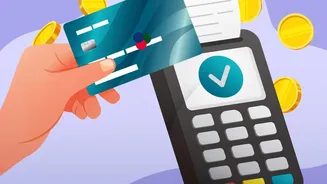
The single biggest driver is you, the customer. Consumer habits have shifted dramatically. A growing majority of Americans, especially younger generations, prefer paying with a card or a mobile wallet. In fact, cash usage for transactions has been steadily
declining for years. For a small business, not offering digital payment options is becoming a competitive disadvantage. If a customer has to walk away to find an ATM, they might not come back. In today's economy, meeting customers where they are means accepting their preferred payment method, and increasingly, that method is digital.
The Technology Got Cheaper and Smarter
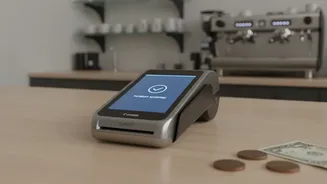
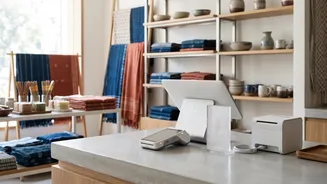
Not long ago, a point-of-sale (POS) system was a clunky, expensive piece of hardware. Today, a business owner can run their entire operation from an iPad with a simple, affordable card reader. Companies like Square, Toast, and others have democratized payment processing, turning a once-prohibitive expense into an accessible tool. These modern POS systems do far more than just take payments; they are all-in-one platforms for managing inventory, tracking sales, and overseeing employees. This shift has lowered the barrier to entry and made sophisticated business management tools available to even the smallest shops.
It’s About Data, Not Just Dollars
Every time a card is swiped or tapped, it creates a data point. For small business owners, this information is gold. Digital payments provide clear insights into what’s selling, when the busiest hours are, and who their repeat customers are. This data allows a local bakery to know exactly when to bake more croissants or a boutique to understand which clothing brand is most popular. Previously, this level of business intelligence was only available to large corporations with deep pockets. Now, a modern POS system provides detailed sales reports that help owners make smarter, data-driven decisions to boost profits and efficiency.
The Hidden Burdens of 'Cash Is King'
The old saying that "cash is king" overlooks its significant downsides. Handling large amounts of physical currency comes with security risks, including theft. It's also labor-intensive; employees spend valuable time counting cash drawers, preparing bank deposits, and physically going to the bank. This is time that could be spent serving customers or improving the business. Digital transactions, on the other hand, are faster, automatically recorded, and less prone to human error, improving overall operational efficiency and providing a clearer financial picture at the end of the day.
The Pandemic Was an Unstoppable Catalyst
While the move toward digital was already underway, the COVID-19 pandemic acted as a massive accelerator. Health and hygiene concerns made both shoppers and employees wary of handling cash, leading to a surge in demand for contactless, touch-free payment options. Retailers quickly adapted to meet these new expectations, upgrading their systems to accommodate tap-to-pay cards and mobile wallets. This period cemented new habits for millions of consumers, who came to appreciate the speed and convenience. Many who tried contactless payments for the first time have continued using them, making it a lasting change in consumer behavior.