





The Ultimate Monsoon Packing List
Packing smart is the first step to a successful monsoon trip. Forget cotton; it absorbs moisture and takes ages to dry. Instead, opt for quick-drying synthetic or blended fabrics for your clothes. A reliable, lightweight rain jacket or poncho is non-negotiable.
Your footwear needs to have excellent grip to handle slippery rocks and muddy trails. Consider water-resistant trekking shoes or sturdy sandals. A crucial, often overlooked item for forest trails is a pair of anti-leech socks. To protect your valuables, use dry bags or zip-lock pouches for all electronics, wallets, and important documents. Also pack a microfibre towel which dries quickly, a basic first-aid kit with antiseptic and antifungal powder, and a potent insect repellent.
Prepping Your Vehicle for the Ghats
If you are planning a road trip, your vehicle needs to be in top condition. Driving in the Ghats during the monsoon is challenging, with risks of low visibility and slippery roads. Before you leave, get your tyres, brakes, and wipers checked. Ensure your tyres have sufficient tread to provide a good grip on wet tarmac. Worn-out wipers can be a major hazard in a downpour, so replace them if needed. Check that all your lights—headlights, tail lights, and indicators—are functioning perfectly. Driving with low-beam headlights on, even during the day, increases your visibility to others. Finally, pack an emergency kit with a tow rope, a first-aid kit, and a puncture repair kit.
Safe Driving on Monsoon Roads
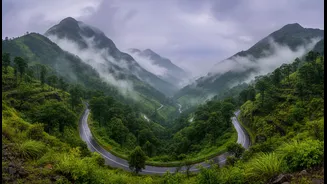
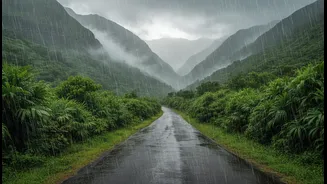
The rules of the road change in the rain. The most important tip is to slow down; braking distances increase significantly on wet surfaces. Maintain at least double the usual distance from the vehicle in front of you. Be wary of aquaplaning, which happens when your tyres lose contact with the road over a puddle of water. Avoid driving through large puddles as you can't be sure of their depth. If you must cross a waterlogged patch, do so slowly in a low gear to prevent your engine from stalling. Driving in the hills at night during monsoon is best avoided due to fog and the risk of unseen obstacles. If visibility drops severely during a heavy downpour, it's safer to pull over to a safe spot and wait for the rain to subside.
Monsoon Destinations and What to Do
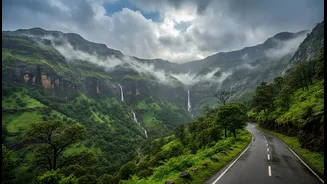
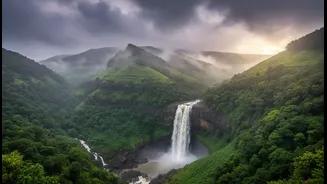
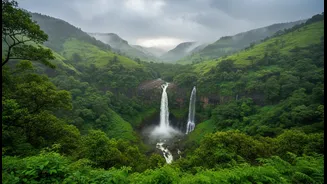
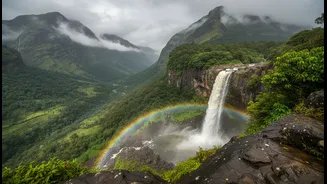
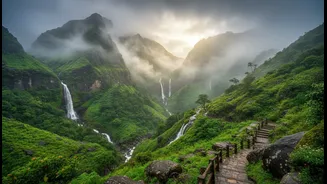
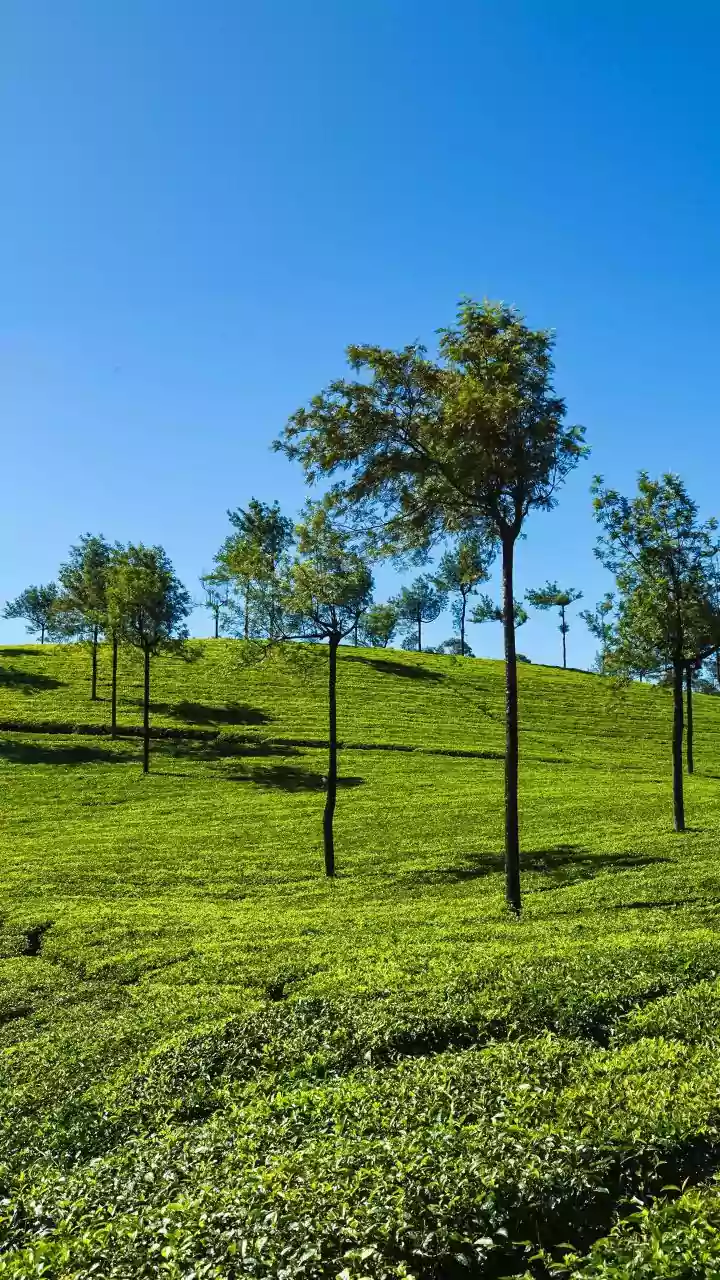
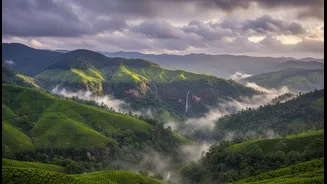
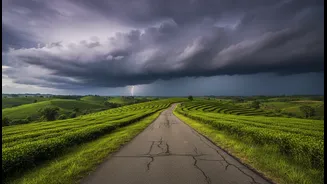
The Western Ghats span several states, offering numerous destinations that are spectacular in the rain. In Maharashtra, places like Mahabaleshwar and Lonavala come alive with gushing waterfalls and misty viewpoints. Karnataka offers the stunning landscapes of Coorg (Kodagu), known for its coffee plantations, and Agumbe, famed for its incredible biodiversity and dense rainforests. In Kerala, Wayanad and Munnar offer enchanting vistas of tea gardens blanketed in mist. Activities like trekking should be undertaken with caution and preferably with a local guide, as trails can be treacherous. Some trails may even be closed for safety. Alternatively, you can enjoy unique experiences like guided frog walks at night in places like Agumbe and Wayanad, which reveal a hidden world of amphibians that emerge during the rains.
Health and Safety in the Wild
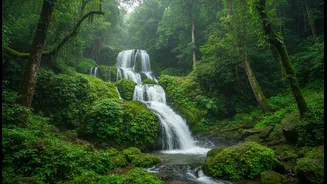
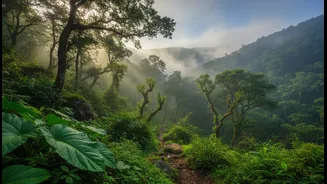
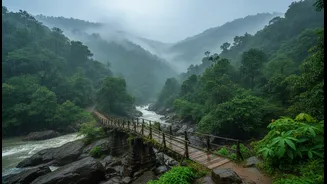
The monsoon landscape, while beautiful, requires a degree of caution. Leeches are common on forest trails, so wear those anti-leech socks and check your shoes and legs periodically. Slippery paths are a major cause of accidents; always watch your step and use a trekking pole for better stability. Staying dry is not just about comfort but also about health, as prolonged exposure to wet and cold conditions can lead to hypothermia. Drink only bottled or purified water to avoid waterborne diseases, which can be more prevalent during this season due to runoff. Also, keep local emergency numbers handy and always inform someone about your itinerary, especially if you're heading to remote areas with poor network connectivity.