






A Coastline Steeped in History
Machilipatnam, also known as Masulipatnam, is no stranger to maritime significance. From as early as the 3rd century B.C., it was a thriving port known to ancient traders as Maisolos. For centuries, it served as a crucial hub for the Satavahana empire
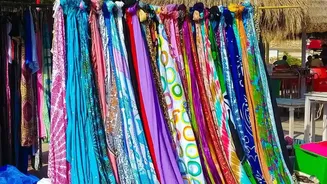
and later became a coveted prize for European powers like the Portuguese, Dutch, British, and French, who vied for control over its lucrative textile trade. The city was famed for its fine Kalamkari fabrics, a craft that still endures today. However, after its peak in the 17th century, the port's prominence declined, and for many years it became what some called a 'dead dock town'. The nearby beach remained a local leisure spot, its historical importance a quiet backdrop to the sound of the waves.
The Dawn of a New Port Era
That historical legacy is now being powerfully resurrected. The Andhra Pradesh government is fast-tracking the construction of a new, deep-water port at Machilipatnam, a project set to redefine the region's economic landscape. This massive undertaking, with a first-phase cost of over ₹5,150 crore, aims to be operational by late 2026. The plan involves constructing an initial four berths, with a vision to expand to 16, ultimately handling over 100 million tons of cargo. This isn't just about building docks; it's about creating a strategic economic asset that will serve both Andhra Pradesh and the neighbouring state of Telangana.
From Quiet Beach to Bustling Gateway
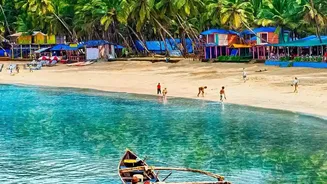
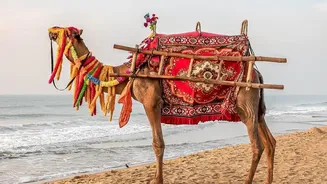
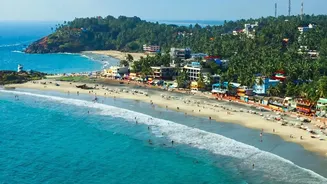
The port's development is having a direct ripple effect on Masula Beach, also known as Manginapudi Beach. The project is a catalyst for widespread infrastructure upgrades, including new national highways and rail lines to ensure seamless connectivity from the port to the hinterland. This improved access, combined with the economic activity generated by the port, is transforming the beach from a simple shoreline into a strategic entry point. It's becoming the welcoming face of a revitalized industrial and logistics hub, poised to attract not just cargo ships but also a new wave of people, commerce, and investment. The government anticipates the creation of thousands of direct and indirect jobs, which will further drive demand and development in the surrounding areas.
A Renewed Focus on Tourism
Recognizing this potential, state and central governments are actively investing in the beach's tourism infrastructure. Machilipatnam is a key part of Andhra Pradesh's new tourism policy, which identifies it as one of five key beach circuits to be developed. Proposals for beachfront development, including funding requests for over ₹120 crore, aim to create a more vibrant and attractive destination. Events like the Masula Beach Festival, featuring water sports, cultural programs, and culinary stalls, are already working to put the beach on a larger map, transforming it into a hub for entertainment and adventure. This initiative is designed to do more than just attract tourists; it’s about positioning the beach as an integral part of the port city's modern identity.
Balancing Progress and Preservation
This rapid development brings both immense opportunity and significant challenges. As Machilipatnam gears up to become a major commercial hub, there's a growing focus on sustainable and responsible growth. Urban development authorities are mapping out master plans to manage the expansion, ensuring that industrial growth is balanced with the preservation of the coastline's natural and cultural heritage. The vision is not just to build a port but to cultivate a thriving coastal economic region where commerce, community, and environment can coexist. The journey ahead involves turning the ambitious blueprints for roads, berths, and resorts into a reality that benefits local communities while establishing Machilipatnam as a key node in India's maritime network.