


The Resurgence of an Ancient Classic
Walk into any chic café, browse a home decor magazine, or scroll through an influencer’s feed, and you’ll notice a common thread: the warm, rustic charm of terracotta. These unglazed, reddish-brown clay pots are no longer just relegated to the garden
nursery. They have firmly planted themselves inside our homes, becoming a symbol of a design ethos that values authenticity, craftsmanship, and a connection to the natural world. In India, this trend feels less like a discovery and more like a homecoming. Terracotta, or 'baked earth', has been a part of our cultural and domestic landscape for millennia, from simple 'matkas' for water to intricate decorative items. Its current popularity in urban homes signals a collective desire to move away from mass-produced plastics and towards materials that feel real, tell a story, and ground our modern spaces.
More Than Just a Pretty Pot
The appeal of terracotta goes far beyond its aesthetic. For plant lovers, these pots are a functional dream. The porous nature of the clay is its superpower. Unlike plastic or glazed ceramic containers, terracotta allows air and moisture to pass through its walls, creating a healthier environment for plant roots. This 'breathing' action helps to prevent the most common cause of houseplant death: root rot from overwatering. Excess water evaporates through the clay, helping the soil dry out evenly. This characteristic makes terracotta particularly suitable for drought-tolerant plants like succulents and cacti, as well as plants that thrive in well-aerated soil, such as snake plants and money plants. The pot itself acts as a natural indicator; you can often see a damp mark on the outside, showing you the water level within the soil.
The Sustainability Angle
As we become more conscious of our environmental footprint, our decorating choices are following suit. This is where terracotta truly shines. It is one of the most eco-friendly options available for planters. Made from natural clay dug from the earth, it is completely free of synthetic materials and harmful chemicals. The production process is relatively low-impact, especially when sourced from local artisans who use traditional kilns. At the end of its life—which can be decades long if cared for—a terracotta pot is fully biodegradable. If it breaks, the shards can be used as 'crocks' in the bottom of other pots to improve drainage or can simply be returned to the earth, where they will break down without leaving a toxic trace. This cyclical, earth-to-earth journey stands in stark contrast to plastic pots, which contribute to landfill waste and microplastic pollution.
A Guide to Styling with Terracotta
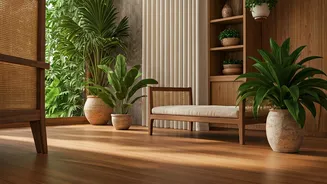
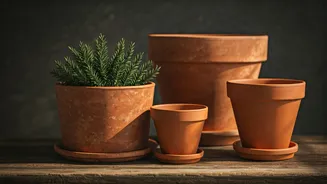
Incorporating terracotta into your home is beautifully simple. The key is to embrace its natural, earthy vibe. Start by grouping pots of various sizes together to create a lush, layered look in a corner of your living room or balcony. Don't be afraid to mix the classic shape with more contemporary, straight-sided or bowl-shaped terracotta planters. The uniform colour provides a cohesive backdrop that makes the green of the foliage pop. For a modern twist, you can find terracotta pots with subtle patterns, white-washed finishes, or even half-dipped paint jobs. These pots are versatile enough for any style—they add warmth to minimalist decor, complement the raw textures of an industrial look, and feel right at home in a bohemian or traditional setting. Pair them with plants of varying heights and textures for maximum visual impact.
The Evolving Patina
Perhaps one of the most beautiful aspects of a terracotta pot is its ability to age gracefully. Over time, as it absorbs water and minerals from the soil, it develops a unique patina—a chalky, white efflorescence and sometimes even a gentle mossy growth. This isn't a flaw; it's a sign of a life well-lived. Each pot tells a story of the plants it has housed and the seasons it has weathered. This ever-evolving character adds a layer of depth and history to your decor that a brand-new plastic pot could never replicate. Embracing this imperfection is part of the charm and a core tenet of styles like Wabi-Sabi, which finds beauty in the transient and incomplete nature of things.