


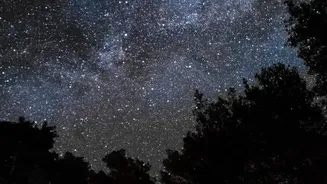

Hanle, Ladakh: India's Dark Sky Sanctuary
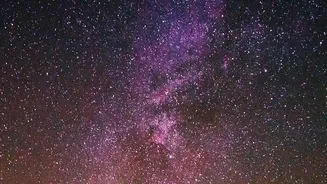
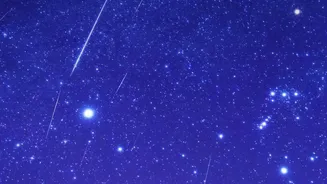
Tucked away in the remote Changthang region, Hanle is a stargazer's paradise. At an altitude of 4,500 metres, it boasts India's first official Dark Sky Reserve, a designation that promises exceptionally clear, dark skies with virtually zero light pollution.
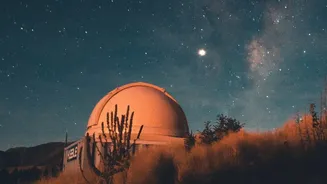
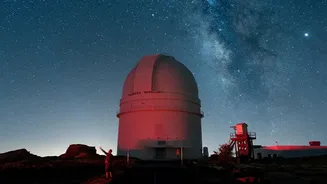
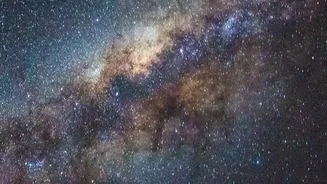
This is why it's home to the Indian Astronomical Observatory. On a clear, moonless night, the Milky Way is so brilliant it can cast a faint shadow on the ground. The air is thin and dry for over 250 nights a year, offering unparalleled conditions for viewing constellations, galaxies, and meteor showers. The best time to visit is from June to September when the weather is more accessible.
Spiti Valley, Himachal Pradesh: A High-Altitude Desert Canvas
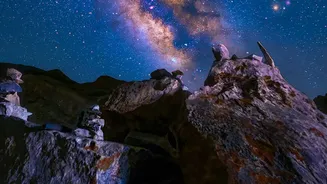
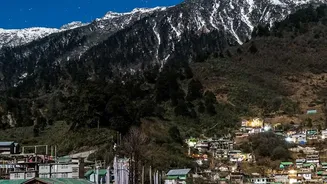
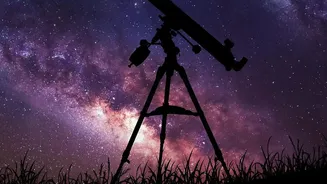
Spiti Valley is a cold desert mountain valley that offers some of the darkest skies in the country. Its high altitude, ranging from 3,000 to over 4,500 metres, and its position in the rain shadow of the Himalayas mean it has minimal atmospheric disturbance and cloud cover. Villages like Kaza, Kibber, and Langza are prime spots for setting up a telescope or simply lying back and taking in the celestial show. The Milky Way's galactic core is clearly visible during the summer months. The ideal time for a visit is between May and October, when the roads are open and the nights, though cold, are manageable.
Pangong Tso, Ladakh: Stars Mirrored on Water
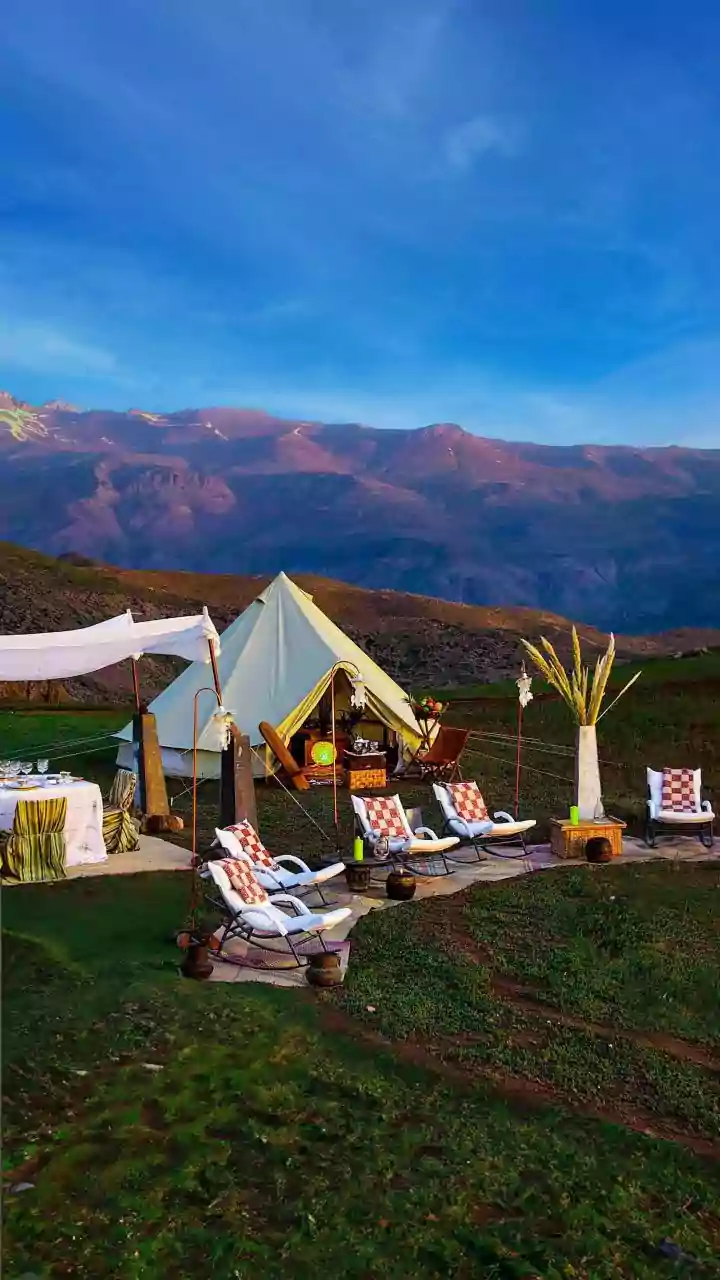
Famous for its stunning blue waters, Pangong Tso transforms into a celestial theatre after sunset. At an elevation of about 4,350 metres, the lake's remote location within the Changthang Wildlife Sanctuary ensures minimal light pollution. What makes this experience truly unique is the reflection of the star-studded sky on the lake's placid surface on a calm night, creating a mesmerising, mirror-like effect. The best months for stargazing here are between June and September, when the skies are clear and the Milky Way is prominent. Many lakeside camps offer guided sessions for visitors.
Rann of Kutch, Gujarat: A Desert of Salt and Stars
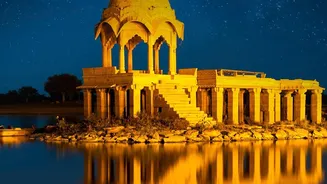
The vast, white salt desert of the Rann of Kutch provides a surreal and unobstructed horizon-to-horizon view of the night sky. Far from major urban centres, the area has very low light pollution, making it one of India's darkest spots. During the winter months, especially from November to February, the dry air offers crystal-clear conditions. The experience is particularly magical during the Rann Utsav festival, where you can combine cultural immersion with cosmic exploration. On a moonless night, the view of the Milky Way over the stark white landscape is truly otherworldly.
Coorg, Karnataka: A Southern Starry Escape
For those in South India, Coorg (Kodagu) offers a more accessible but equally enchanting stargazing experience. Nestled in the Western Ghats, its high altitude and distance from city lights provide clear night skies. The region's coffee plantations and remote homestays, particularly around Madikeri and Tadiandamol Peak, offer excellent vantage points away from any light interference. There is even a dedicated observatory in the area for guided sessions. The best viewing conditions are from October to May, after the monsoon clouds have cleared, revealing a canopy of stars.
Neil Island, Andaman and Nicobar: Coastal Cosmos
Offering a unique coastal perspective, Neil Island (Shaheed Dweep) is a fantastic spot for watching the stars over the ocean. Its remote location and minimal urbanisation mean there is almost no light pollution to obscure the view. The wide-open beaches provide unobstructed horizons, and the sound of the waves adds to the serene atmosphere. Between November and April, the skies are typically clear and dry, making it the ideal season for stargazing. Here, you can witness the celestial ballet while feeling the cool sea breeze, a perfect blend of terrestrial and cosmic beauty.