





What Did the Study Involve?
The research, a randomized controlled trial from Maastricht University Medical Center, focused on a small group of 31 healthy adults with an average age of 67. In this type of study, called a crossover trial, each person acted as their own comparison.
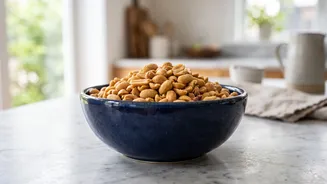
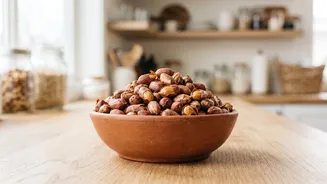
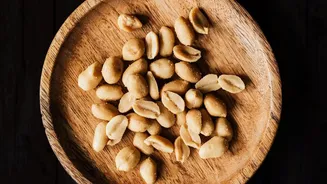
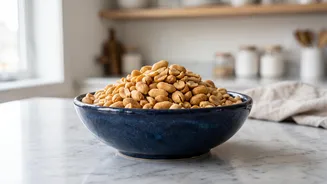
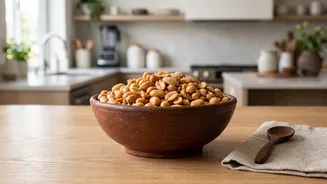
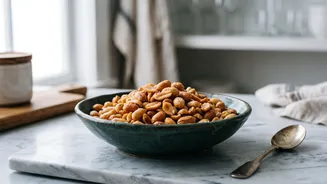
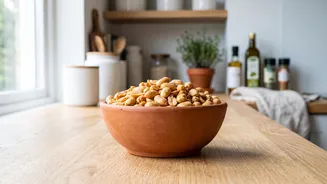
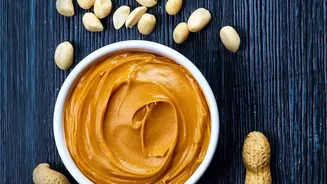
For a period of 16 weeks, they consumed 60 grams of unsalted, skin-roasted peanuts daily. Then, after a break, they had a 16-week control period where they ate no peanuts. This design allowed researchers to precisely measure the effects of the peanut consumption itself. The amount, 60 grams, is equivalent to a generous handful or two. Scientists used advanced brain imaging (MRI) and cognitive tests to measure changes in brain function and memory performance.
The Key Findings on Memory and Blood Flow
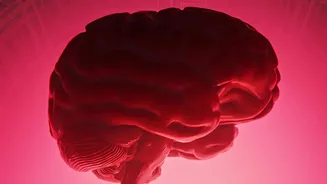
The results were modest but significant. After the 16-week peanut intervention, participants showed a notable improvement in specific areas. Brain imaging revealed that global cerebral blood flow increased by 3.6%, and blood flow to the brain's gray matter rose by 4.5%. This is important because better blood flow means more oxygen and nutrients reach the brain, which is vital for healthy function. On the cognitive side, there was a 5.8% improvement in a verbal memory test. Participants also experienced a drop in both systolic blood pressure and pulse pressure, which are additional cardiovascular benefits.
Why Peanuts? The Power of Bioactive Compounds
Peanuts are more than just a source of protein and healthy fats. They are packed with bioactive compounds, including polyphenols, which are concentrated in their thin, papery skins. Key compounds like resveratrol and p-coumaric acid are believed to have antioxidant and anti-inflammatory properties. The study also explored how peanuts affect the brain's response to insulin. With age, the brain can become less sensitive to insulin, which is crucial for nerve cell communication and memory. The research suggested that daily peanut intake helped improve insulin responsiveness in memory-related regions of the brain, offering another potential mechanism for the cognitive benefits observed.
A Small Piece of a Larger Puzzle
It is crucial to put these findings into context. With only 31 participants, this study is considered small, and its results are a starting point for more research, not a final conclusion. Scientists are careful to note that these findings do not prove peanuts can prevent or reverse cognitive decline or diseases like Alzheimer's. However, the study aligns with a broader body of evidence suggesting that diets rich in nuts and plant-based foods support long-term brain health. Many large observational studies have linked regular nut consumption with better cognitive performance and a lower risk of decline in older adults.
So, Should You Eat More Peanuts?
This study adds a compelling piece of evidence to the idea that what we eat directly impacts our brain health. While it shouldn't be interpreted as a 'miracle cure' for memory loss, it reinforces the value of including nuts like peanuts in a balanced diet. Given their affordability and accessibility in India, they are a practical choice. The research specifically used unsalted, skin-roasted peanuts, suggesting that keeping the skins on may be beneficial due to their high concentration of polyphenols. Ultimately, thinking of peanuts as part of an overall healthy dietary pattern—rich in fruits, vegetables, and whole foods—is the most sensible approach to supporting both your body and your brain as you age.