


Day 1 (Oct 11): Energetic Orange
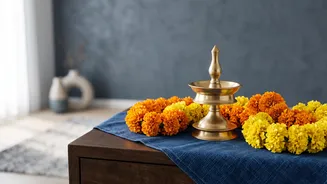
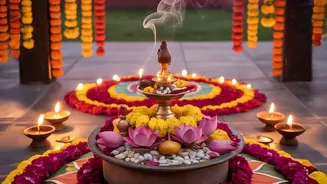
Navratri begins with the vibrant and energetic hue of orange. This colour, associated with warmth and enthusiasm, is perfect for making a welcoming first impression. An easy way to introduce it is by decorating your entrance with marigold flower garlands
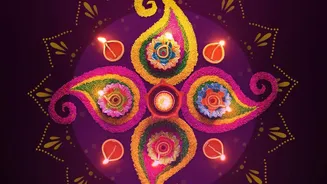
(torans) or arranging them in a brass urli bowl filled with water. A simple orange rangoli or a few orange cushion covers in the living room can instantly set a festive tone.
Day 2 (Oct 12): Serene White
The second day is dedicated to white, a colour symbolising peace, purity, and simplicity. This is a wonderful opportunity to create a calm and serene puja corner. Use white flowers like jasmine or tuberose for garlands and offerings. You can also lay a clean, white cloth for the deities or change your living room curtains to a sheer white fabric to create a soft, tranquil atmosphere.
Day 3 (Oct 13): Bold Red
Red is a powerful colour representing strength, passion, and the fierce energy of the Goddess. Introduce this bold shade through accent pieces in your main living area. Think red cushion covers, a festive table runner, or even a backdrop made from a red dupatta for your home temple. A cluster of red diyas or candles can also add a dramatic and devotional touch.
Day 4 (Oct 14): Regal Royal Blue
On the fourth day, the colour is royal blue, which signifies wisdom, stability, and richness. This is an excellent day to style your coffee or centre table. A royal blue runner, a vase with blue-tinted flowers, or a decorative tray with blue accents can create a sophisticated focal point. Pairing it with silver or brass elements enhances its regal feel.
Day 5 (Oct 15): Cheerful Yellow
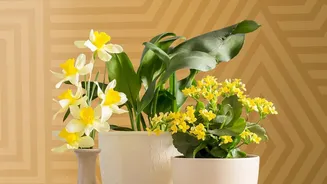
Yellow brings brightness, happiness, and cheer. Infuse this sunny colour into your dining area to make family meals feel even more special. Yellow flowers like sunflowers or marigolds in a centrepiece, yellow placemats, or even serving snacks in traditional brassware can brighten the space. A yellow floral rangoli near the kitchen or dining space is another simple idea.
Day 6 (Oct 16): Natural Green
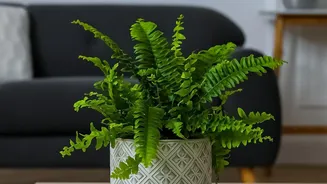
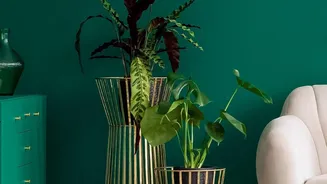
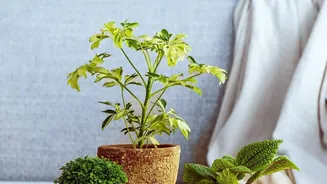
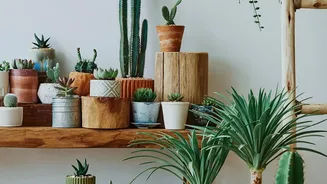
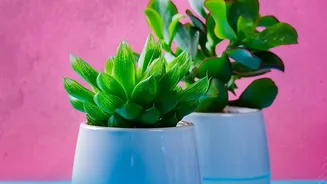
Green represents nature, growth, and new beginnings. An easy way to honour this colour is by bringing nature indoors. Use banana leaves as a base for offerings in the puja area or place potted plants in decorative corners. You can also use green drapes or throws to add a touch of freshness to your living room. A rangoli featuring green hues can also beautifully tie into the theme.
Day 7 (Oct 17): Modern Grey
While not a traditional festive colour, grey symbolises balance and transformation. It offers a chance to create a modern, minimal festive look. Use grey cushion covers or a soft throw on your sofa to balance out the brighter colours from previous days. This neutral shade pairs beautifully with metallics, so consider placing silver diyas or a brass lamp on a grey table runner for an elegant touch.
Day 8 (Oct 18): Luxurious Purple
Purple is associated with luxury, wisdom, and royalty, making it perfect for the auspicious eighth day, or Ashtami. Create an elegant festive corner by draping a purple silk or velvet fabric. Purple cushion covers on a neutral-coloured sofa or a runner on the dining table can make the space feel guest-ready and grand. Combine it with soft lighting for a warm, inviting feel.
Day 9 (Oct 19): Unique Peacock Green
The final day of Navratri concludes with the distinctive and beautiful peacock green. This colour represents individuality and grace. Instead of spreading it everywhere, create one stunning statement corner. A single peacock green vase with fresh flowers, a striking cushion, or a beautiful textile used as a backdrop for your mandir can serve as a memorable final touch to the nine-day celebration.