





Indian consumers are navigating a peculiar economic landscape. While many feel optimistic about their future finances, their current spending habits tell a story of caution. This paradox of feeling hopeful yet acting guarded is the defining trend today.
Decoding Consumer Confidence
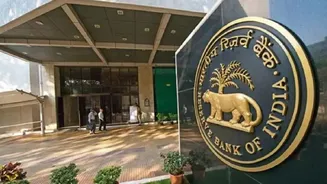
At the heart of this trend are consumer confidence surveys, like those conducted by the Reserve Bank of India (RBI). These act as a report card for the economy from the perspective of households. The RBI's latest surveys for September 2026 paint a dual picture. The Current Situation Index (CSI), which measures how people feel about the economy right now compared to a year ago, has slightly dipped. In urban areas, it sits at 87.9, a marginal decline, while rural sentiment shows a more noticeable weakening. This suggests that households, particularly in rural India, are feeling the pinch of their current financial situation.
The Bright Side: A Hopeful Outlook
Despite the gloom about the present, the outlook for the year ahead remains positive. The RBI's Future Expectations Index (FEI) is still in optimistic territory, even with a slight moderation. This means people generally expect their incomes to improve and are planning their future spending accordingly. Globally, Indian consumer confidence stands out. Recent analyses from September 2026 show India leading major economies with a high consumer confidence score, suggesting a strong underlying belief in the country's economic prospects and personal financial futures. This optimism is a crucial buffer, preventing a more significant downturn in economic activity.
The Reality Check: Why Wallets Remain Shut
The primary reason for this cautious spending is persistent inflation. The headline inflation rate rose to a two-year high of 5.54% in September 2026, driven by broad-based price increases in food, fuel, and other core items. Consumers are feeling this directly in their household budgets, with concerns over rising living costs, healthcare expenses, and job security weighing heavily on their minds. This economic uncertainty is causing a direct pullback in discretionary spending. Consumers are cutting back on non-essential categories like dining out and entertainment, and postponing high-ticket purchases such as vehicles and property.
Impact Across Economic Sectors
This split sentiment creates a challenging environment for businesses. While spending on essential items remains robust, the discretionary sector is feeling the strain. Reports indicate that consumers are becoming more 'value-conscious', looking for deals and carefully considering the total cost of ownership rather than just the initial price. This forces brands to adapt their strategies, focusing on value and disciplined pricing. The demand for premium or high-experience products and services persists, but the broad middle market is where the caution is most apparent. Even as spending on services like travel continues, consumers are becoming more deliberate and value-driven in their choices.
The Big Picture for the Indian Economy
For the broader economy, this dynamic presents both an opportunity and a risk. The underlying optimism provides a solid foundation for future growth. The IMF and RBI have both projected India's economy to grow around 7% for the 2026–27 fiscal year, citing resilient domestic demand. However, this growth is threatened by mounting inflationary pressures. If household incomes do not keep pace with the rising cost of living, the optimism that is currently supporting the economy could begin to fade. Therefore, the key challenge for policymakers is to manage inflation without stifling the growth that fuels future optimism.