

The Ground Beneath Your Feet
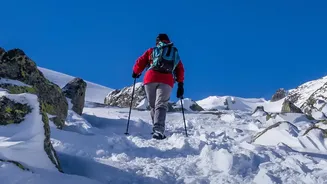
The most obvious difference lies in the surface. Hiking is defined by its unpredictable terrain. Trails feature rocks, roots, mud, and shifting elevations that force your body into a constant state of reaction. Every step requires micro-adjustments as
your feet land on uneven ground, challenging your stability and coordination. This process sharpens your body's ability to sense its position in space, a skill known as proprioception. Your brain gets constant feedback from sensors in your muscles and joints, learning to anticipate and correct for instability almost automatically. Skateboarding, by contrast, typically happens on smoother surfaces like pavement or concrete. The challenge isn't the ground itself, but the moving platform between you and the ground. The board is an inherently unstable surface, and balance must be maintained while in motion, requiring a different kind of focus and control.
Dynamic Motion vs. Reactive Stability
This leads to a key distinction between static and dynamic balance. Static balance is your ability to hold a position, while dynamic balance is maintaining stability while moving. While both activities involve movement, skateboarding is a masterclass in dynamic balance. Riders must constantly shift their weight to steer, perform tricks, and absorb vibrations from the pavement. This requires rapid, fluid adjustments connecting the entire body. Hiking is more about reactive stability. You maintain a relatively stable, upright posture while your lower body reacts to the chaotic trail surface. Your core engages to keep you upright as your legs and ankles manage the unevenness, preventing stumbles and falls. It’s less about flowing with momentum and more about creating a solid foundation on unstable ground.
The Muscles That Keep You Upright
Both activities are fantastic for building a strong core, which is the foundation of all balance. However, they recruit muscles in different ways. Hiking is a powerful workout for the entire lower body, especially the glutes, quads, hamstrings, and calves. It particularly strengthens the smaller stabilizing muscles around the ankles and knees, which are crucial for preventing injury on uneven surfaces. Carrying a pack further engages the core and back muscles to maintain posture. Skateboarding also demands a strong core, but with a greater emphasis on the obliques and lower abs for twisting and turning. It heavily engages the muscles of the feet, ankles, and calves, which are constantly working to steer the board and absorb impact. This develops fine motor control and endurance in the lower legs in a way that hiking does not.
The Mental Game of Not Falling
Balance is as much a mental game as it is a physical one, and both sports require intense focus. A hiker's mind is constantly scanning the trail ahead, assessing potential hazards and planning foot placement a few steps in advance. This develops a mindful awareness of the environment. A skateboarder's focus is more internal and immediate. They must feel the board's movement beneath their feet and react instantly, often without conscious thought. The risk of falling is constant and sudden in skateboarding, which builds incredibly fast reaction times and a unique humility; falling is not just a risk but an expected part of progression. For hikers, the risk is often lower but the consequences of a misstep, especially in remote areas, can be significant.