


The Rise of Astrotourism
Dark-sky tourism, or 'astrotourism', is the practice of travelling to remote, unlit places specifically to experience the natural wonder of the night sky. As urban centres grow brighter, the experience of a truly dark night is becoming a rare luxury.
It is estimated that 80% of people in North America can no longer see the Milky Way from their homes. This has created a new kind of traveller: one who seeks not just scenic landscapes by day, but celestial spectacles by night. This trend goes beyond simple stargazing; it’s about reconnecting with an ancestral experience that has inspired humans for millennia, fostering a deeper appreciation for our planet and its place in the cosmos. In response, a global movement to protect these dark zones is gaining momentum, led by organizations that certify Dark Sky Parks and Sanctuaries.
Why Mountains Are Natural Sanctuaries
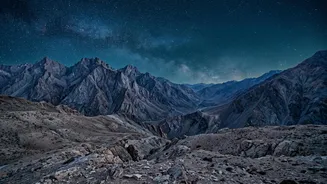
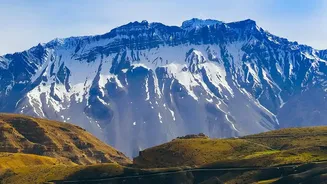
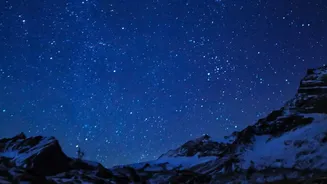
Mountain communities are uniquely positioned to become epicentres for this new form of travel. Their high altitude means thinner, cleaner air, offering exceptionally clear views of stars, planets, and distant galaxies. Furthermore, their remoteness provides a natural buffer from the sprawling light domes of cities. This combination of altitude and isolation makes them some of the last bastions of pristine darkness. Recognizing this, India established its first-ever Dark Sky Reserve in Hanle, Ladakh. Situated at an elevation of 4,500 metres, Hanle is already home to major astronomical observatories and offers some of the best conditions for stargazing in the world, thanks to its dry climate and minimal light pollution.
A Lighter Footprint on the Land
Unlike mass tourism, which often demands large hotels, extensive infrastructure, and significant resource consumption, astrotourism is inherently low-impact. It thrives in places that have remained undeveloped. The primary 'attraction' is the sky itself, which requires no construction, only preservation. This form of tourism encourages conservation, giving communities a powerful economic reason to protect their natural environment from the encroachment of artificial light. By implementing responsible lighting policies—such as shielded fixtures and warm-coloured bulbs—communities can protect nocturnal wildlife, conserve energy, and maintain the very asset that draws visitors in the first place.
Economic Stars Align for Local Communities
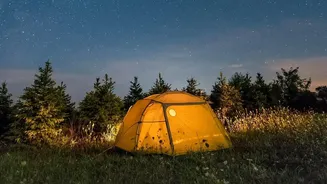
For remote mountain villages, dark-sky tourism offers a path to economic diversification that is both sustainable and empowering. It creates new revenue streams that stay within the community. Initiatives like 'Astrostays' in the Himalayas involve local families running homestays and training villagers, particularly women, to be astronomy guides. This model ensures that tourism revenue directly supports local livelihoods. It also extends the tourist season into colder, clearer months, which are often off-peak for other activities, providing a more stable, year-round income. Because astrotourists must stay overnight to experience the dark sky, they tend to spend more in the local economy compared to day-trippers.
The Indian Context: Looking Up in Ladakh
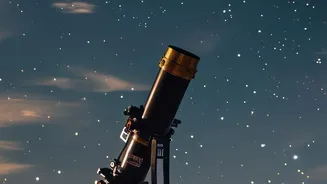
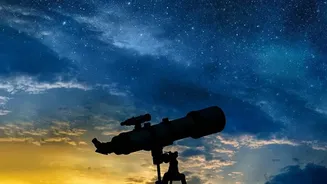
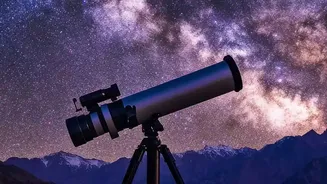
The Hanle Dark Sky Reserve in Ladakh is a prime example of this model in action. A 22-kilometre radius around the Indian Astronomical Observatory is protected, with villagers adopting light-management practices to preserve the darkness. In return, astro-tourism is being actively promoted, with locals trained to guide visitors through the cosmos using telescopes. This project, a collaboration between local councils and scientific institutions, aims to create a science-driven, sustainable development model. It not only boosts the local economy but also fosters a scientific temperament and reinforces a cultural connection to the sky, turning a natural asset into a source of community pride and prosperity.