






More Than Just a Side Dish
In the landscape of an Indian meal, chutney is never an afterthought. It is a critical component that balances flavour, aids digestion, and preserves the essence of a fleeting season. While the world may know mango chutney, kitchens across India have
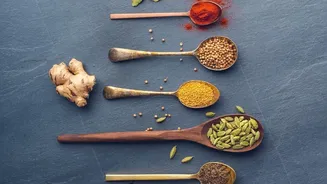
been quietly crafting thousands of variations for centuries. These aren't just flavour enhancers; they are edible archives of a region's agricultural and culinary heritage. From the cooling properties of mint to the digestive fire of ginger, chutneys are designed to complement a meal, making it more delicious and nutritious. They are the storytellers of the plate, speaking of specific places, seasons, and traditions in every spoonful.
The Pulse and Seed Revolution
Some of the most exciting developments in the world of chutney involve ingredients that offer deep, earthy, and nutty flavours. In Maharashtra and South India, Kulith, or horse gram, is a resilient pulse celebrated for its protein content. When roasted and ground with coconut, tamarind, and chillies, it creates a robust chutney that pairs perfectly with bhakri or rice. Similarly, from the Himalayan state of Uttarakhand comes Bhangjeera, or perilla seeds. These tiny grey seeds, richer in omega-3s than flax seeds, are roasted and ground into a creamy, intensely aromatic chutney with garlic, chilli, and lime juice. This Pahadi staple, traditionally eaten with dal and rice, is now finding a global audience curious about its unique flavour and nutritional prowess.
A Fruit Basket of New Tastes
The fruit chutneys of India extend far beyond mango. Take the Wood Apple, or Bael, a fruit with a hard exterior and a pungent, tangy pulp. In various regions, this fruit is transformed into a sweet, sour, and spicy chutney that is both a flavour bomb and a digestive aid. Then there is the Gondhoraj Lebu of Bengal, the 'king of fragrance'. This is no ordinary lime; its intensely perfumed zest and juice are used to elevate everything from lentils to fish. While not always made into a standalone chutney, its essence is being captured by chefs in sauces and condiments, introducing its unique floral-citrus profile to an international palate. Other unique fruits like sour gooseberries (amla) and kokum, a sour purple fruit from the Konkan coast, also form the base of many regional chutneys.
The Funky World of Fermentation
Fermentation, a cornerstone of preservation in India, adds another layer of complexity to its condiments. Long before kombucha became a global trend, Indian households were mastering the art of lacto-fermented pickles and chutneys, known as Achaar. These preparations use salt, spices, and sometimes sunlight to develop deep, complex flavours and probiotic benefits. From spicy fermented green chilli chutneys that can awaken any meal to tangy sun-dried lemon pickles, these condiments are a world away from sugary, vinegar-based preserves. As global interest in gut health and fermented foods grows, these traditional Indian achaars are being recognized for their flavour and their function.
From Local Kitchens to Global Tables
The journey of these lesser-known ingredients from regional Indian kitchens to global menus is being driven by a new generation of chefs, food writers, and entrepreneurs. Many are looking inward, exploring the culinary traditions of their own families and regions to find inspiration. They are documenting forgotten recipes and celebrating ingredients that were once considered humble or old-fashioned. Through social media, boutique online stores, and innovative restaurant menus, they are making these unique chutneys and their core ingredients accessible to a wider audience. This movement is not just about flavour; it's about preserving biodiversity, celebrating cultural heritage, and telling a more complete and authentic story of Indian food.