








What Exactly is Sugarcane Bagasse?
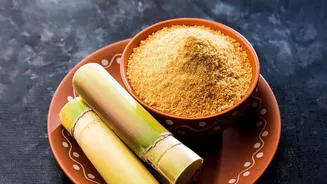
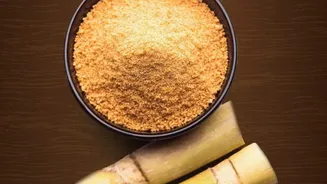
Sugarcane bagasse is the fibrous pulp that remains after juice is extracted from sugarcane stalks. For years, this agricultural residue was either burned for energy in sugar mills or simply discarded. Today, modern technology transforms this 'waste' into
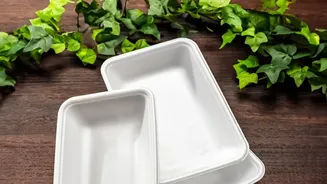
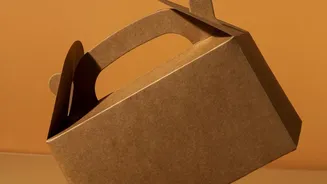
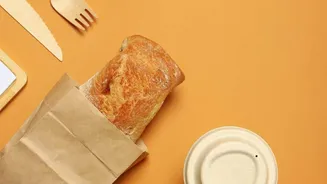
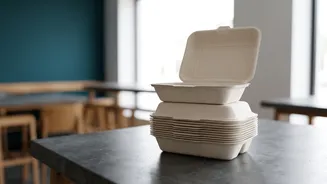
a valuable resource. The pulp is cleaned, mixed with water to form a slurry, and then molded under high heat and pressure into sturdy, lightweight, and eco-friendly food containers, plates, bowls, and clamshell boxes. Because it’s made from a rapidly renewable resource—sugarcane—it presents a sustainable alternative to packaging made from fossil fuels or virgin paper pulp.
The Push Away From Plastic
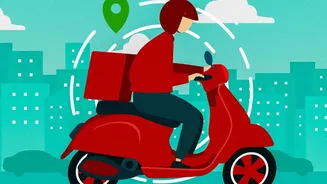
The rise of bagasse is directly linked to a growing environmental consciousness and stricter government regulations. India generates millions of tonnes of plastic waste annually, with a significant portion being single-use plastics from booming e-commerce and food delivery sectors. In response, India implemented a ban on many single-use plastic items, including plates, cups, and cutlery, starting from July 1, 2022. This created an urgent need for viable alternatives. While materials like paper and palm leaves had limitations in terms of cost or consistency, bagasse emerged as a strong contender due to its performance and availability. For restaurants and delivery platforms, switching to sustainable options is no longer just about compliance but also a competitive advantage, as consumers increasingly prefer eco-conscious brands.
More Than Just Eco-Friendly
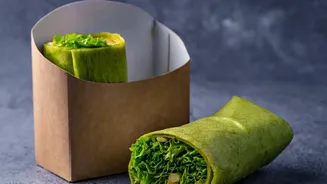
Bagasse packaging offers practical benefits that make it ideal for the food delivery market. It is surprisingly durable, resistant to grease and water, and can handle both hot and cold foods. Unlike some flimsy alternatives, it doesn’t get soggy easily, ensuring that your meal arrives intact. It is also microwave and freezer-safe, adding a layer of convenience for the end consumer. From an environmental standpoint, its advantages are clear. Bagasse products are biodegradable and compostable, breaking down in industrial facilities in as little as 30 to 90 days. This process turns waste into nutrient-rich soil, creating a circular system that drastically reduces landfill burden and plastic pollution.
Is It Really 'Taking Over'?
While the headline's claim of a 'takeover' is strong, the momentum is undeniable. India is the world's second-largest producer of sugarcane, which provides a massive domestic advantage in raw material supply. The Indian sugarcane-based packaging market was valued at USD 39.1 million in 2024 and is projected to grow at a compound annual growth rate of over 10% through 2030. However, it's important to maintain perspective. Bioplastics and compostables still represent a tiny fraction—less than 1%—of the total global plastics market. So, while bagasse is not yet dethroning plastic entirely, it is capturing a significant and rapidly expanding share of the single-use packaging space, especially in the food sector.
Challenges on the Road to Dominance
Despite its potential, the path to market dominance for bagasse is not without hurdles. The primary challenge has been cost. Bagasse products are typically more expensive than their plastic counterparts, a significant factor for small businesses and street food vendors operating on thin margins. While the price gap is narrowing due to increased production and fluctuating oil prices affecting plastic costs, it remains a barrier. Another significant issue is infrastructure. For bagasse to be truly effective, it needs to be composted properly. India currently has a limited number of industrial composting facilities capable of handling this waste stream, meaning many of these eco-friendly containers may still end up in landfills.