




More Than Just a Calendar
The modern concept of ‘seasonal eating’ is often reduced to a simple checklist: buy mangoes in summer, carrots in winter. While that’s a good start, it misses the deeper wisdom that our traditions hold. True seasonal eating isn’t just about what’s available
at the market; it’s about understanding what our bodies need during different times of the year. Ancient Indian practices, like the principles of Ritucharya in Ayurveda, are built on this very idea. It’s a holistic system that prescribes not just specific foods, but entire lifestyle adjustments for each season to maintain balance and prevent illness. For instance, winter (Shishira and Hemanta) calls for warming, nourishing foods rich in fats and proteins to combat the cold and dryness. Summer (Grishma), conversely, demands cooling, hydrating foods to pacify the body’s internal heat. Our traditions didn't just tell us *what* to eat, but *why*.
The Wisdom of Our Festivals
Look closely at India's festival calendar, and you’ll find a perfect map for seasonal eating. These celebrations are not random; they are intrinsically linked to the harvest cycles and the changing environment. Makar Sankranti and Pongal, celebrated in January, are harvest festivals where dishes made from newly harvested rice, lentils, sesame seeds (til), and jaggery (gud) take centre stage. Til and gud are known to generate heat, providing the body with much-needed warmth and energy during the coldest month. Fast forward to Holi, which marks the end of winter. The foods traditionally consumed, like thandai, are cooling, preparing the body for the approaching summer heat. The arrival of monsoons brings with it a focus on light, easily digestible foods, as our digestive fire (agni) is considered weaker. Our festivals are delicious, living almanacs of wellness.
A Blueprint for Health and Immunity
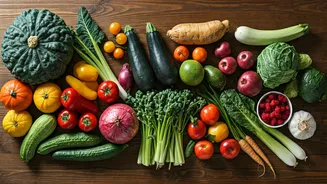
This traditional approach aligns remarkably well with modern nutritional science. Eating a variety of local, seasonal produce ensures a diverse intake of vitamins and minerals when they are at their most potent. A winter diet rich in sarson da saag, for example, provides a powerful dose of iron, calcium, and vitamins A, C, and K, bolstering immunity when colds and flu are rampant. Summer’s bounty of water-rich fruits like watermelon and muskmelon, and cooling vegetables like cucumber, helps prevent dehydration. Furthermore, traditional food preparation methods associated with the seasons, such as fermentation for pickles (achaar) and preserves, were not just for storage. They were an ingenious way to cultivate beneficial gut bacteria, which we now know is crucial for digestion, immunity, and even mental well-being. This wasn't about counting calories; it was about intuitive, time-tested nourishment.
Beyond the Body: A Greener Plate
Following traditional eating patterns is not only good for our health but also for the planet. When we eat what is locally in season, we drastically reduce our ‘food miles’—the distance food travels from farm to plate. This means a smaller carbon footprint and less reliance on energy-intensive greenhouses, artificial ripening processes, and long-haul transportation. Choosing indigenous and seasonal crops also supports local farmers and helps preserve agricultural biodiversity. In an age of monoculture, where a few cash crops dominate the market, our traditions encourage the cultivation of a wider variety of grains, vegetables, and fruits, creating a more resilient and sustainable food system. It’s a quiet form of activism you can practise with every meal.
How to Reconnect With Tradition Today
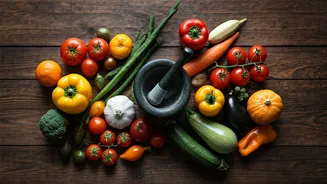
Embracing this wisdom doesn't require a radical overhaul of your life. It starts with small, mindful changes. Instead of heading straight to the supermarket aisle with imported berries in December, take a walk through your local sabzi mandi. See what the vendors are piling high—those are your seasonal heroes. Ask your parents or grandparents about the dishes they ate during different seasons as children. Try to cook one traditional, seasonal recipe each week. Pay attention to the produce that appears and disappears from the market. This reconnection is about curiosity and observation, rediscovering the rhythm of nature that our ancestors understood so well. It’s about letting tradition be your guide, not your rulebook.