

The Hardy Trio: Dal, Baati, Churma
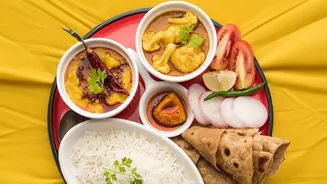
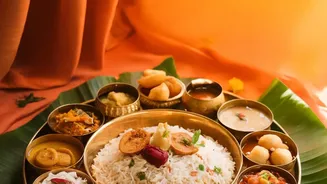
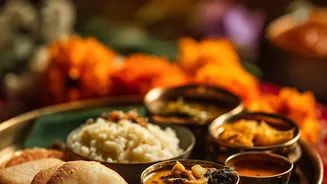
At the heart of any Rajasthani thali lies its most iconic trio: Dal, Baati, and Churma. This isn't just a dish; it's a testament to the region's martial history and arid landscape. Baati, a hard, unleavened bread roll, was originally a war-time food.
Soldiers would bury balls of dough in the hot desert sand to bake while they were in battle, returning to a ready, long-lasting meal. These dense rolls are broken apart and traditionally drenched in ghee before being eaten with dal, a flavourful curry made from a mix of lentils. The Churma, a sweet dish made from crumbling the baked baati and mixing it with ghee and jaggery or sugar, is said to have been an accidental, yet brilliant, discovery. Together, they form a complete, calorie-rich meal that provided sustenance in a challenging environment.
Cuisine Forged by Scarcity
Rajasthan’s climate, with its limited rainfall and scarcity of fresh green vegetables, is the chief architect of its cuisine. This has led to remarkable culinary innovation, with a heavy reliance on ingredients that can be stored for long periods. Gram flour (besan) is a star ingredient, leading to iconic dishes like Gatte ki Sabzi, where steamed and spiced gram flour dumplings are simmered in a tangy yogurt-based curry. Similarly, dried desert beans and berries like ker and sangri are used to create flavourful vegetable dishes. The lack of water also influenced cooking methods, favouring foods that needed little water to prepare and promoting the widespread use of milk, buttermilk, and ghee instead. This resourcefulness transformed limitations into a unique and robust culinary identity.
The Richness of Royalty and Ghee
While the everyday fare was shaped by resourcefulness, the thali also reflects the opulent legacy of Rajasthan's royal courts. The lavish use of ghee, or clarified butter, is a hallmark of Rajasthani hospitality and is seen as a measure of a host's affection and prosperity. Ghee not only adds immense flavour and richness but was also a practical source of fat to combat the harsh climate. Beyond its everyday use, the royal kitchens, influenced in part by Mughal traditions, perfected elaborate preparations and rich desserts. Sweets like Moong Dal Halwa, a decadent pudding of lentils sautéed in ghee, and Ghevar, a disc-shaped sweet cake, often find a place in a celebratory thali, showcasing the luxurious side of the state's culinary heritage.
A Symphony of Supporting Flavours
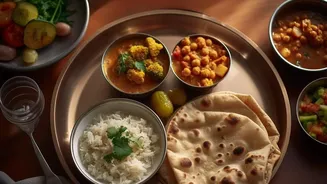
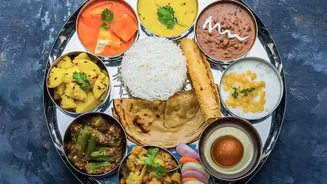
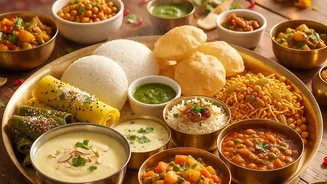
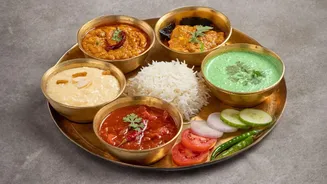
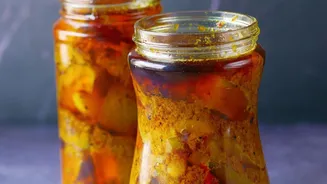
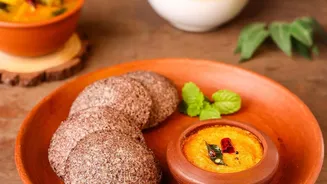
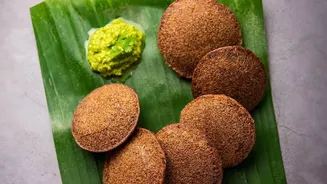
A thali is a study in balance, and the main dishes are brilliantly supported by an array of accompaniments. Various types of flatbreads, from the hearty Bajre ki Roti (millet bread) to the savoury Missi Roti (chickpea flour bread), offer different textures and tastes. A fiery Lehsoon ki Chutney (garlic chutney), made by pounding garlic and red chillies, provides a spicy kick that cuts through the richness of the ghee. Cooling buttermilk or a sweet lassi helps balance the palate, while a variety of pickles (achaar) and papads add crunch and tang. This complex interplay of spicy, sweet, savoury, and sour elements ensures that every bite is a new experience, making the thali a complete and deeply satisfying culinary journey.