


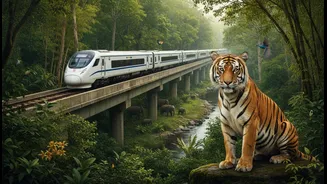


A New Era of Convenient Wildlife Travel
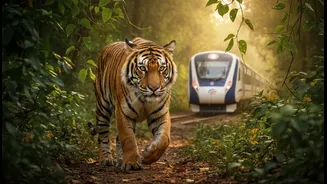
The expansion of Vande Bharat trains has been a game-changer for domestic tourism, connecting major cities with destinations that once required complex travel arrangements. Nature lovers can now reach iconic national parks with a comfortable, high-speed
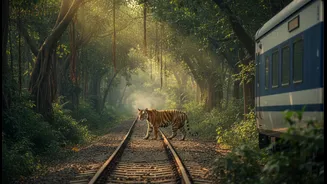
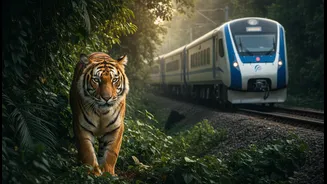
train journey followed by a short road trip. Routes to stations like Sawai Madhopur for Ranthambore, Mysuru for Bandipur, and Dehradun for Jim Corbett have slashed travel times, making weekend wildlife trips a viable option for many. This newfound convenience has led to a surge in interest for rail-based tourism, encouraging spontaneous and planned excursions into India's celebrated wilderness.
The Overlooked Monsoon Reality
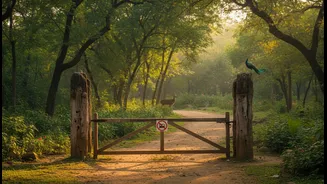
Here’s the catch: just as the monsoon paints the landscape in lush green, many of India's most famous national parks shut their gates. Most core zones of tiger reserves, particularly in Central and Northern India, close annually from around July 1 to late September or mid-October. This is a mandated closure by the National Tiger Conservation Authority (NTCA) for sound ecological and safety reasons. For travellers unaware of this schedule, an eagerly awaited trip can end in disappointment, with safari plans halted before they even begin. Parks like Kanha, Bandhavgarh, and Ranthambore all enforce these seasonal shutdowns for their main tourism zones.
Why Parks Need a Seasonal Break
The monsoon closure isn't arbitrary; it's vital for the health of the ecosystem and the safety of visitors. The rainy season is the primary breeding period for many species, and reducing human disturbance is crucial for successful reproduction. The forest also uses this time to regenerate and recover from the year-round footfall. Furthermore, the heavy rains make the unpaved jungle tracks slushy and dangerous, posing a real risk of safari vehicles getting stuck. Closing the parks protects wildlife, allows nature to rejuvenate, and ensures that when visitors do return, their experience is both safe and rewarding.
A Smart Traveller's Guide to Planning
So, how do you plan a successful wildlife trip? The key is to verify park operations before making any bookings. First, always check the official forest department website for the specific national park you intend to visit. These sites provide the most accurate information on opening and closing dates. For instance, core zones of Ranthambore typically close from July 1 to September 30, while Kanha and Bandhavgarh often remain shut until mid-October. Second, don't hesitate to call the park's administrative office or tourist information centre directly. Schedules can sometimes change, and a quick call can save you a lot of trouble. Finally, if your travel dates fall within the monsoon period, all is not lost. Many parks keep their buffer zones open for safaris year-round. While animal sightings might be less frequent due to dense foliage, these areas offer a serene, crowd-free experience of the jungle in its most vibrant form. Parks like Jim Corbett and Kanha have well-managed buffer zones that are accessible during the rains.
Key Routes and Their Monsoon Status
To make planning easier, here are a few popular Vande Bharat-accessible parks and their general monsoon status:
Ranthambore National Park (Nearest Station: Sawai Madhopur): The core zones (1-5) are closed from July to September. However, buffer zones (6-10) often remain open for safaris.
Jim Corbett National Park (Nearest Station: Dehradun/Ramnagar): While the main Dhikala and Bijrani zones close around mid-June, the Jhirna, Dhela, and Garjiya buffer zones are typically open throughout the monsoon, weather permitting.
Kanha and Bandhavgarh National Parks (Via Jabalpur/Nagpur routes): These Madhya Pradesh parks close their core zones from July 1 to around October 15. However, their buffer zones like Khatia and Sijora in Kanha are open and popular for monsoon safaris.
Bandipur National Park (Nearest Station: Mysuru): Located in Karnataka, Bandipur often remains open year-round, but it's always best to check for any local advisories, especially during heavy rainfall.