

Understanding Grooming Anxiety
For many pets, grooming can be a source of significant fear. Unfamiliar sounds, strange tools, being handled in sensitive areas, and past negative experiences can all contribute to anxiety. It is crucial to recognise the signs of stress in your pet, which
can be subtle. Watch for calming signals like repeated lip licking or yawning when no food is present. More obvious signs include trembling, panting when not hot, a tucked tail, flattened ears, or trying to hide. In some cases, a pet might freeze, becoming completely still, which is a survival mechanism often mistaken for cooperation. Recognising these cues early allows you to stop before the stress escalates.
Create a Calm Sanctuary
The environment plays a massive role in your pet's state of mind. Choose a quiet, distraction-free area of your home for grooming. Avoid loud noises and sudden movements that could startle them. Some owners find that playing soft, calming music can help create a more relaxed atmosphere. It's also important to be calm and patient yourself. Pets are highly attuned to our emotions; if they sense your frustration, their own anxiety will likely increase. Speak in a soothing voice and approach the session as a time for gentle connection, not a chore to be rushed.
The 'Less Is More' Approach
Instead of marathon grooming sessions that leave everyone exhausted, embrace the power of short and frequent interactions. The goal is to make grooming a normal, non-threatening part of your pet's routine. A short session might mean brushing just one small section of their coat, handling one paw, or cleaning one ear. For a very anxious pet, it could be as simple as letting them sniff the brush and then rewarding them. These small, positive encounters, repeated consistently, build trust and confidence over time, gradually increasing your pet's tolerance for being handled. Always end the session on a positive note, before your pet becomes overwhelmed.
Making Friends with Tools
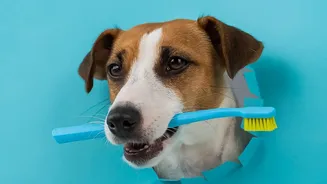
Often, it's the grooming tools themselves that trigger fear. You can change this association through a process called desensitisation. Start by simply leaving the tools on the floor and letting your pet investigate them at their own pace, rewarding any curiosity with praise and treats. For noisy tools like clippers or dryers, you can play recordings of the sounds at a very low volume during pleasant activities like mealtime, gradually increasing the volume over several days. Next, let your pet see and touch the tools without them being used. Hold the brush and let them sniff it, or touch their body with the clippers while they are turned off. Every calm interaction should be rewarded.
The Power of Positive Reinforcement
Positive reinforcement is the most effective tool for changing your pet's perception of grooming. This means rewarding the behaviour you want to see. Use high-value treats—special snacks they find irresistible and don't get at other times—to create a strong positive association. Reward them for approaching the grooming area, for allowing a single brush stroke, or for letting you hold their paw for a second. Praise and affection are also powerful rewards. The key is consistency and timing; reward your pet the instant they show calm behaviour to reinforce the connection. Never use force, as this will only destroy trust and increase fear.
When to Call a Professional
While these techniques are very effective, some pets may have anxiety so severe that it requires professional help. If your pet shows extreme signs of distress, becomes aggressive, or if you are unable to safely perform essential grooming like nail trims or removing mats, it is time to consult a professional. Look for a groomer who is experienced with anxious animals and uses fear-free or low-stress handling techniques. In some cases, it may also be helpful to speak with your veterinarian or an animal behaviourist to rule out any underlying pain and develop a comprehensive behaviour modification plan.