

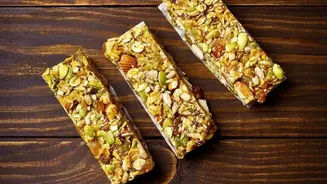
The New Rules of Snacking
For generations, Indian snacking was synonymous with deep-fried, spice-laden treats. Bhujia, sev, and chips were the undisputed kings of the tea-time table. But today, a different set of priorities is reshaping the market. A growing wave of health consciousness,
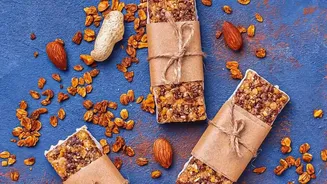
especially in urban areas, has consumers looking for more than just taste. They are reading labels, scrutinizing ingredients, and demanding snacks that offer nutritional benefits. This shift is driven by concerns over lifestyle diseases and a desire for cleaner living. As a result, snacks perceived as 'better-for-you'—baked, not fried; low in sodium; high in protein or fibre—are no longer a niche category but a powerful market force. The India healthy snacks market, valued at over USD 3 billion, is now growing faster than the global average, fueled by this demand for guilt-free indulgence.
Makhana: The Superstar of Healthy Snacking
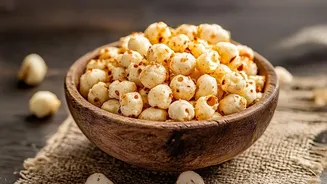
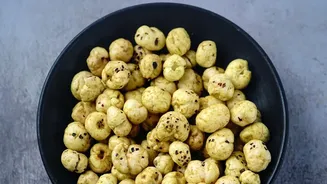
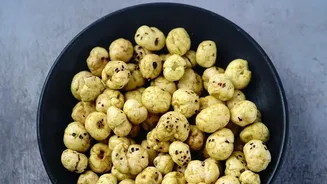
No single product embodies this change more than makhana, or fox nuts. Once a humble ingredient primarily consumed during religious fasts, makhana has been rebranded as a modern superfood. Its appeal is easy to understand: it is low in calories, naturally gluten-free, and rich in protein and essential minerals. Roasted and seasoned with flavours ranging from classic masala to peri-peri, it offers the satisfying crunch of a chip without the associated guilt. This combination of health credentials and taste has made it a favourite among weight-conscious consumers, busy professionals, and even parents looking for nutritious options for their children. Brands have been quick to capitalise, moving makhana from local markets to premium packaging on e-commerce platforms and supermarket shelves nationwide.
The Rise of New-Age Brands
This snacking revolution has been accelerated by the boom in Direct-to-Consumer (D2C) brands. Bypassing traditional distribution networks, these startups leverage social media and quick-commerce platforms like Blinkit and Zepto to reach customers directly. This model allows them to be more agile, transparent, and responsive to consumer demands. Brands like The Whole Truth, Yoga Bar, and Farmley have built loyal followings by focusing on clean labels, high-quality ingredients, and honest marketing. They speak a language that resonates with younger, digitally savvy consumers who value authenticity and want to know the story behind their food. This D2C surge has turned snacks into one of India's most competitive online categories, forcing even legacy players to innovate.
How Traditional Players Are Adapting
The old guard of the snack world has not been sitting idle. Major players like Haldiram's, Bikaji, and even PepsiCo have taken note of the changing landscape. Rather than fighting the trend, they are joining it. Many are launching their own lines of 'healthy' snacks, including roasted namkeens, multigrain options, and, of course, their own versions of flavoured makhana. Some are also acquiring smaller D2C brands to gain a foothold in the premium wellness space. This two-pronged strategy allows them to cater to their loyal base, who still love traditional flavours, while also appealing to a new generation of health-conscious buyers. The result is not the death of namkeen, but its evolution. The snack aisle is now a place where the traditional and the modern coexist, offering consumers more choice than ever before.