




From Coffee Beans to Flower Petals
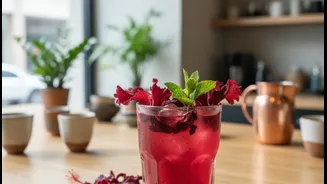
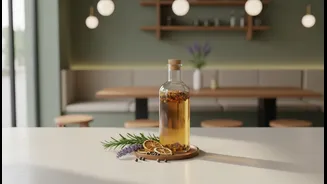
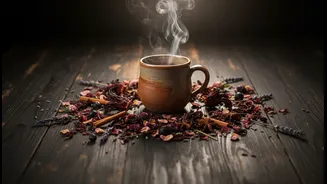
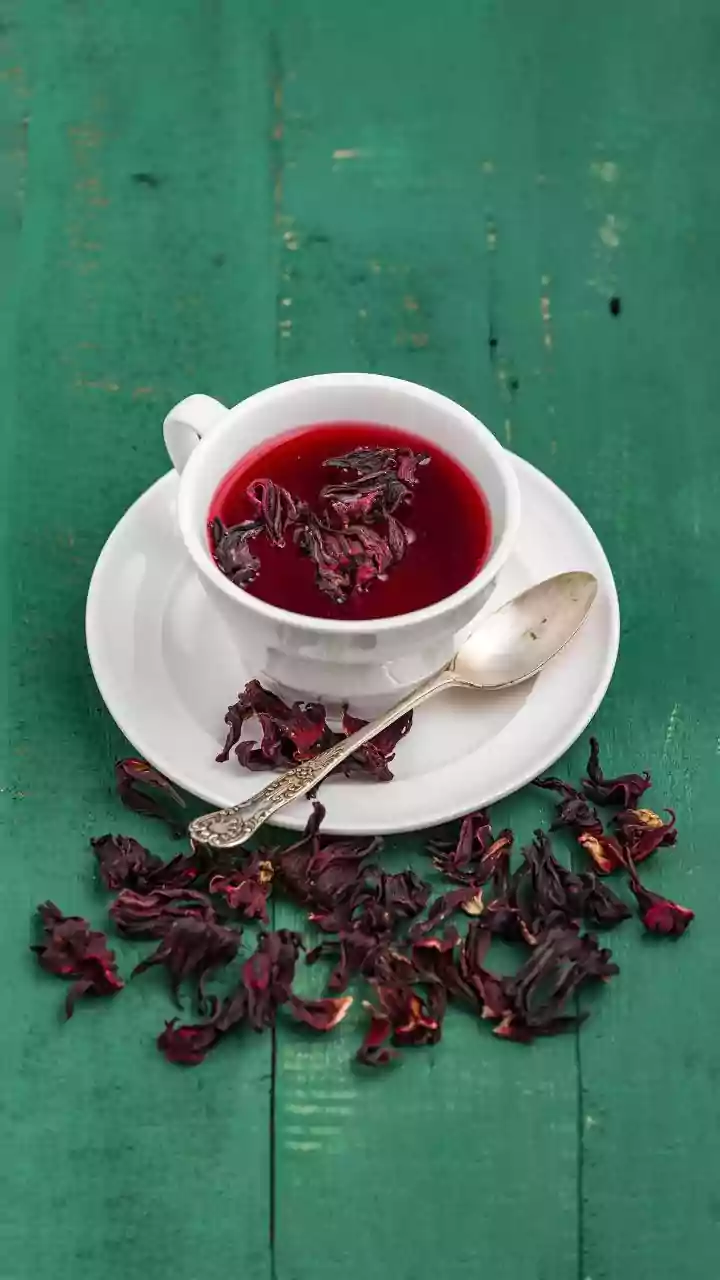
The Indian café scene is undergoing a sophisticated transformation. While coffee and traditional teas remain staples, menus are blossoming with botanical flavours. Think less of artificial syrups and more of house-made infusions featuring hibiscus, rose,
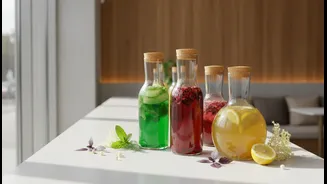
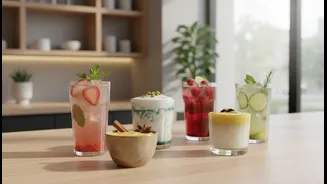
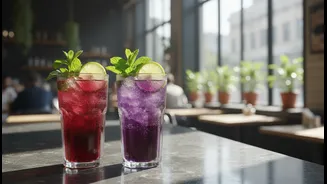
lavender, elderflower, and even butterfly pea flower. This trend extends beyond just teas; these floral and herbal notes are being creatively stirred into lattes, cold brews, artisanal sodas, and non-alcoholic coolers. This movement mirrors a global trend but with a uniquely Indian twist, often incorporating familiar local ingredients like tulsi, mogra, and jamun. It signals a maturation of the urban Indian palate, which is increasingly seeking more complex, subtle, and layered flavour experiences.
A Growing Thirst for Wellness
This shift isn't just about taste; it's deeply connected to a larger wellness movement. Indian consumers are more health-conscious than ever, scrutinising labels and moving away from sugary, processed drinks. The healthy beverages market in India is substantial, driven by a desire for products that offer functional benefits beyond simple refreshment. Botanicals fit perfectly into this narrative. Ingredients like chamomile, hibiscus, and tulsi are associated with calming, cooling, or immunity-boosting properties rooted in traditions like Ayurveda. As consumers prioritise preventive health, these 'functional beverages' are becoming an expected part of the daily routine, not just an occasional treat.
The Instagrammable Drink
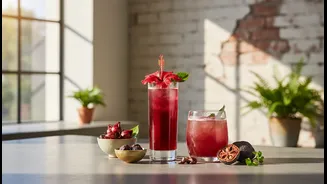
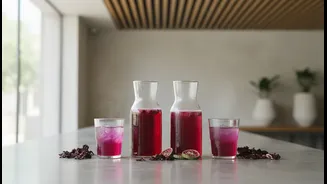
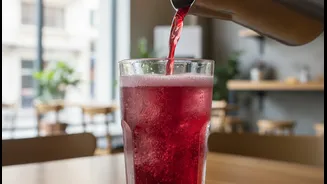
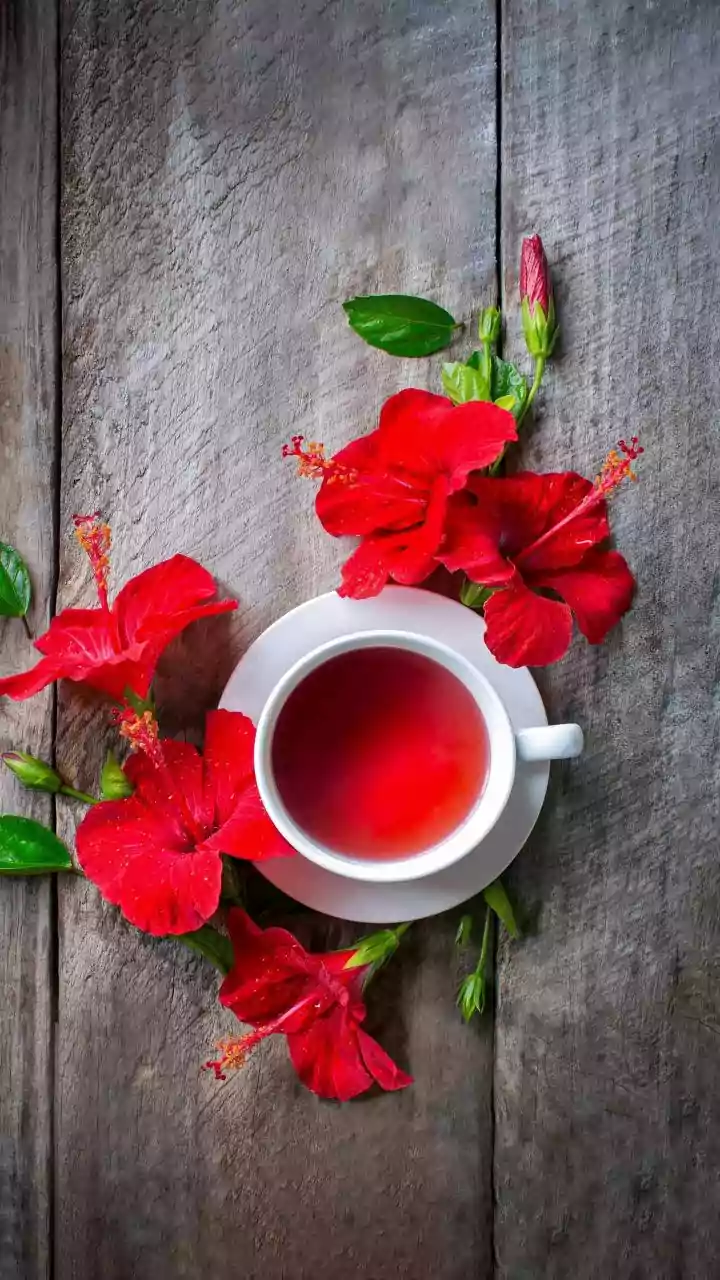
There's no denying the visual appeal of these new-age beverages. A vividly red hibiscus iced tea or a lavender latte with its delicate purple hue is made for the social media age. Cafés are well aware that a beautiful, 'Instagrammable' drink can be a powerful marketing tool, driving curiosity and footfall. This is particularly true for younger consumers, like Gen Z, who are eager to experiment with new and visually appealing trends. The vibrant colours—derived naturally from flowers and herbs—make these drinks stand out. This aesthetic dimension, combined with the perception of being a healthier choice, creates a powerful draw for a generation that documents its culinary experiences online.
Where to Find the Floral Revolution
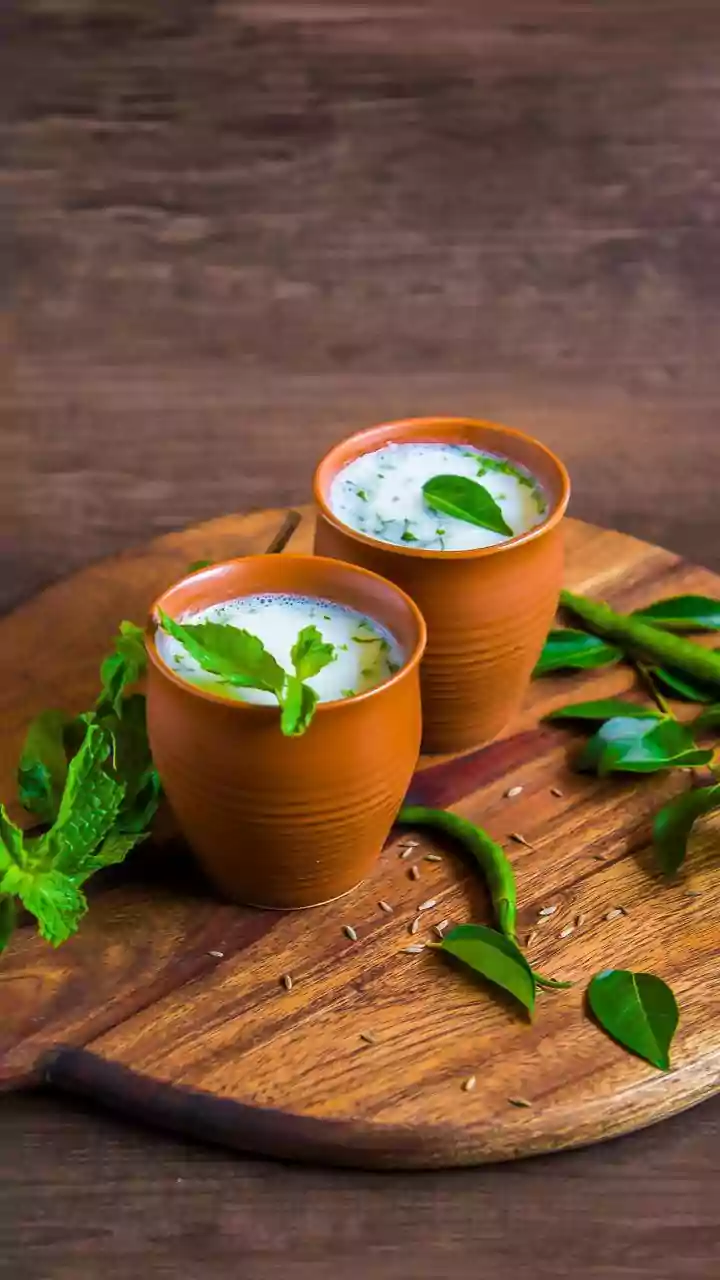
This trend is no longer confined to niche wellness cafés in major metropolitan areas like Mumbai, Delhi, and Bengaluru. While these cities lead the way, the curiosity for innovative flavours is spreading to Tier-2 and Tier-3 cities as well. Menus across the country are featuring creative concoctions. You might find a Miso Caramel Latte, a Spicy Guava Espresso Tonic, or a cocktail programme built around Indian botanicals like kokum. Even traditional summer drinks like sharbat, which have always used floral extracts from rose and mogra, are seeing a renewed appreciation for their natural, authentic roots. From high-end restaurants reimagining cocktails with Indian botanicals to local cafes brewing their own floral infusions, the garden is truly making its way into the glass.
What Does This Mean for the Future?
The move towards botanical flavours is more than a fleeting trend; it represents a fundamental shift in consumer expectations. It reflects a desire for authenticity, transparency, and products that align with a healthier lifestyle. The Indian consumer is no longer satisfied with one-dimensional sweetness. They are seeking beverages with purpose and a story, whether it’s a connection to local agriculture, Ayurvedic wisdom, or global culinary movements. As the Indian beverage market continues to grow, this demand for nuanced, functional, and thoughtfully crafted drinks will only intensify, pushing cafés and beverage brands towards even greater creativity and innovation.