






The post-pandemic dream for many urban Indian families is simple: more space. But this desire for a larger home is colliding with a complex reality, where the trade-off between size, location, and daily convenience is harder than ever.
The Irresistible Pull of More Space
For years, the Indian
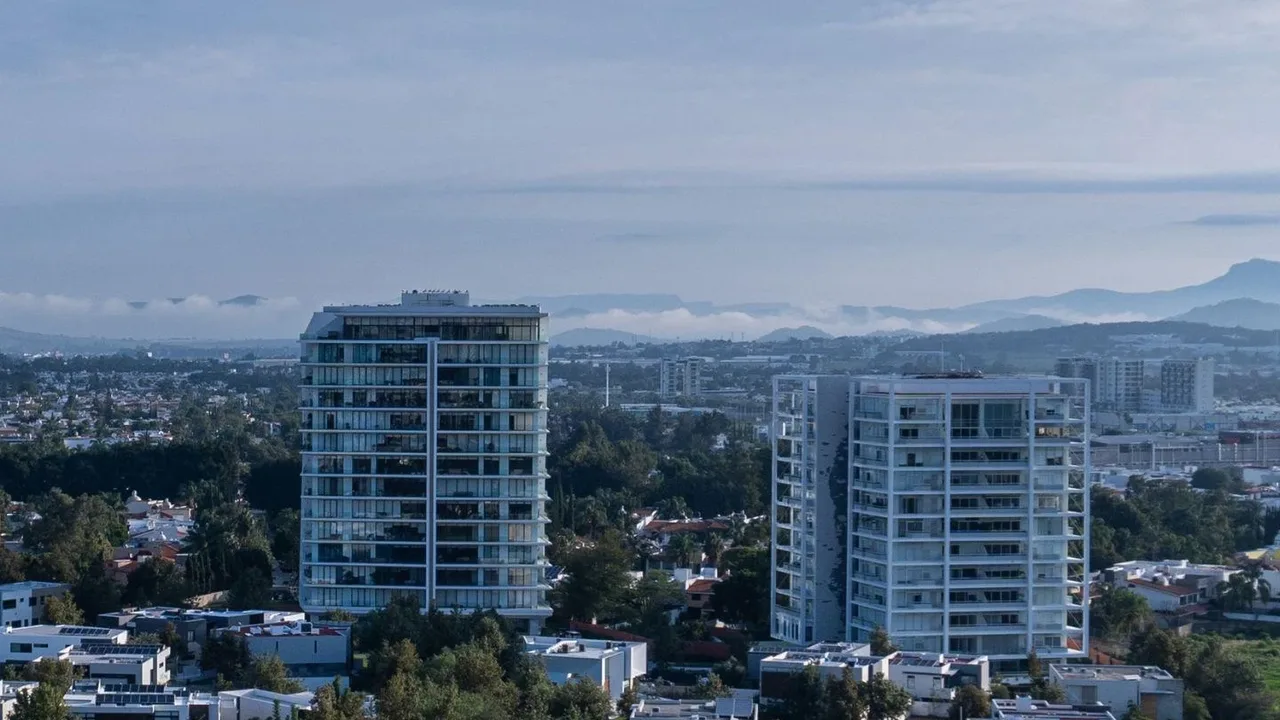
real estate market saw a trend towards smaller, more compact urban units. The pandemic flipped that script. Suddenly, homes had to become offices, classrooms, and gyms overnight. This intensive use of living quarters sparked a nationwide craving for larger apartments. Buyers are now actively seeking to upgrade from 2BHKs to more spacious 3BHK or 4BHK layouts to accommodate dedicated workspaces and give family members more breathing room. This shift isn't just about luxury; it’s a practical response to a new way of life where the home is the center of the universe. The demand reflects a fundamental change in lifestyle, where quality of life is increasingly measured by the quality and flexibility of one's personal space.
The Location Compromise
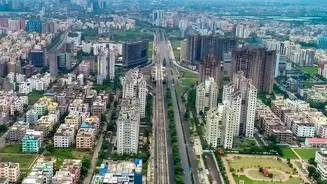
The catch, however, is that this much-desired space is often unavailable or unaffordable in the dense, central parts of major metropolitan areas. To find larger homes, homebuyers are increasingly looking towards the peripheries and suburban corridors of cities like Bengaluru, Mumbai, and the Delhi-NCR. These emerging locations offer the promise of integrated townships and more spacious homes, often at a lower per-square-foot cost. However, this move outward comes with a significant compromise. While you might gain a bedroom or a balcony, you may lose proximity to the city's economic and social hubs. This trade-off is the core of the modern homebuyer's dilemma: is the extra space worth the distance?
Connectivity: The Deciding Factor
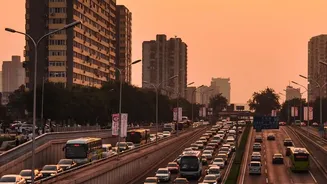
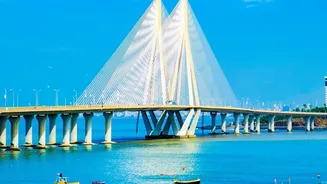
Location is no longer just a pin on a map; it's defined by connectivity. This is where the debate gets truly complicated. A large, beautiful apartment becomes less appealing if the daily commute is a nightmare. Connectivity today means two things: physical and digital. Physical connectivity refers to access to metro lines, major roads, and public transport that link peripheral areas to central business districts. While India is rapidly expanding its infrastructure with new expressways and metro networks, many newly developed residential areas still suffer from last-mile gaps and traffic congestion. Digital connectivity is just as crucial. With hybrid work models here to stay, a reliable high-speed internet connection is non-negotiable, and this can be a challenge in some outlying regions.
Beyond the Commute: The Social Infrastructure Gap
Even with a good road or metro line, life is more than just travelling to an office. A key challenge in many peripheral housing developments is the lack of robust 'social infrastructure'. This includes access to quality schools, reliable hospitals, retail centres, and recreational spaces like parks and community halls. While a brochure might promise a serene lifestyle away from the urban hustle, the reality can mean long drives for basic necessities or a sense of isolation. For families, the availability and quality of schools often become the ultimate deciding factor, trumping even the size of the home. A well-located property in a mature neighbourhood offers a builtin ecosystem of services that newer areas can take years, or even decades, to develop.
The Hybrid Work Model's Double Edge Sword
The rise of hybrid work initially fueled the exodus to larger, peripheral homes. The logic was simple: if you only have to commute two or three times a week, a longer travel time is manageable. However, as companies increasingly call employees back to the office, even for part of the week, the reality of a long and stressful commute is setting in again. A two hour journey might seem acceptable twice a week, but it still eats into personal time and adds stress. As a result, many homebuyers are reevaluating. The focus is shifting towards finding a 'best of both worlds' solution: a location that is not necessarily in the city center but has excellent, predictable connectivity to it, reducing the strain of the hybrid commute.