
The Seed You Already Know
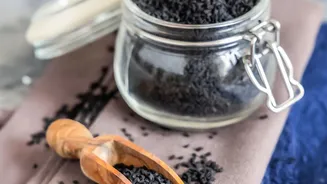
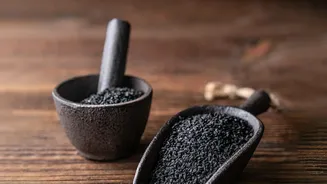
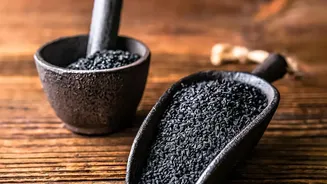
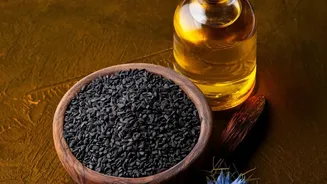
If you’ve ever enjoyed a piece of fresh naan at an Indian restaurant, you’ve likely encountered nigella seeds. Known in India as 'kalonji', these small, matte black, triangular seeds are a staple in many kitchens. They come from the Nigella sativa plant,
which is native to South and and Southwest Asia. Although they are sometimes mistakenly called black onion seeds, black cumin, or even black sesame seeds, kalonji have a unique profile that sets them apart. While black sesame seeds are smooth, oval, and have a mild, nutty taste, nigella seeds are angular and pack a much more pungent, savoury punch.
A Complex, Savoury Flavour
The magic of nigella seeds lies in their complex flavour and aroma. When raw, the scent is faint. But once heated, they release a powerful bouquet often described as peppery and slightly bitter, with distinct notes of onion, oregano, and toasted nuts. This flavour is strong, so a little goes a long way; too much can impart a noticeable bitterness. This unique profile is what makes them such a fantastic counterpoint to the simple, comforting taste of bread, adding a layer of savoury complexity that feels instantly more sophisticated.
Achieving the Bakery-Style Finish
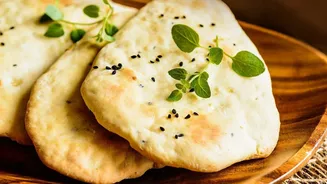
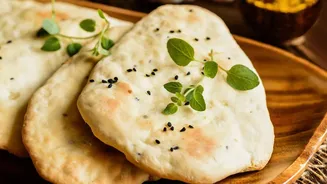
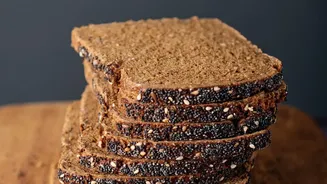
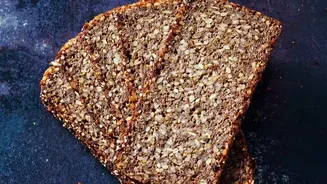
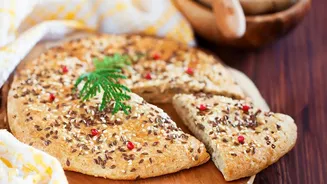
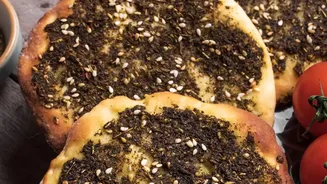
So, how exactly does this tiny seed create a 'bakery-style' finish? It’s a combination of three things: aroma, texture, and appearance. As the bread bakes, the nigella seeds toast on the crust, releasing their aromatic oils and filling the air with that signature peppery, onion-like scent. This creates an immediate sensory connection to artisanal breads like Turkish flatbreads or Indian naan. Next comes the crunch. The seeds provide a delightful textural contrast to a soft crumb and a crisp crust. Finally, the scattering of black seeds on a golden-brown crust is visually striking, making your homemade loaf look like it came straight from a professional baker’s shelf.
How to Use Nigella Seeds In Your Bread
Incorporating nigella seeds into your bread recipes is wonderfully simple. The most common method is to use them as a topping. Just before baking, you can brush your dough with a little water or an egg wash and sprinkle the seeds on top. A helpful technique is to press the shaped dough onto a plate of seeds before its final proof, which helps them adhere better. For crusty loaves where an egg wash isn't suitable, simply dampening the surface of the dough with water is enough to make the seeds stick. You don’t need to toast the seeds beforehand if you're using them as a topping; the heat of the oven will do that for you. You can also mix the seeds directly into the dough. If you choose this method, add them towards the end of the kneading process to prevent them from being crushed. They work beautifully in a variety of breads, from simple white loaves and focaccia to savoury rolls and flatbreads like paratha and kulcha.
Beyond the Bread Loaf
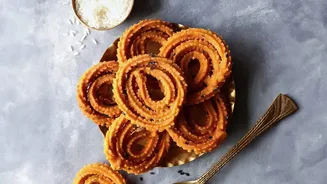
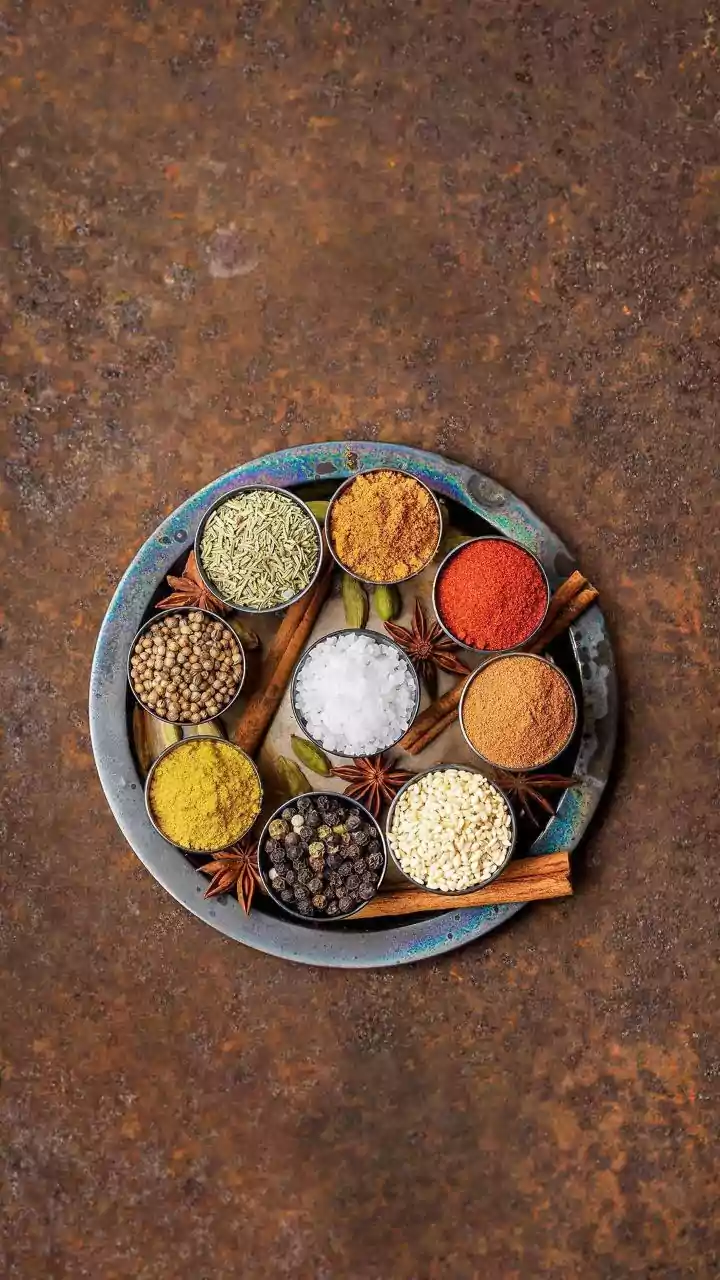
While nigella seeds are a game-changer for bread, their usefulness doesn't stop there. In Indian cuisine, kalonji is a key ingredient in 'tadka' (tempering spices in hot oil), a component of the Bengali five-spice mix 'panch phoron', and a common addition to pickles, lentils, and vegetable dishes, especially with potato and cauliflower. Sprinkling them over dips like hummus, savoury pastries, or even avocado toast can add an unexpected and delicious crunch and flavour. Exploring the versatility of kalonji not only enhances your baking but opens up a new world of savoury possibilities in your everyday cooking.