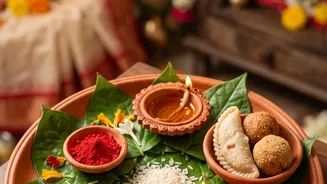



As Diwali approaches, the air fills with a familiar festive spirit, and kitchens come alive with the aroma of traditional sweets. Among these, the golden, crescent-shaped Gujiya holds a special place, evoking memories of celebration and family.
A Sweet Symbol of Festivity
Gujiya,
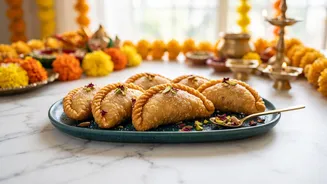
known by various names like Karanji, Ghughra, or Pedakiya across different regions of India, is more than just a sweet. It is a symbol of the joy and togetherness that defines Diwali. These deep-fried dumplings, with their crisp, flaky exterior and rich, sweet filling, are an indispensable part of the festive platter. While they might seem intricate, creating these delightful parcels at home is a deeply rewarding experience. The process itself often becomes a cherished family activity, with different generations gathering to roll, fill, and shape the sweets, sharing stories and laughter along the way. Making them from scratch allows you to control the quality of ingredients and customise the sweetness to your liking, ensuring a fresh and authentic taste that store-bought versions can rarely match.
Gathering Your Kitchen Staples
The beauty of a traditional Gujiya recipe lies in its simplicity and reliance on ingredients commonly found in most Indian kitchens. You do not need exotic items to create this masterpiece. For the outer covering, you will primarily need all-purpose flour (maida), a bit of semolina (sooji) for extra crispness, ghee for shortening (moyan), and water to form a firm dough. The heart of the Gujiya, its filling, is just as straightforward. The classic version uses khoya (mawa or dried milk solids), which you can either buy or prepare at home. This is enriched with powdered sugar, finely chopped nuts like almonds, cashews, and pistachios, desiccated coconut, and aromatic spices like cardamom powder and sometimes nutmeg. These components come together to create a filling that is nutty, fragrant, and perfectly sweet.
Preparing the Dough and Filling
The secret to a perfect Gujiya begins with the dough. In a large bowl, combine the flour and semolina. Add the ghee and rub it into the flour with your fingertips until the mixture resembles breadcrumbs. This step is crucial for achieving a flaky, 'khasta' texture. Now, gradually add water and knead into a stiff, smooth dough. Cover it with a damp cloth and let it rest for at least 30 minutes. While the dough rests, prepare the filling. Gently roast the khoya in a pan over low heat until it loosens up and releases a pleasant aroma, ensuring it does not brown. Let it cool completely. Once cool, crumble it and mix in the powdered sugar, chopped nuts, desiccated coconut, and cardamom powder. Your rich and flavourful filling is now ready.
The Art of Shaping and Frying
After the dough has rested, knead it once more and divide it into small, equal_sized balls. Roll each ball into a thin, small circle, about 4_5 inches in diameter. Take one circle and place a spoonful of the filling on one half, leaving the edges clear. Gently moisten the edges with a little water using your finger. Carefully fold the other half over the filling to create a semi_circle. Press the edges firmly to seal them. You can create a decorative edge by pinching and twisting the seal, a technique known as 'gothna', or simply use a fork or a Gujiya mould for a neat pattern. As you shape them, keep the finished Gujiyas covered with a damp cloth to prevent them from drying out. Heat ghee or oil in a kadai over low to medium heat. The temperature is key; if the oil is too hot, the Gujiyas will cook too quickly and remain soft. Fry them in small batches on a low flame, turning them occasionally, until they are golden brown and crisp on all sides. This slow frying process can take 7_8 minutes per batch.
Tips for Perfection and Storage
To ensure your Gujiyas are flawless, remember a few key tips. Make sure the dough is stiff, not soft, to prevent it from becoming soggy with the filling. Do not overfill the dough circles, as this can cause them to break open while frying. Sealing the edges properly is paramount to keep the filling intact. Finally, the slow frying method is non_negotiable for that signature crispy texture. Once fried, remove the Gujiyas with a slotted spoon and place them on absorbent paper to drain excess oil. Let them cool down completely to room temperature before storing. They can be kept in an airtight container for up to two weeks, ready to be shared with guests and enjoyed throughout the festive season. Some variations also involve dipping the fried Gujiyas in a sugar syrup, creating a 'chashni' version for an extra layer of sweetness.