




The Journey Is the Destination
For decades, the goal of travel was speed. Today, that mindset is shifting. A growing number of travellers are embracing ‘slow travel,’ an approach that prioritises immersive experiences and deeper cultural connections over a packed schedule. Rather than
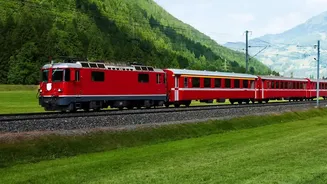
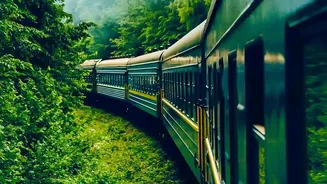
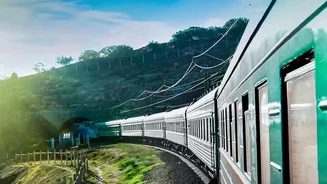
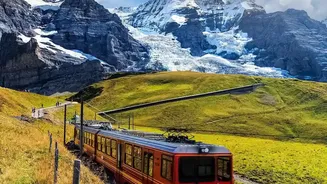
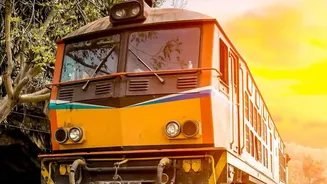
ticking destinations off a list, this philosophy is about finding authenticity and mindfulness along the way. It’s a conscious choice to trade the sterile convenience of airports and highways for a more grounded, observant pace. At the heart of this movement is a mode of transport many once saw as merely functional: the train. Train journeys, by their very nature, invite you to relax, observe the changing landscapes, and engage with your surroundings, making the travel itself a core part of the vacation.
A Window to the Soul of India
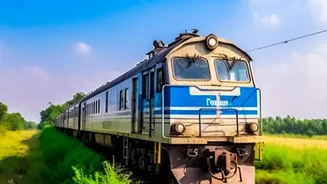
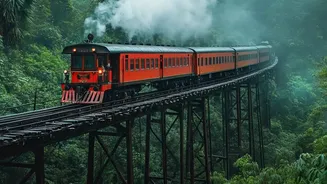
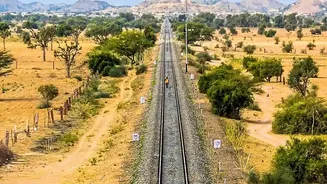
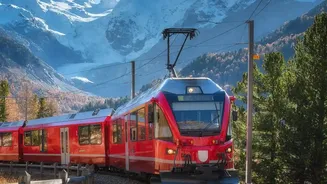
Few countries are as perfectly positioned to embrace this trend as India, with one of the world's largest and most storied railway networks. Train journeys here offer an unparalleled cross-section of the country's diverse landscapes and daily life. To cater to this growing interest in experiential travel, Indian Railways has heavily invested in enhancing the scenic journey. The introduction of Vistadome coaches has been a game-changer, featuring panoramic glass windows, transparent roofs, and seats that rotate 360 degrees to offer uninterrupted views. These coaches now operate on dozens of breathtaking routes, from the verdant Western Ghats on the Mumbai-Goa line to the snow-dusted valleys of the Kashmir line between Budgam and Banihal. The journey becomes an attraction in itself, whether you're winding through the 58 tunnels of the Araku Valley or climbing the steep inclines of the Kalka-Shimla hill railway.
More Than Just a Ride
The appeal of Indian rail travel goes beyond just pretty views. It’s an inherently social experience, a chance to meet people from all walks of life in a way that’s impossible on a flight. It’s also a more sustainable choice. As travellers become more conscious of their carbon footprint, rail travel stands out as a greener alternative to flying, producing significantly lower emissions. This aligns with a broader trend among modern travellers, particularly millennials and Gen Z, who increasingly seek eco-friendly options. Choosing the train also supports smaller, local economies along the route, not just in the major tourist hubs. From the chai-wallah on the platform to the snack vendor in the aisle, the railway is a vital economic artery that distributes tourism's benefits more widely.
A Blend of Nostalgia and Modern Comfort
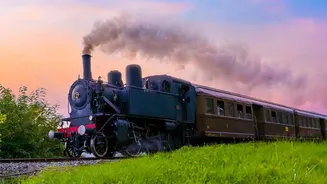
The revival isn't just about scenic day trips. India is also seeing a renewed appreciation for its heritage routes and luxury trains. The legendary Palace on Wheels and Maharajas' Express continue to offer opulent, multi-day journeys that evoke a bygone era of romantic travel. Simultaneously, heritage lines like the Nilgiri Mountain Railway, a UNESCO World Heritage site known for being India's slowest train, are celebrated precisely for their unhurried pace. This isn't about rejecting progress; it's about embracing a different kind of progress. Even as India develops world-class high-speed trains like the Vande Bharat Express, which has impressed international travellers, there is a parallel appreciation for journeys that celebrate slowness, history, and connection.