



The Stress of the Spotlight
Imagine being followed, surrounded, and stared at every time you stepped out of your home. For wildlife in popular tourist destinations, this is a daily reality. The convoy of safari jeeps, the clicking of cameras, and the excited chatter of tourists
can cause significant stress. Even seemingly harmless activities can trigger a flight-or-fight response in animals. Studies show that constant human disturbance elevates stress hormones, which can alter behaviour, disrupt feeding and mating patterns, and even decrease survival rates. Animals may become more nocturnal to avoid humans, shifting their natural rhythms in a way that can have cascading effects on the ecosystem. What we see as a fleeting, exciting moment can be a stressful, life-altering event for the animal.
Wildlife Has the Right of Way
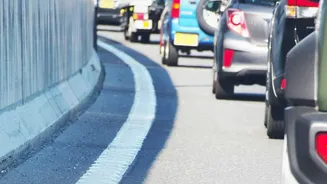
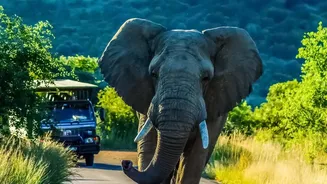
The most fundamental rule of any safari or wildlife tour is that animals have the right of way. Blocking an animal's path—whether it’s a single vehicle or a group of them creating a wall—is one of the most disruptive things a tourist can do. It can separate a mother from her young, prevent an animal from reaching a water source, or cut off a crucial escape route from a predator. These wildlife corridors are essential for survival, allowing animals to move between areas to find food, water, and mates. When we obstruct these paths, we aren't just causing a temporary inconvenience; we are fundamentally threatening an animal’s ability to live. This is why park regulations across India strictly prohibit getting out of vehicles, getting too close, or in any way impeding the natural movement of wildlife.
A Guide to Ethical Viewing
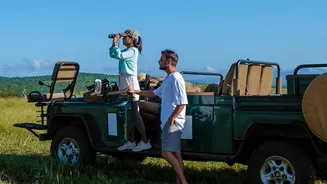
Being a responsible wildlife enthusiast doesn't mean you can't have incredible experiences. In fact, ethical viewing often leads to more authentic and rewarding sightings. The key is to be a respectful guest in their home. Always follow the instructions of your guide and driver; they are trained professionals who understand animal behaviour. Maintain a respectful distance. If an animal changes its behaviour because of you, you are too close. A good pair of binoculars is a far better tool than trying to inch your vehicle closer. Keep your voice down and your movements minimal to avoid startling the animals. Turn off your vehicle's engine once you've stopped. Never, under any circumstances, feed wild animals, as this habituates them to humans and can lead to conflict. Lastly, pack your patience. The forest operates on its own schedule.
The Truly Powerful Photograph
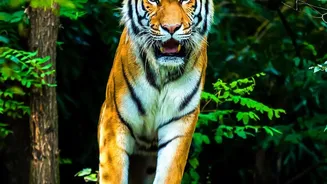
In the age of social media, the pressure to get the perfect shot is immense. But a truly great wildlife photograph isn't just about a close-up; it's about capturing a moment of natural behaviour. A photo of a tiger that was obtained by harassing it or throwing stones to make it move, as has been reported, is not a trophy—it's a sign of disrespect. Ethical photography puts the animal's welfare first. This means using a long lens to maintain distance, being patient, and never altering an animal's behaviour for the sake of a picture. A photograph of an animal at ease, exhibiting its natural behaviours, tells a much more powerful and beautiful story than one born from disturbance. It showcases the skill and patience of the photographer and, more importantly, a genuine respect for the subject.