






A Carnival with a Conscience
While many festivals are defined by their transient, colourful chaos, the recent carnival in the Andamans offered something more enduring. Amidst the lively cultural performances and bustling food stalls, the true heart of the event was found in the modest
kiosks lining the fairgrounds. Here, local artisans, particularly women from self-help groups, became the main attraction. This was no ordinary tourist market; it was a vibrant showcase of eco-consciousness, a platform dedicated to celebrating green entrepreneurship and responsible tourism. The event was a deliberate effort by the Andaman and Nicobar Administration to not only boost tourism but to intertwine it with the archipelago's profound cultural and ecological identity, proving that a celebration can also be a statement.
The Tree of Life
In the Andaman and Nicobar Islands, the coconut palm is more than just a plant; it is a symbol of life and livelihood, historically one of the most vital coastal resources. Every part of this versatile tree has a purpose, a tradition woven into the fabric of island life. While the tender water and fleshy kernel are culinary staples, it is the parts often discarded—the hard shells, fibrous husks, and sturdy leaves—that are now at the centre of an economic and creative renaissance. Artisans have passed down techniques for generations, transforming what others see as waste into objects of both beauty and utility, from mats used for sitting and sleeping to everyday tools.
From Shell to Showpiece
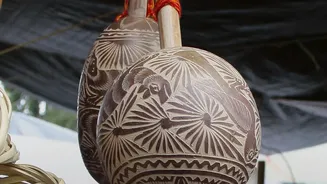
The ingenuity on display at the carnival was breathtaking. Coconut shells, once destined for the fire pit, were reborn as polished bowls, intricate jewellery, stylish table lamps, and charming decorative figurines. Artisans, using little more than hand tools, demonstrated their craft live, carving and polishing shells to reveal their hidden lustre. The products ranged from the purely functional, like spoons and containers, to the exquisitely artistic, such as detailed carvings depicting island flora and fauna. This transformation is a testament to the skill and creative vision of artisans who see potential in the overlooked, creating a diverse range of eco-friendly products that are finding an appreciative audience among tourists and locals alike.
The Sustainable Advantage
The appeal of these coconut crafts extends far beyond their aesthetic charm. They represent a truly sustainable economic model that is crucial for the fragile ecosystem of the Andamans. By utilising a natural, abundant, and biodegradable resource, these artisans are pioneering a circular economy at a grassroots level. The production process involves minimal waste and avoids the hazardous chemicals often found in mass-produced souvenirs. Supporting these local makers does more than just provide a livelihood; it helps preserve traditional knowledge, empowers women, and promotes a form of tourism that values and protects the natural environment that draws visitors in the first place.
A Platform for a Greener Future
For the artisans, the festive carnival was more than just a few days of good sales. It was a crucial opportunity for visibility, validation, and connection. Such events, supported by the local administration, bridge the gap between rural craftspeople and a wider market, allowing them to gain fair prices and build a reputation for quality. As visitors increasingly seek authentic experiences and eco-friendly products, these platforms become vital for fostering sustainable development. By providing a stage for these green entrepreneurs, the festival not only celebrated a local resource but also planted the seeds for a more resilient and self-sufficient local economy, ensuring that the islands' cultural and natural heritage can thrive together.