




The Simple Science of Natural Cooling
The magic of terracotta lies in a simple, elegant scientific principle: evaporative cooling. Terracotta is porous, meaning it has microscopic holes that allow small amounts of water to seep from the inside to the outer surface. As this water is exposed
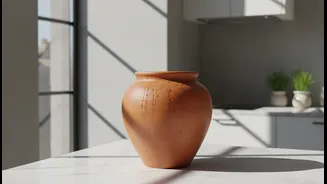
to the air, it evaporates. This process requires energy, which it draws in the form of heat from the pot and its surroundings. This leaves the container and its contents cooler than the ambient room temperature. This ancient method has been used for millennia, from the 'matka' pots of India to the 'zeer' jars of Ancient Egypt, to keep water refreshingly cool without a single watt of electricity.
A Plug-Free Solution for Compact Kitchens
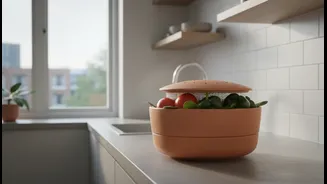
In a compact urban kitchen, every square inch of counter space and every electrical outlet is precious real estate. This is where terracotta truly shines. A terracotta water pitcher or a fruit-cooling bowl requires no electricity to function, freeing up plugs for your essential appliances. Their footprint is minimal, and they perform a vital function—keeping items cool and fresh—that would otherwise require bulky refrigeration. This makes them an incredibly efficient and space-saving choice for apartment dwellers and those with smaller kitchens, reducing both clutter and energy consumption.
Beyond Water: Preserving Freshness Naturally
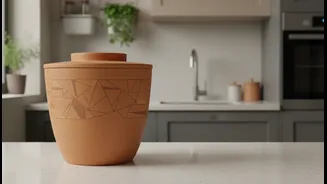
While terracotta is famous for cooling water, its benefits extend to food preservation. The same porous nature that facilitates cooling also helps regulate humidity. This makes terracotta vessels ideal for storing certain fruits and vegetables, preventing them from spoiling quickly in a stuffy kitchen. Items like onions, garlic, and potatoes last longer in a cool, dark, and breathable environment. It's also the secret behind the traditional 'butter bell' or crock, which keeps butter soft and spreadable without melting by suspending it in an inner pot cooled by a water-filled outer pot. Furthermore, the material is naturally alkaline, which can help balance the pH of acidic foods, and it doesn't leach chemicals like some plastics might.
An Earthy Aesthetic in a Digital Age
The resurgence of traditional materials like cast iron and brass in modern kitchens shows a growing desire for durability, sustainability, and a connection to the past. Terracotta fits perfectly into this trend. Far from being outdated, its warm, earthy tones provide a welcome, organic contrast to the sleek, often sterile look of contemporary kitchen designs. Designers and artisans are now creating modern terracotta pieces—from minimalist water pitchers to sculptural fruit bowls—that serve as functional art. Incorporating terracotta is no longer just a practical choice; it's a style statement that adds warmth, texture, and a touch of handcrafted soul to a newly redesigned urban kitchen.