






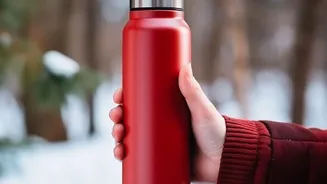

Understand Why Winter Dehydration Happens
Dehydration is often seen as a summer problem, but it poses a hidden risk in colder months. One of the main reasons is a blunted thirst response; research shows that our thirst signal can drop by up to 40% in cold weather. This means you're less likely
to feel thirsty even when your body needs fluids. Furthermore, the air itself plays a role. Cold outdoor air holds less moisture, and indoor heating systems create a dry environment that pulls moisture from your skin and body. You also lose a significant amount of water vapor just by breathing, a process that accelerates when the air is cold and dry. This invisible fluid loss can lead to fatigue, headaches, and dry skin.
Warm Up Your Water Routine
If a glass of ice-cold water doesn't sound appealing when it's chilly, you're not alone. The simple solution is to warm up your beverages. Herbal teas, warm water with a slice of lemon or ginger, and low-sodium broths can all count toward your daily fluid intake while providing a comforting warmth. Many people wonder if caffeinated drinks like coffee and tea are dehydrating. While caffeine has a mild diuretic effect, studies show that the water in these beverages more than compensates for it, especially for regular drinkers. So, your morning cup of tea or coffee does contribute to your hydration goals, though plain water should remain your primary source.
Eat Your Hydration
Approximately 20% of our daily fluid intake comes from the food we eat. Winter offers an abundance of hydrating produce and meals. Comforting foods like soups and stews are excellent choices for boosting fluid levels. Incorporating water-rich fruits and vegetables is another easy strategy. Oranges, which are over 85% water, are at their peak in winter and also provide a boost of Vitamin C. Other great options include apples (86% water), pears (84% water), and cucumbers (95% water). Vegetables like spinach, carrots, and tomatoes are also packed with water and can be easily added to salads, soups, or snacks.
Create Hydration Habits
Since you can't always rely on thirst, building intentional habits is key. Aim to drink about 8-10 glasses of fluid daily, though this amount can vary based on your activity level and body size. A simple way to stay on track is to carry a reusable water bottle with you throughout the day as a visual reminder. You can also link your water intake to other daily routines, such as drinking a glass after brushing your teeth or before each meal. For a more tech-savvy approach, consider using a smartphone app to set reminders and track your consumption.
Know the Subtle Signs
Because thirst is less reliable in the winter, it's important to recognise other signs of dehydration. These can be subtle and are often mistaken for other issues. Common indicators include fatigue, headaches, dizziness, dry or chapped skin, and muscle cramps. Another clear sign is the colour of your urine; if it's dark yellow or amber, it's a signal that you need to increase your fluid intake. Paying attention to these cues can help you address dehydration before it becomes more severe, ensuring your body functions optimally all season long.