






The Science of Smart Recovery
Post-workout recovery is not just about resting; it is about refuelling. When you exercise, you create tiny micro-tears in your muscle fibres. The body repairs these tears, making the muscles stronger, but it needs the right building blocks to do so.
The most important of these are amino acids, which are found in protein. A good recovery meal should provide ample protein to kick-start muscle protein synthesis, the process of rebuilding muscle. But it's not just about protein. Replenishing energy stores with carbohydrates and consuming minerals that support muscle function and reduce inflammation are also key. While whey protein has long been a popular choice, many plant-based foods offer a comprehensive package of nutrients that can be just as effective, if not more beneficial, for overall health.
Lentils: The Sustainable Powerhouse
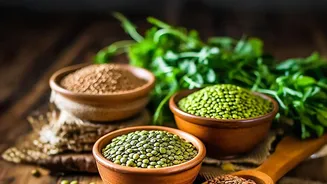
Often overlooked, lentils are a true nutritional giant. A single cooked cup provides around 18 grams of protein and is packed with slow-digesting carbohydrates and fibre. This combination provides sustained energy and helps replenish glycogen stores that are depleted during exercise. Lentils are also a rich source of iron, which is essential for transporting oxygen to working muscles and combating fatigue. While lentils are not a complete protein on their own—meaning they are low in one or more essential amino acids—this is easily solved. Pairing them with grains like rice or quinoa creates a complete amino acid profile, making for a perfect, budget-friendly recovery meal. Their high fibre content also supports digestive health, a cornerstone of overall wellness.
Tofu: The Complete Protein Builder
Tofu stands out in the plant kingdom because it is a 'complete protein'. This means it contains all nine essential amino acids your body needs for muscle repair, similar to animal proteins. A standard serving can deliver a significant protein punch, with a half-cup of firm tofu containing about 22 grams. Beyond its impressive protein content, tofu is also a good source of minerals that are vital for athletic performance and recovery, including calcium, manganese, and magnesium. Magnesium, in particular, plays a key role in muscle function and can help reduce cramps and spasms. Tofu is incredibly versatile, absorbing the flavours of whatever it's cooked with, making it an easy addition to post-workout stir-fries, smoothies, or scrambles. It's low in calories and cholesterol-free, supporting both muscle gain and overall heart health.
Pumpkin Seeds: The Mineral-Rich Finisher
Don't let their small size fool you; pumpkin seeds are a nutritional powerhouse, especially for recovery. They are a great source of plant-based protein and healthy fats, but their real advantage lies in their incredible mineral density. They are one of the best natural sources of magnesium, a mineral crucial for muscle relaxation, energy production, and nerve function. Many people are deficient in magnesium, which can hinder recovery and athletic performance. Pumpkin seeds are also packed with zinc, another vital mineral for repairing tissues and supporting the immune system, which can be stressed after intense exercise. Sprinkling a handful of pumpkin seeds on your post-workout meal or having them as a snack provides these key recovery nutrients, along with antioxidants that help fight inflammation.
The Ultimate Swap: Better Together
While each of these foods is a star in its own right, they work even better as a team. A meal that combines lentils, tofu, and a sprinkle of pumpkin seeds creates a recovery synergy that's hard to beat. You get complete protein from the tofu, sustained energy and iron from the lentils, and a crucial dose of magnesium and zinc from the pumpkin seeds. This combination ensures all your nutritional bases are covered: muscle repair is initiated, energy stores are refilled, and key minerals are replenished to reduce soreness and support function. Swapping out a simple protein shake for a whole-food meal like a tofu and lentil curry topped with pumpkin seeds provides a broader spectrum of nutrients, including fibre and antioxidants, that support not just your muscles, but your entire body. This trio proves that a plant-based approach to recovery can be comprehensive, delicious, and incredibly effective.