







Why Your Itinerary Needs Breathing Room
A common mistake when planning a trip to God’s Own Country is creating a tightly packed schedule. While it’s tempting to squeeze in every destination from Kochi to Munnar and Alleppey, the reality of travel in Kerala requires a more flexible approach.
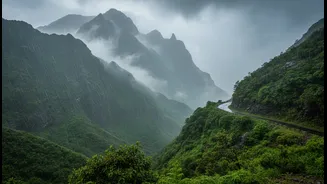
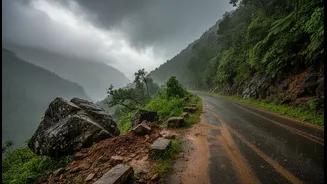
The journey is often as much a part of the experience as the destination, with winding roads through hill stations and scenic coastal routes. However, travel times can be unpredictable. A journey that should take four hours can easily stretch to six or seven due to sudden rain, traffic congestion, or local road conditions. Recent news from this monsoon season highlights these vulnerabilities, with heavy rains causing landslides, road blockages, and significant travel disruptions across the state. One recent incident involved a fatal landslide at a tunnel construction site in Wayanad, triggered by torrential downpours. Such events, while extreme, underscore the importance of not scheduling back-to-back activities or long-distance drives without a cushion.
The Monsoon's Double-Edged Sword
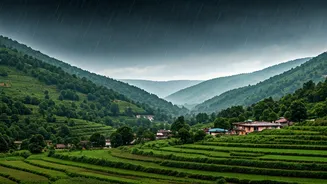
Visiting Kerala during the monsoon (roughly June to September) is an experience like no other. The landscape transforms into a vibrant, rain-washed paradise, waterfalls like Athirappilly are at their most spectacular, and tourist crowds are thinner. It’s also considered the best season for Ayurvedic treatments. However, this is also the primary reason for unpredictability. Heavy downpours can lead to localised flooding and, in hilly areas like Munnar and Wayanad, increase the risk of landslides which can make trails and even roads inaccessible. It’s common for trekking routes to be closed and for swimming at beaches like Kovalam and Varkala to be prohibited due to rough seas. While the rain often comes in intervals, its intensity can disrupt plans for outdoor activities, making a rigid schedule impractical. Travellers are advised to stay updated on local weather forecasts and remain flexible.
The Logic of Backup Accommodation
The idea of booking a backup stay might seem excessive, but it can be a trip-saver, especially if you plan to stay in remote or eco-sensitive areas. While major hotels in cities are generally reliable, smaller guesthouses, homestays, or remote resorts in areas like the backwaters or hill stations can sometimes face challenges. These can range from power outages to, more seriously, being cut off by a flooded or blocked road. In some cases during severe weather, properties in landslide-prone zones can pose safety risks. Having a Plan B—perhaps a cancellable booking at a more accessible hotel in a nearby town—provides a safety net. It ensures that if your primary choice becomes unreachable or experiences issues, you have a comfortable and safe alternative without the stress of a last-minute scramble for a room.
A Practical Guide to Building Buffers
So how do you put this into practice? The simplest rule of thumb is to add a buffer day for every four or five days of your trip. If your itinerary is seven days long, plan activities for six and leave the seventh free. This day can be used to catch up if a previous day's travel was delayed, or simply as a day to relax and explore locally if everything has gone to plan. When booking, prioritise flexible options. Many online platforms allow you to book accommodation with free cancellation up to a certain date. For transport, especially in the hills, consider hiring a local driver. They are experienced with the terrain and can navigate changing conditions more safely and effectively. Before setting out for the next destination, especially during the monsoon, it's wise to call your next hotel or host to check on local conditions.
Beyond the Weather
While the monsoon is a major factor, other uniquely Keralan realities make buffer time a good idea year-round. The state is known for occasional 'hartals' or local strikes, which can bring transportation and commerce to a sudden halt. Though less frequent now, they can still disrupt travel plans unexpectedly. Furthermore, during peak tourist season (October to February), popular spots can become very crowded, leading to longer waits and traffic. Simply having extra time built into your schedule allows you to navigate these potential hurdles with patience instead of panic. A leisurely pace allows you to absorb the culture, enjoy a spontaneous cup of chai during a rain shower, and truly connect with the place, rather than just ticking off a checklist.