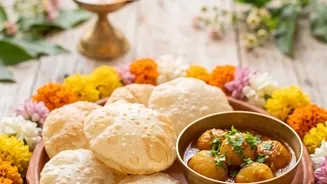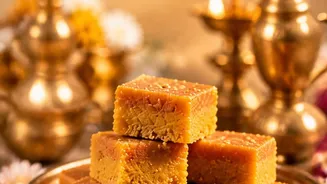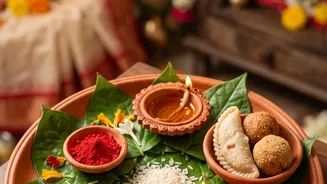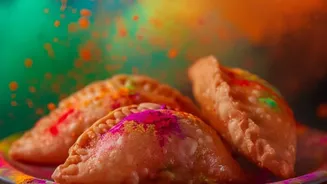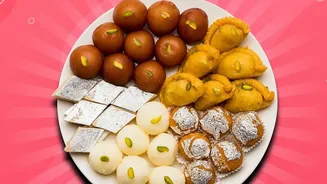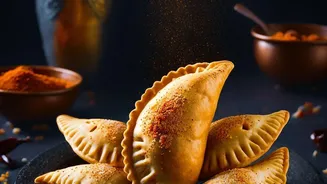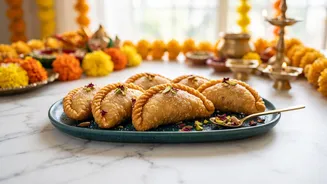





As Diwali approaches, the air fills with a familiar, festive buzz. For many, the heart of the celebration is in the kitchen, where traditional sweets are prepared with love. Among these, the gujiya stands out as an undisputed champion.
A Tradition Wrapped in Dough
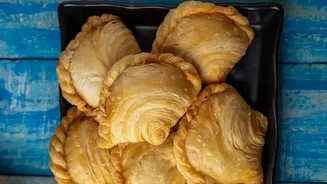
Gujiya, a crescent-shaped
pastry, is more than just a sweet; it's a cherished ritual. Known by various names across India—Karanji in Maharashtra, Ghughra in Gujarat, or Purukiya in Bihar—its presence on the Diwali platter is a non-negotiable tradition in countless households. These golden-fried parcels symbolise the joy and abundance of the festive season. The act of making them is often a communal affair, with family members gathering to roll, stuff, and pleat the delicate pastries, sharing stories and laughter along the way. It is this spirit of togetherness, folded into every layer of dough, that makes the gujiya a true taste of home during the festival of lights.
The Soul of the Gujiya: The Filling
The heart of a perfect gujiya lies in its rich, aromatic filling. The classic recipe calls for a delightful mixture of khoya (also known as mawa), which are dried evaporated milk solids, combined with desiccated coconut and fine semolina (sooji). This base is then elevated with a generous helping of chopped nuts like almonds, cashews, and pistachios, providing a wonderful textural contrast. Aromatic spices, particularly powdered green cardamom and sometimes a hint of nutmeg, are essential for that signature festive fragrance. The sweetness typically comes from powdered sugar, which is mixed in after the khoya and semolina mixture has been roasted and cooled, ensuring a perfectly balanced and crumbly texture that melts in your mouth.
Crafting the Perfect Crisp Shell
The mark of a superior gujiya is its shell: it must be crisp, flaky, and blistered, yet sturdy enough to hold the generous filling. The secret lies in the dough. The classic dough is made with all-purpose flour (maida) and a crucial ingredient known as 'moyan'—fat added to the flour. Ghee is the traditional and most flavourful choice. The key is to rub the ghee into the flour thoroughly until the mixture resembles breadcrumbs. This process is vital for creating a short, crisp pastry. The dough should be kneaded with just enough water to form a firm, but pliable consistency—not too soft, as that leads to soggy pastries, and not too hard, as that makes it difficult to roll. After kneading, the dough must be rested under a damp cloth for at least 30 minutes. This allows the gluten to relax, making the dough easier to roll out thinly and evenly.
The Art of Frying
Frying gujiya is an exercise in patience that pays delicious dividends. The most common mistake is frying them in oil that is too hot. This causes the outside to brown too quickly while leaving the inside raw, and it often results in a soft, rather than crisp, pastry. The ideal technique is to fry the gujiyas in ghee or oil over a consistently low to medium-low heat. When you first drop them in, they should sink to the bottom and then slowly rise to the surface, covered in tiny bubbles. This slow frying process ensures that the pastry cooks through evenly, developing that coveted crispness and signature blistering on the surface. Fry them in small batches to avoid overcrowding the pan and to maintain a stable oil temperature, turning them occasionally until they are a beautiful, even golden-brown.
Tips for Flawless Gujiyas
To ensure success, keep a few key pointers in mind. Firstly, make sure the filling is completely cool before you start stuffing the pastries, as a warm filling can make the dough soggy and cause it to tear. When sealing the gujiyas, moisten the edges of the dough circle with a little water before folding it over. This helps create a strong seal. Press the edges firmly to prevent the filling from leaking out during frying. While a decorative pleated edge, made by hand, is traditional, using a gujiya mould is a fantastic shortcut for beginners to get a perfect shape and a secure seal every time. Finally, do not skip resting the dough; it is a simple step that makes a world of difference to the final texture.