
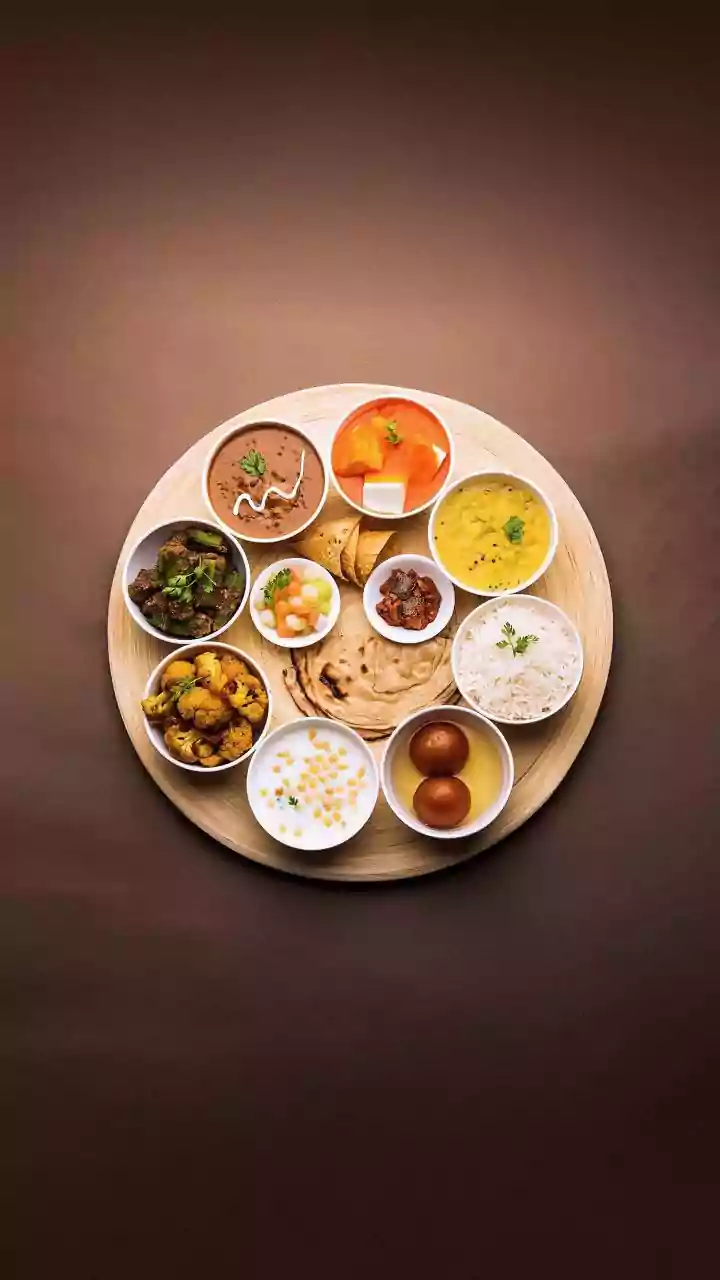




The Great Indian Menu, Standardised
Across the length and breadth of India, a culinary homogenisation is underway. From Bengaluru to Kolkata, the menus of many restaurants, especially those catering to a broad audience, have begun to look remarkably similar. The rich tapestry of India's
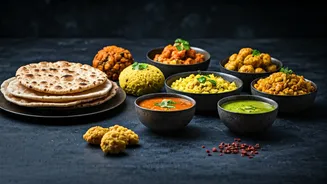
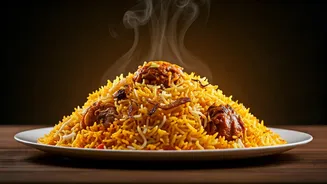
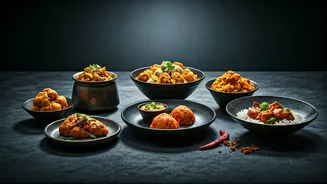
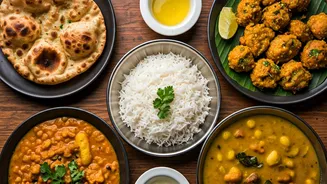
regional cuisines—a universe of distinct flavours shaped by millennia of unique history, climate, and culture—is increasingly being overshadowed by a handful of popular, predominantly North Indian dishes. These dishes, often rich, creamy, and mildly spiced, have become the de facto 'Indian food' for many. This isn't just about restaurants; the trend seeps into our homes, shaped by food delivery apps and cooking shows that promote a single, marketable idea of what Indian food should be. While this standardisation makes the cuisine more accessible, it also raises a critical question: what is being lost in the process?
The Commercial Kitchen's Calculation
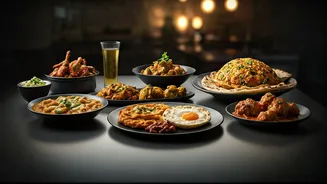
The reasons behind this shift are complex, but commercial pressures play a significant role. For restaurant chains and large establishments, a standardised menu is efficient. It simplifies sourcing ingredients, streamlines kitchen operations, and makes it easier to train chefs, creating a consistent product across all outlets. The rich, Mughlai-influenced cuisine of North India, with its tandoori specialities and familiar gravies, lends itself well to this model. It has a long history of being restaurant-friendly, having been popularised by establishments for decades. Furthermore, the rise of digital menus and delivery platforms reinforces this standardisation. When a dish like 'butter chicken' is listed, there's a customer expectation of a certain taste, forcing kitchens to adhere to a documented, repeatable recipe.
Migration, Metros, and Melding Pots
India’s rapid urbanisation and internal migration are also stirring this melting pot. As people move from their hometowns to bustling metros for work and education, they seek the comfort of familiar food. Often, what they find is not their specific regional dish, but a generalised 'North Indian' or 'Indian' meal that serves as a palatable common ground. A student from South India living in Delhi might find it difficult to find authentic local food and may instead adapt to the widely available North Indian fare. This creates a feedback loop: as demand for this standardised cuisine grows, more establishments cater to it, further cementing its dominance in the urban food landscape.
The Fading Flavours and Forgotten Feasts
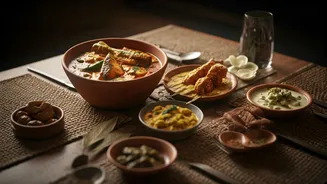
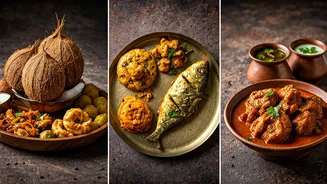
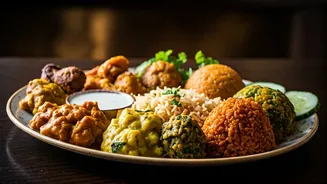
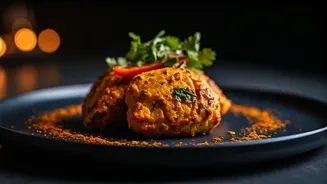
The consequence of this culinary consolidation is the gradual fading of countless regional and hyper-local recipes. Dishes that were once staples in community kitchens are now becoming rare. Think of Koshur Haakh from Kashmir, a simple but flavourful dish of collard greens, or Chitol Macher Muitha from Bengal. These preparations often rely on local, seasonal ingredients—foraged greens, specific tubers, or sun-dried vegetables—and time-honoured techniques that don't easily scale for a commercial kitchen. As lifestyles change and younger generations move away from traditional cooking, this ancestral knowledge is at risk. Each forgotten recipe represents more than just a dish; it's a loss of history, culture, and a unique way of engaging with the local environment.
A Culinary Counter-Revolution
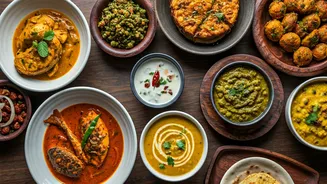
However, the story is not one of irreversible loss. A powerful counter-movement is quietly gaining momentum, driven by a renewed appreciation for authenticity and heritage. A new generation of chefs, food bloggers, and culinary enthusiasts are championing regional and micro-cuisines, bringing them from home kitchens to the forefront of fine dining. Restaurants are now curating menus around specific regional traditions, from the tribal foods of Odisha to the coastal delicacies of Goa. This isn't just about nostalgia; it's about preserving heritage with a modern sensibility. Diners are becoming more curious, seeking stories behind their food and valuing seasonality and sustainability. Social media has become a crucial platform for this revival, with home chefs and storytellers giving regional food a much-deserved spotlight, ensuring that India's food map continues to be redrawn with diversity and pride.