





The Humidity Trap: Why It Feels Hotter Than It Is
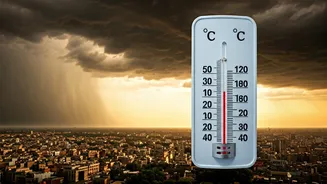
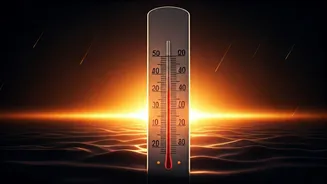
The thermometer might read 41 degrees Celsius, but the 'feels like' temperature, or heat index, has been soaring past 50 degrees. This isn't an illusion; it's a phenomenon driven by extreme humidity. Normally, your body cools itself by sweating. The sweat evaporates
from your skin, taking heat with it. But when the air is already saturated with moisture — as it is in Delhi right now with humidity levels ranging between 37% and 70% — evaporation slows down dramatically. The sweat can't go anywhere, effectively disabling your body's natural air conditioning. This mix of dry westerly winds from Pakistan keeping temperatures high and moist southwesterly winds from the Arabian Sea pumping humidity into the region has created this oppressively sticky and dangerous heat.
Decoding 'Heat Stress'
This combination of heat and humidity leads to a condition known as 'heat stress'. It's a broad term for a range of heat-related illnesses that occur when your body can no longer control its internal temperature. In this pre-monsoon period, the high wet-bulb temperature — a measure combining heat and humidity — is the real danger. When the wet-bulb temperature rises, the risk of heat exhaustion and heatstroke increases rapidly because the body cannot shed heat. Symptoms can start with dizziness and fatigue but can quickly escalate to heat exhaustion (heavy sweating, nausea, weak pulse) and the life-threatening condition of heatstroke, where the body's temperature regulation fails completely, potentially leading to organ failure. Even nights offer little relief, with minimum temperatures staying several notches above normal, a phenomenon known as “warm nights” that prevents the body from recovering.
Who Is Most at Risk?
While everyone feels the discomfort, some groups are far more vulnerable to severe heat stress. This includes outdoor workers, the elderly, infants and young children, and individuals with chronic health conditions like heart disease, hypertension, or respiratory problems. Their bodies are less efficient at regulating temperature, making them susceptible to the compounding effects of relentless heat. The government has issued health advisories urging special care for these vulnerable populations, as prolonged exposure can rapidly become a medical emergency.
A Survival Guide for the Pre-Monsoon Heat
Navigating this period requires more than just waiting for the rain. Authorities and health experts strongly advise staying hydrated by drinking plenty of water, coconut water, or buttermilk, and avoiding dehydrating drinks like alcohol and caffeine. It is crucial to limit strenuous outdoor activity, especially during the peak afternoon hours. If you must be outside, wear light, loose-fitting cotton clothing to allow for what little air circulation is possible. Eating lighter meals and cooling foods like cucumber and watermelon can also help. Recognizing the early warning signs of heat stress—dizziness, excessive fatigue, or confusion—in yourself and others is critical to preventing a medical emergency.
When Will Relief Arrive?
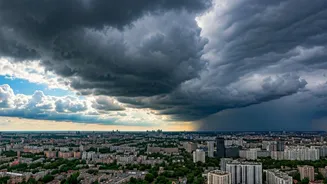
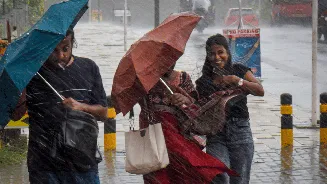
So, when will the monsoon finally break this fever? The normal date for the monsoon's arrival in Delhi is around June 27. However, its progress has been delayed. While the India Meteorological Department (IMD) has forecast thunderstorms and scattered showers, which may cause temperatures to dip slightly, the full onset of the monsoon is now expected around July 4, provided conditions remain favourable. Until then, Delhi must remain vigilant. The clouds may look promising, but the real relief will only come when the sustained rainfall washes away both the heat and the humidity.