



The Peak of Plant-Based Milk
It’s hard to overstate the cultural moment oat milk had. It frothed perfectly in cappuccinos, answered the call for dairy-free alternatives, and carried an aura of urban wellness. The Indian oat milk market saw significant growth, projected to expand
at a compound annual growth rate (CAGR) of over 10% between 2026 and 2034. [21, 25] It became a staple in cafes and a symbol of conscious consumption. [15] Yet, like all trends, it may be reaching a natural plateau. While still popular, the initial explosive energy has settled, making space for consumers to ask, "What's next?"
A Renaissance for Ancient Grains
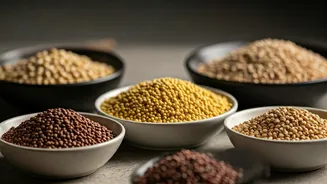
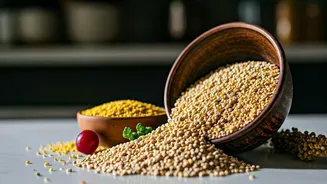
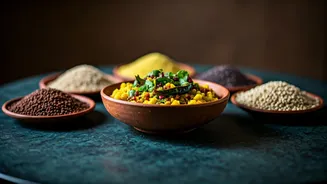
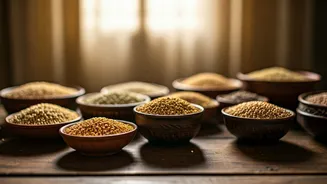
The answer, it seems, lies not in a lab but in our own history. Millets like bajra (pearl millet), jowar (sorghum), and ragi (finger millet) are experiencing a powerful renaissance. [3] Once staples of the Indian diet, these grains were often dismissed in favour of wheat and rice. [7, 10] Now, driven by a renewed focus on health, sustainability, and local pride, millets are making a comeback. [3] This isn't just about nostalgia; it’s a conscious consumer shift towards whole, traditional foods and ingredients with deep regional roots. [5, 8]
From Humble Roti to Chic Salad
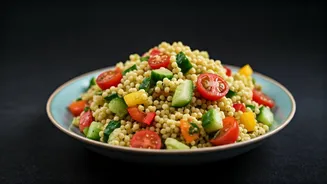
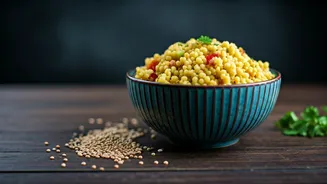
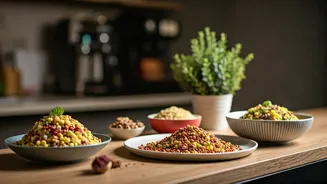
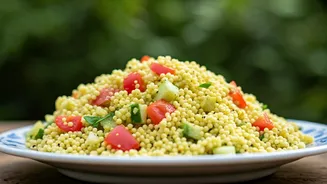
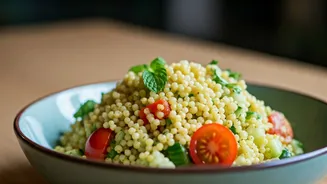
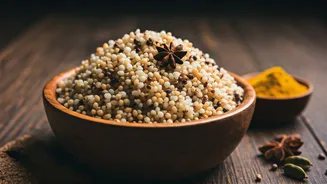
The most visible sign of this shift is how bajra is being consumed. Traditionally found in rotis and khichdi, especially during winter, bajra is now being reimagined for the modern palate. [22, 23] Chefs and home cooks are using the cooked grain as a base for vibrant, textured salads, packed with fresh vegetables, herbs, and zesty dressings. [3, 19] This evolution from a rustic staple to a versatile salad ingredient shows a larger trend: the desire for meals that are both healthy and convenient, without compromising on flavour or nutritional integrity. [4, 11]
The Nutritional Edge
When you compare the two, the appeal of bajra becomes even clearer. While commercial oat milk can be a convenient dairy alternative, it is often a processed product. Bajra, on the other hand, is a whole grain powerhouse. [14] It is naturally gluten-free and has a low glycemic index, making it excellent for managing blood sugar. [16, 17] It's packed with dietary fibre, which aids digestion and promotes a feeling of fullness, supporting weight management. [20, 22] Furthermore, it is a rich source of essential minerals like magnesium, iron, and phosphorus, which are crucial for heart and bone health. [13, 20]
A Return to Mindful Eating
Ultimately, the rise of bajra salads over the 'energy' of oat milk signifies a deeper maturation in India's wellness culture. It represents a move away from chasing global trends and toward celebrating local, sustainable, and nutritionally dense foods. [2, 8] This isn't about declaring a winner between a grain and a plant-based milk. Instead, it’s about a collective shift in consciousness. It's the recognition that true wellness can be found in the ingredients that have nourished generations, now presented in a form that fits our contemporary lives. The energy is shifting from imported ideals to homegrown wisdom.