




A Return to Our Roots
There's a noticeable shift in how we approach healthy eating. The allure of exotic, expensive 'superfoods' is giving way to a deeper appreciation for the ingredients that our grandparents swore by. [29] This isn't just about nostalgia; it's a conscious
move towards sustainability, affordability, and cultural pride. As we look for answers to modern lifestyle ailments, many are finding that the solutions are not in foreign fads but in our own backyards and traditional food wisdom. [5, 26] From the forgotten millets that once dominated our fields to the everyday spices now hailed for their medicinal properties, Indian heritage foods are reclaiming their rightful place on the wellness table. [7, 27]
Millets: The Ancient Grains Reimagined
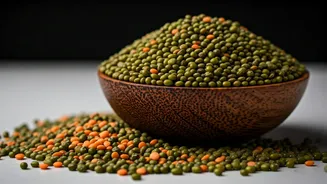
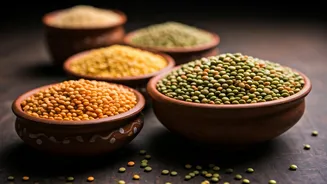
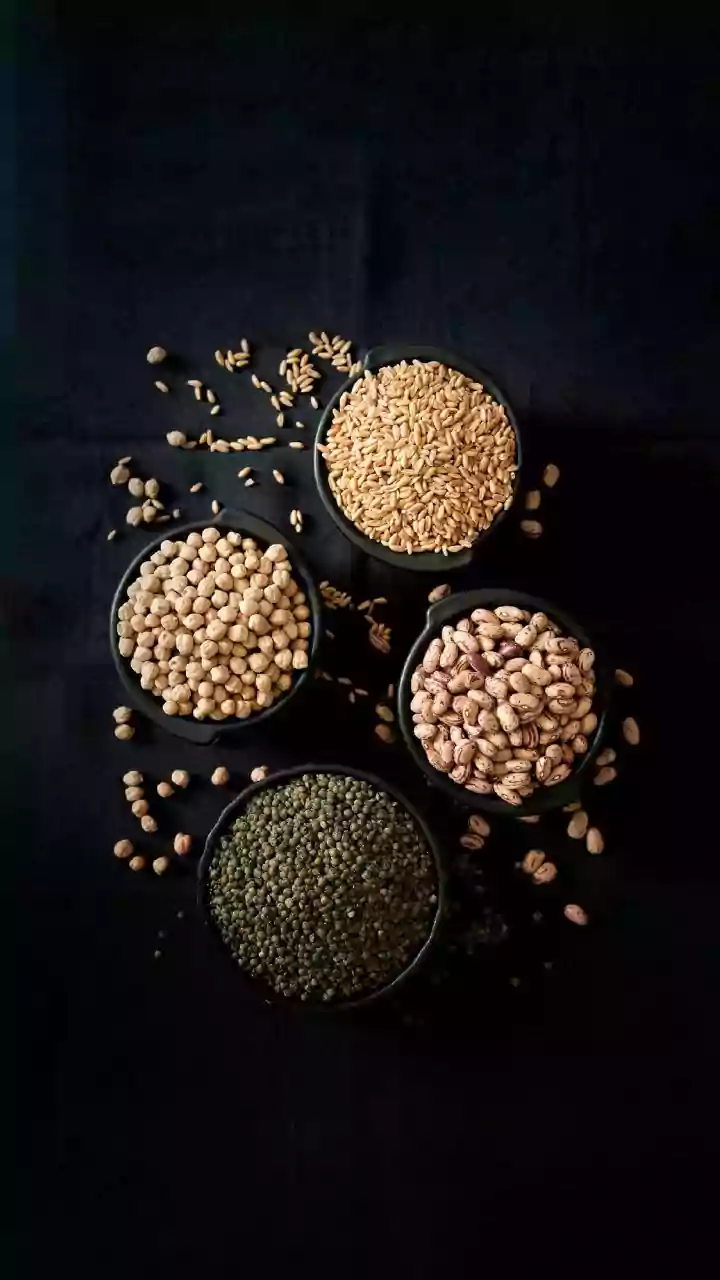
Before wheat and rice became dominant, millets like ragi (finger millet), jowar (sorghum), and bajra (pearl millet) were the staples of the Indian diet. [7, 28] These hardy, drought-resistant grains were once considered “poor man's food” but are now celebrated for their impressive nutritional profiles. [7, 14] Rich in fibre, protein, essential minerals like iron and calcium, and naturally gluten-free, millets are excellent for managing blood sugar levels and improving digestive health. [12, 23] The United Nations' declaration of 2023 as the International Year of Millets put a global spotlight on these grains, validating what our ancestors knew all along: they are a cornerstone of a nutritious and sustainable diet. [7, 16]
Moringa: The Backyard Miracle Tree
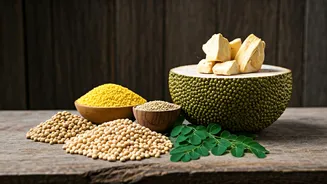
Known as the drumstick tree, Moringa oleifera is a plant where almost every part is edible and medicinal. [9] While moringa powder is now a trendy supplement globally, the leaves, flowers, and drumsticks have been a part of regional Indian cuisine for centuries, particularly in the south. [8, 10] Moringa leaves are a nutritional powerhouse, packed with more vitamin C than oranges and more calcium than milk. [11] Used in Ayurveda for its anti-inflammatory and antioxidant properties, moringa is known to help regulate blood sugar, support brain health, and boost immunity. [8, 9, 10] Its journey from humble backyard tree to global superfood is a testament to the potent wisdom of traditional Indian food practices. [8]
Jackfruit: The Versatile Giant
Long regarded as a humble staple, especially in southern states like Kerala, jackfruit (kathal) is finally being recognised for its incredible versatility and health benefits. [19, 20] When unripe, its fibrous, meat-like texture makes it a popular plant-based substitute in curries and stir-fries. [21] Ripe jackfruit is a sweet, fragrant fruit enjoyed on its own. Nutritionally, it is a fantastic source of dietary fibre, which aids digestion and helps manage cholesterol and blood sugar levels. [13, 24] It's also rich in vitamins A and C, potassium, and antioxidants, supporting everything from immune function to heart health. [13, 20]
The Wisdom of the Indian Kitchen
The return to heritage is about more than just individual ingredients. It’s about embracing the holistic wisdom of Indian culinary traditions. It’s in the everyday use of spices like turmeric (haldi) for its anti-inflammatory curcumin, ginger for digestion, and cumin for gut health. [2, 3] It's in the practice of fermentation for gut-friendly foods like idli and dosa. [27] It's the appreciation for ghee, a healthy fat prized in Ayurveda for its nourishing qualities. [27] This movement isn't about rejecting modern science but integrating it with the time-tested knowledge passed down through generations. By looking inward, we are finding that a healthy, balanced, and fulfilling way of life has been a part of our culture all along. [26]