




The End of an Era for Takeout
For years, the office lunch in India was a familiar routine: a quick takeaway from a nearby restaurant, a meal from the office canteen, or a delivery app order. While convenient, this often came at a cost to both the wallet and our health. The daily expense
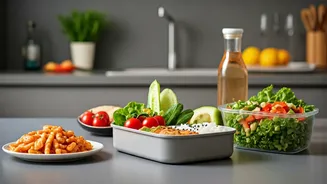
adds up, and the nutritional value can be questionable. [19] Today, a significant shift is underway. Driven by a greater focus on wellness, budget-consciousness, and a desire for better quality food, office-goers are taking back control of their midday meal. [7, 18] Preparing lunch at home is no longer seen as a chore but as a smart lifestyle choice that saves money, reduces stress, and ensures you're eating something you genuinely enjoy. [6, 11] This movement is about more than just food; it's a form of self-care and a commitment to a more balanced and productive workday. [2, 19]
The Rise of the Bento Box
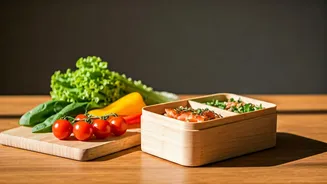
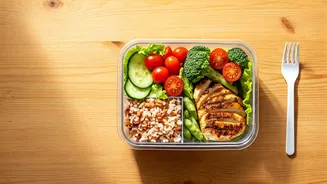
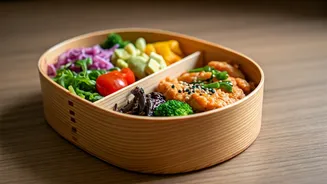
At the forefront of this transformation is the Japanese bento box. Far more than just a container, the bento concept is a philosophy of balance, portion control, and visual appeal. [22] These compartmentalized boxes, much like a traditional Indian thali, allow for a variety of items to be packed neatly without them mixing. [22, 23] This has resonated deeply in Indian corporate culture, where professionals are seeking organized, mess-free, and attractive meal solutions. [9] A typical office bento might feature a portion of brown rice or quinoa, a protein like grilled paneer or chicken, a couple of vegetable sides, and perhaps some fruit or nuts. [22] The design inherently encourages portion control and a balanced intake of different food groups, aligning perfectly with modern wellness goals. [9, 22] Several Indian restaurants and cloud kitchens are even offering bento-style deliveries, catering to local tastes with options like paneer teriyaki or masala rice balls. [9, 23]
Bowls, Jars, and Deconstructed Lunches
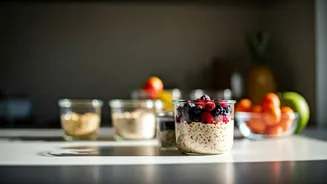
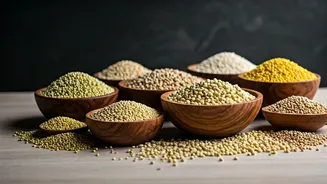
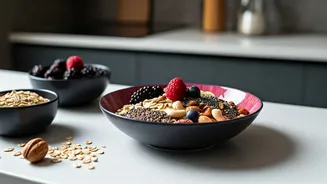
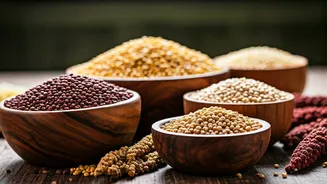
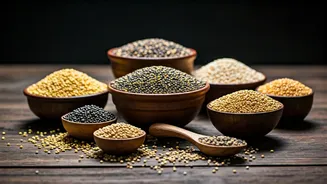
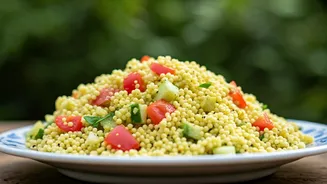
Beyond the bento, other trends are making lunchtime exciting. Grain bowls and mason jar salads are incredibly popular for their customizability and portability. [5] A base of grains like millets or quinoa can be topped with an endless combination of roasted vegetables, proteins, and flavourful dressings, prepped and ready to go. Jar salads, where dressing is layered at the bottom and greens at the top, stay fresh until you're ready to shake and eat. Another innovative trend is the 'deconstructed' lunch. [24] Instead of a pre-mixed dish that can become soggy, you pack the components separately and assemble them just before eating. [27, 29] Think of it as a DIY meal kit: pack tortillas and separate containers of seasoned beans, salsa, and shredded lettuce for fresh tacos, or bring rice paper wrappers to assemble your own spring rolls at your desk. [27] This approach ensures every element stays at its best, providing a much more satisfying and texturally interesting meal. [26]
A Recipe for a Better Workday
The benefits of this lunchtime transformation extend far beyond the plate. Employees who meal prep often report having more stable energy levels throughout the afternoon, avoiding the post-lunch slump that can follow a heavy, processed meal. [18] Consistent, nutritious lunches contribute to improved focus, cognitive function, and overall productivity. [2] The act of preparing one's own food also builds nutritional awareness and skills, empowering individuals to make healthier choices consistently. [7] Furthermore, it is a powerful tool for managing dietary restrictions, from gluten-free to vegan, without the stress of deciphering restaurant menus. [2] By removing the daily decision fatigue of what to eat, meal prepping frees up mental space and reduces stress, contributing to a more positive and balanced work-life dynamic. [11]