


Start With the Bed
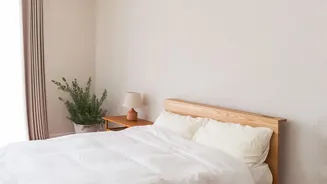
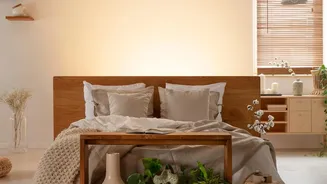
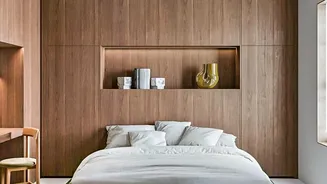
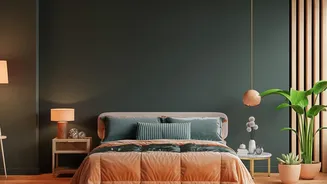
The bed is the largest piece of furniture and the room's natural focal point, so its position is crucial. The most common and effective strategy is to place the bed against the longest uninterrupted wall. This arrangement often provides symmetry and makes
the room feel balanced. If possible, position it so it faces the doorway, which creates a more welcoming and open feel as you enter. While it can be tempting to push a bed into a corner to save space, this can make the room feel awkward and is often impractical, especially if two people use the bed. Aim to leave at least 24-30 inches of walking space on either side to maintain a clear path and avoid a cramped feeling.
Create Clear Pathways
One of the quickest ways to make a small room feel chaotic is to have cluttered or blocked walkways. Before you move anything, think about your daily routine. How do you walk from the door to the closet, or to the window? These primary traffic routes should remain clear. A good layout prioritizes function and flow. Arrange furniture against the walls to keep the central area open. This simple act of creating an unobstructed path from the door to the other side of the room can dramatically change the perception of space, making your bedroom feel more organised and significantly larger than it is.
Think Vertically
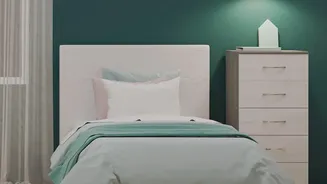
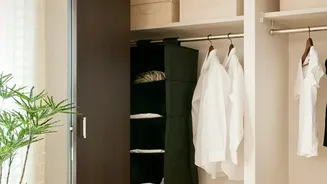
When floor space is limited, the only way to go is up. Your walls are often underutilised real estate. Instead of a wide, low dresser that eats up precious floor area, consider a taller, more slender chest of drawers. This provides the same amount of storage while occupying a smaller footprint. Wall-mounted shelves are another excellent solution; they can hold books, decor, or even act as a nightstand without touching the floor. Taking wardrobes or bookshelves all the way to the ceiling draws the eye upward, creating an illusion of height and maximising every available inch for storage.
Rethink the Nightstand
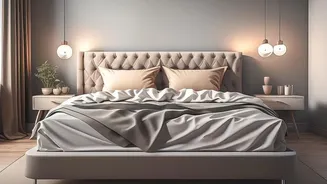
Traditional, bulky bedside tables are not always the best choice for a small room. In many cases, you can create more space and visual lightness by rethinking this staple. Floating shelves are a fantastic alternative, providing a surface for a lamp and a book without any floor clutter. If symmetry isn't serving your space, consider using a nightstand on only one side of the bed. You could also opt for a small pedestal table or even a slim cabinet that offers more storage than a standard nightstand. The goal is to provide function without adding unnecessary bulk.
Embrace Multi-Functionality
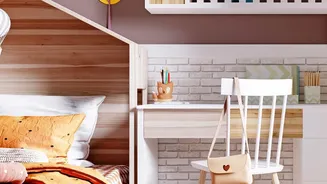
In a small bedroom, every piece of furniture should earn its keep. Look for items that serve more than one purpose. A bed with built-in drawers or a hydraulic lift base can eliminate the need for a separate dresser entirely. An ottoman with hidden storage can provide seating while also hiding away extra blankets or pillows. A wall-mounted desk can fold away when not in use, and a sturdy bookshelf can even double as a work or dressing table with a chair tucked underneath. Choosing multi-functional pieces is one of the smartest ways to maintain functionality while freeing up valuable floor space.
Use Mirrors and Light
While not furniture, the strategic placement of mirrors is a classic layout trick for a reason: it works. A large mirror can visually double the size of your room by reflecting light and creating an illusion of depth. Placing a mirror opposite a window is particularly effective, as it bounces natural light around the space, making it feel brighter and more airy. You can hang a large mirror on a wall or opt for a wardrobe with mirrored doors. Similarly, ensure your layout doesn't block natural light from windows. Using light curtains and layered artificial lighting—like a combination of a ceiling light and bedside lamps—prevents a room from feeling like a dim, small box.