



Why The Rains Wreak Havoc On Herbs
The biggest enemy of fresh herbs during the monsoon is excess moisture in the air. High humidity creates the perfect environment for mould and bacteria to thrive, causing delicate leaves to rot, turn slimy, and lose their aromatic oils. This is made worse
by the common mistake of washing herbs and storing them while still damp, which essentially creates a tiny swamp in your fridge. Understanding this is the first step to saving your herbs. The goal is not just to keep them cool, but to control the moisture around them, ensuring they stay dry, get some air circulation, and are stored in a way that preserves their unique characteristics.
Tackling Basil's Delicate Nature
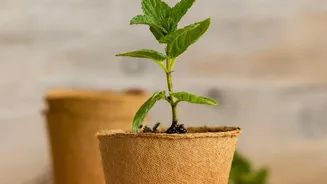
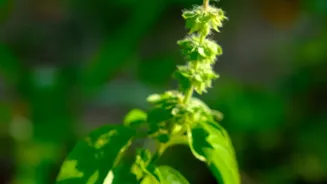
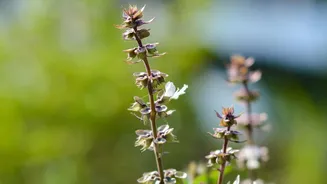
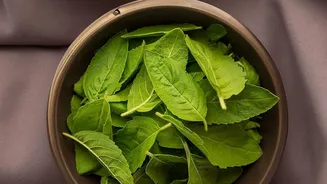
Basil is perhaps the most sensitive of the three and requires special handling. The number one rule: do not refrigerate fresh basil. The cold temperature damages its cells, causing the leaves to turn black and wilt quickly. Instead, treat it like a bouquet of fresh flowers. Trim the stems and place the bunch upright in a jar with about an inch of water. Leave it on your kitchen counter, away from direct sunlight. Loosely covering the leaves with a plastic bag can help maintain some humidity without trapping too much moisture, but ensure there is airflow. Remember to change the water every couple of days to keep it fresh. With this method, your basil can stay vibrant for a week or more.
Keeping Mint Fresh and Fragrant
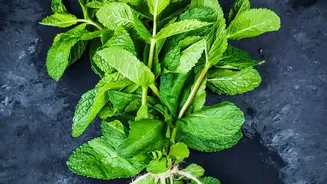
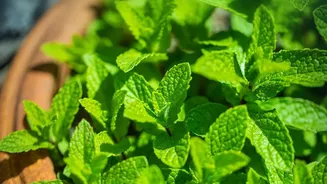
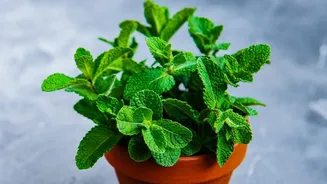
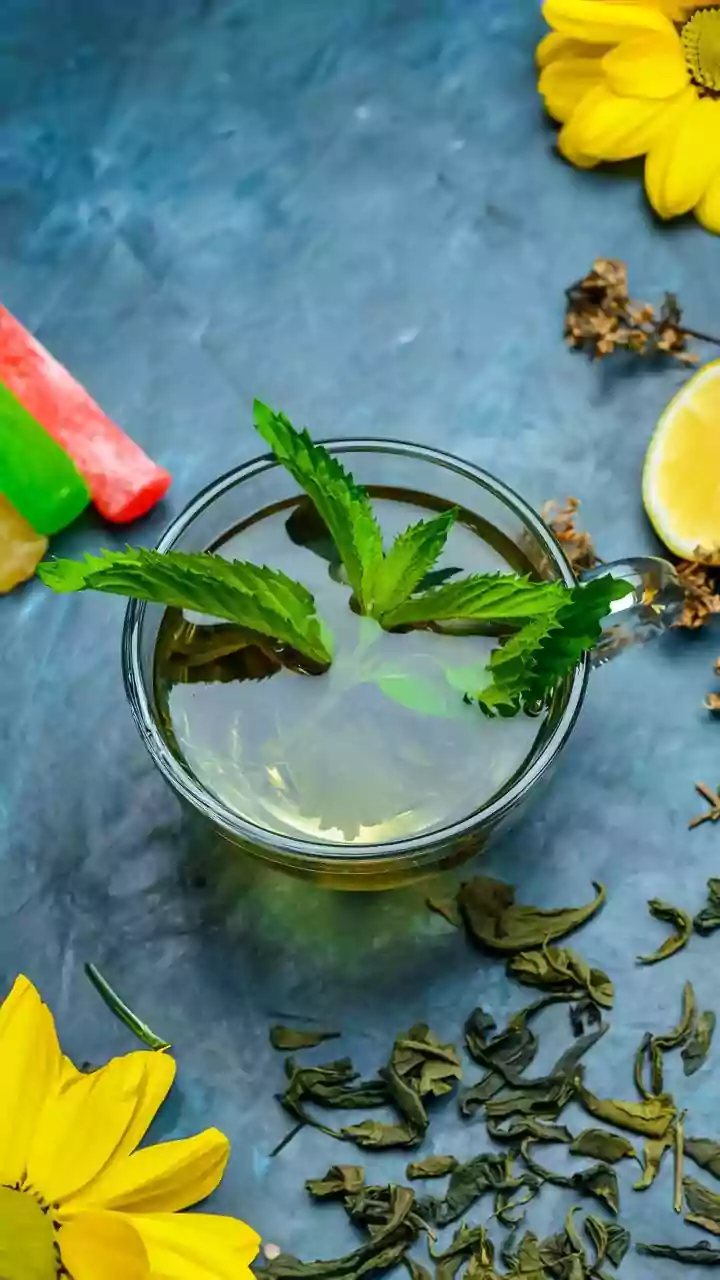
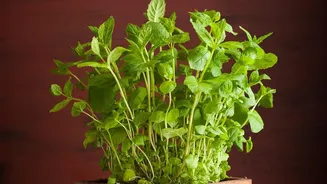
Mint is hardier than basil but still susceptible to the dampness of the rainy season. Unlike basil, mint fares well in the refrigerator. The key is to keep the leaves dry. After gently washing and thoroughly patting them dry, you have a couple of excellent options. One popular method is to wrap the mint stems in a slightly damp paper towel, place the bundle in a zip-top bag, and store it in the crisper drawer of your fridge. The paper towel provides just enough moisture to prevent wilting without making the leaves soggy. Alternatively, you can use the water jar method, similar to basil, but store the jar in the fridge instead of on the counter.
Preserving Lemongrass's Hardy Zest
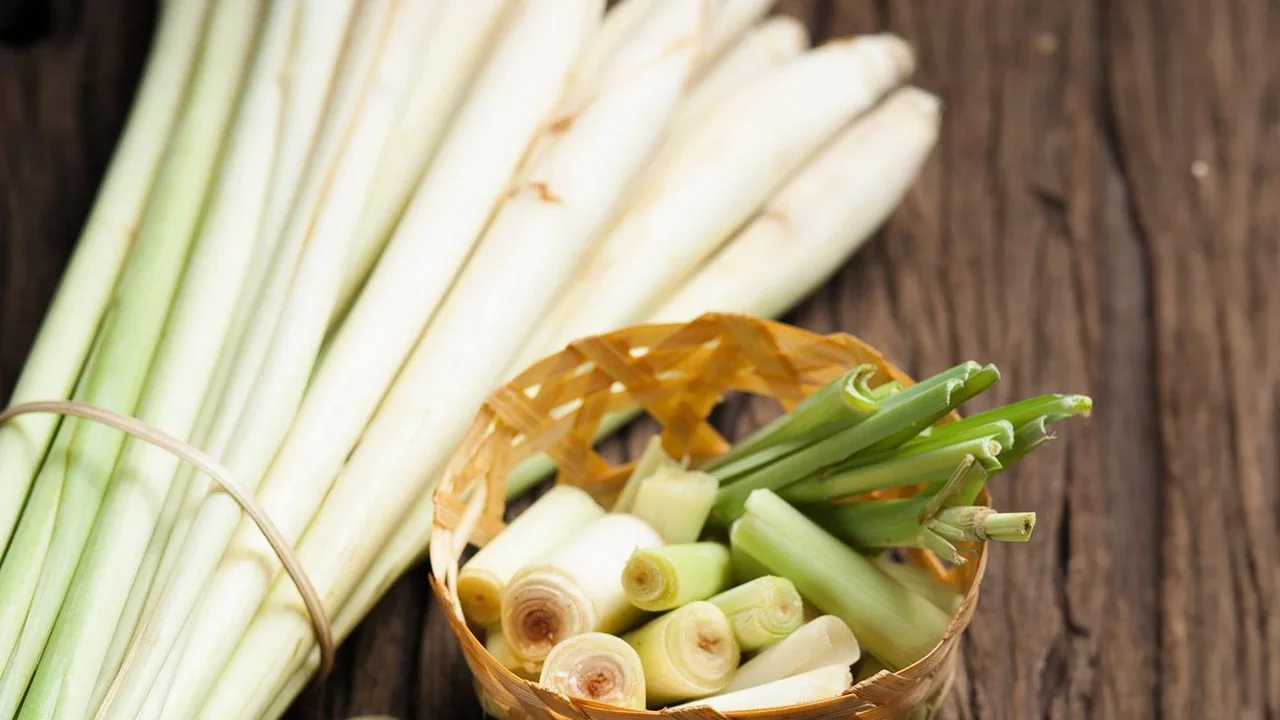
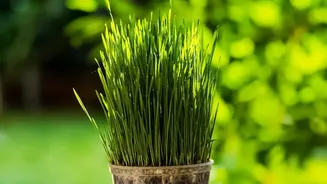
Lemongrass is much more resilient than leafy herbs, but it can still either dry out or develop mould if stored improperly. For short-term storage of up to a few weeks, wrap the stalks in a damp paper towel and then in plastic wrap or a zip-top bag. Store this in your refrigerator’s crisper drawer, which maintains an ideal temperature. For even longer storage, standing the stalks upright in a jar with an inch of water inside the fridge is also effective; just remember to change the water every few days. This method helps preserve the plant's volatile compounds that give it its signature fragrance.
Long-Term Storage For The Whole Season
When you have more herbs than you can use, freezing is your best friend. This is an excellent way to preserve their flavour for months, getting you through the entire rainy season. For basil and mint, you can chop the leaves, place them in an ice cube tray, top with a little water or olive oil, and freeze. Once frozen, transfer the cubes to a freezer bag. These are perfect for dropping directly into soups, stews, or sauces. Lemongrass also freezes beautifully. You can freeze the stalks whole by flash-freezing them on a baking sheet before transferring them to a freezer-safe container. Alternatively, you can chop it, puree it with a little water, and freeze it in ice cube trays for perfectly portioned flavour bombs.