

Beyond the Standard Menu
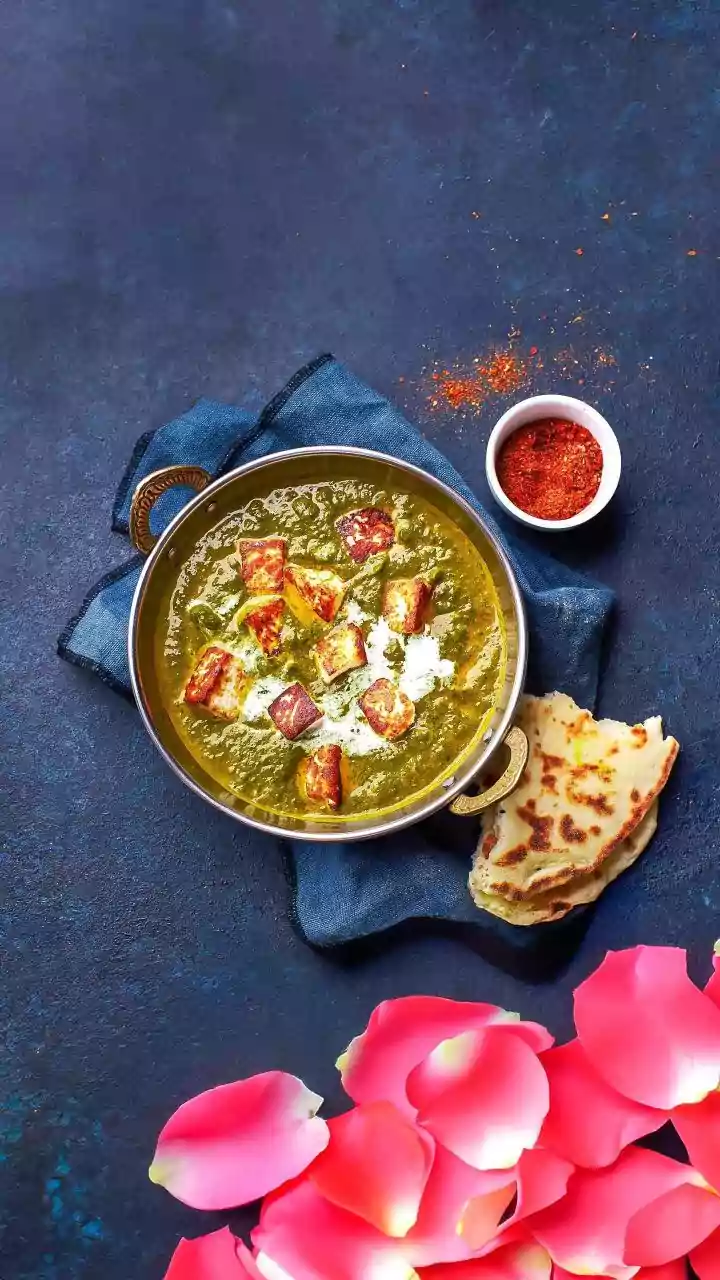
For years, the global and even national understanding of Indian cuisine was often limited to a handful of North Indian staples like Butter Chicken, Paneer Tikka, and Naan. While delicious, these dishes represent just a tiny fraction of the subcontinent's
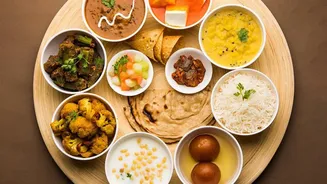
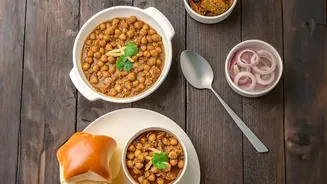
vast culinary landscape. Today, there's a growing movement among home cooks and professional chefs to look past this simplified menu. They are exploring the unique, hyperlocal dishes native to their own communities, from the fiery curries of the south to the subtle, slow-cooked preparations of the mountains. This shift is not just about finding new flavours; it's about dismantling the myth of a single 'Indian cuisine' and celebrating the incredible diversity that truly defines the nation's food culture.
A Delicious Form of Identity
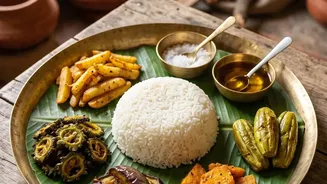
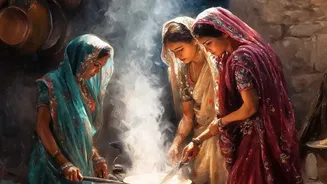
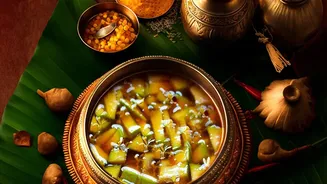
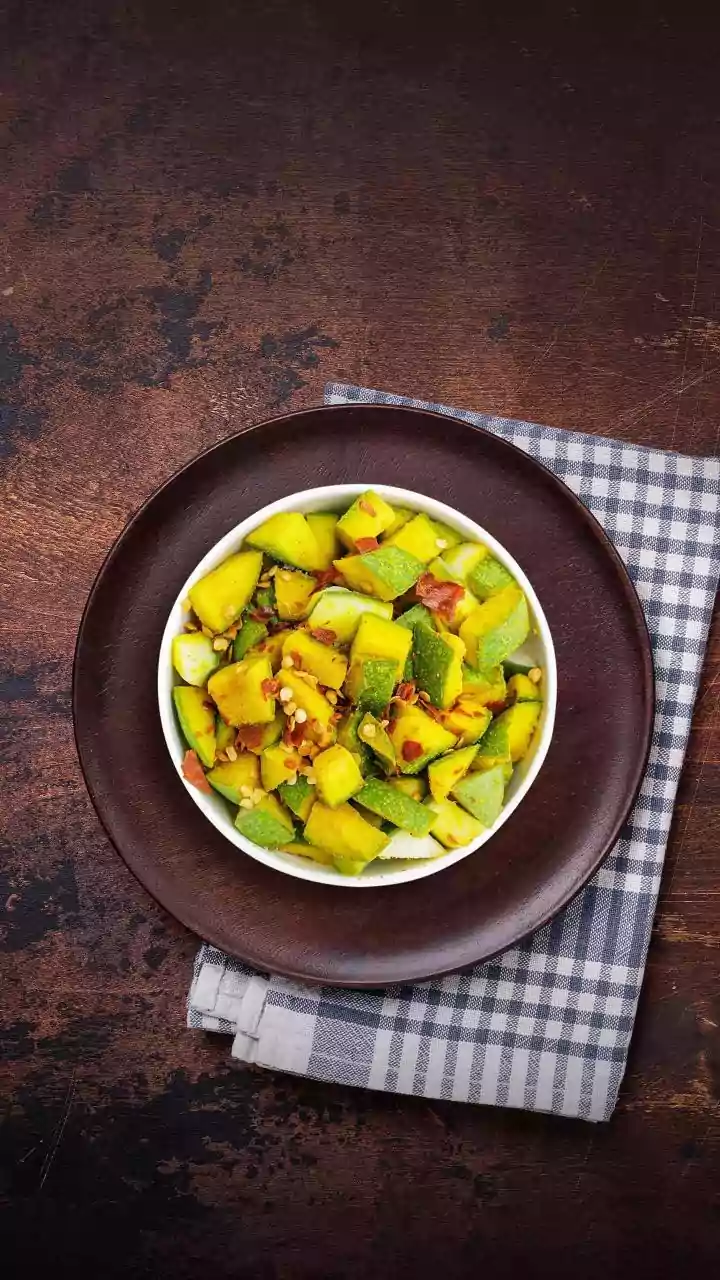
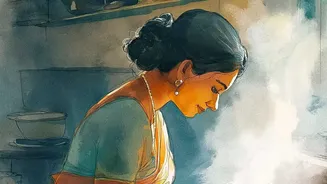
At the heart of this trend is a renewed sense of cultural pride. For many, cooking a dish passed down through generations is a tangible connection to their roots and family history. In a globalised world, preparing and sharing these heirloom recipes has become a way to preserve and assert cultural identity. These aren't just meals; they are stories on a plate, carrying with them the history, climate, and geography of a specific region. Whether it's a grandmother's recipe for a complex Bengali 'Shukto' or a simple 'Bhang Ki Chutney' from Uttarakhand, each dish is a declaration of heritage. This act of cooking becomes a way to honour ancestral wisdom and ensure these traditions are not forgotten.
The Digital Spice Route
Social media has become a powerful catalyst in this culinary revival. Platforms like Instagram and YouTube have turned into a digital spice route, allowing home cooks and food bloggers to share once-hidden regional gems with a massive audience. A short, captivating video can make someone crave a dish they've never even heard of. This digital exposure has been instrumental in showcasing the rich culinary heritage of India, from Kashmiri Wazwan to Chettinad cuisine. It has created vibrant online communities where people can exchange recipes, share stories, and inspire each other, fostering a collective appreciation for India's culinary diversity and encouraging a new generation to rediscover their roots.
Chefs as Cultural Custodians
Professional chefs are also playing a crucial role, acting as custodians of culinary heritage. Many are moving away from standardised menus and are actively researching and documenting forgotten dishes. They travel to remote villages, speak with elders, and piece together oral histories to resurrect recipes that were on the verge of disappearing. Chefs like the late Jiggs Kalra dedicated their careers to this cause, elevating humble, regional dishes to fine-dining experiences. This movement within the restaurant industry not only introduces diners to authentic flavours but also validates the importance of these traditions, reinforcing the idea that regional cuisine is the true soul of India's culinary identity.
More Than Just a Meal
The embrace of traditional recipes goes beyond taste and pride. It often involves a return to local, seasonal ingredients and time-tested cooking methods, which can align with a more sustainable lifestyle. Many of these heirloom dishes are built around indigenous grains like millets, local vegetables, and spices known for their health benefits, such as turmeric and ginger. This culinary renaissance is not merely about reviving the past; it's about building a future where food is more connected to culture, health, and environment. It reinforces family bonds through shared meals and preserves a legacy that is both deeply personal and universally resonant.