


That saucer under your potted plant does a great job of protecting your furniture, but it can also create a hidden danger. Leaving water in the dish after you've given your plant a drink seems harmless, but it's a leading cause of problems.
The Science of Suffocation
The most significant
danger of standing water is root rot, a condition that is just as bad as it sounds. Plant roots need more than just water to survive; they also need oxygen. The small pores and pockets in potting soil are designed to hold air, which roots absorb to perform essential functions. When a pot sits in a saucer full of water, that water gets reabsorbed into the soil from the bottom up, filling those air pockets and effectively drowning the roots. Without oxygen, the roots begin to suffocate, weaken, and die. This anaerobic environment is the perfect breeding ground for harmful fungi and bacteria that cause the roots to decay.
An Invitation for Pests and Problems
Beyond root rot, a perpetually full saucer creates other issues. Stagnant water is a magnet for common household pests, particularly fungus gnats. These tiny, annoying flies lay their eggs in consistently damp soil, and a saucer of water ensures the soil surface never properly dries out, allowing their life cycle to continue uninterrupted. Furthermore, the constant moisture can encourage the growth of mold and fungus on the surface of the soil, which can further weaken the plant. Even mineral salts from tap water and fertilisers, which are normally flushed out during watering, can be wicked back up into the soil from the saucer, potentially harming sensitive plants over time.
The Simple 30-Minute Rule
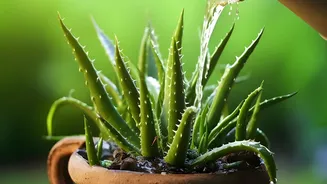
The solution is incredibly simple: make it a habit to empty the catch saucer. After you water your plant thoroughly, allowing excess to drain freely, just walk away. Come back in about 15 to 30 minutes. This brief window gives the soil enough time to absorb what it can and for the excess to drain completely. Any water remaining in the saucer after half an hour is water the plant does not need and will only cause harm. Pouring it away is one of the single most effective things you can do for your plant's health. For large, heavy pots, a turkey baster can be a useful tool to remove the excess water without having to lift the container.
Recognising the Signs of Trouble
How can you tell if a plant is already suffering from the effects of standing water? The signs of overwatering and root rot can be deceptive, sometimes mimicking the look of a thirsty plant. Key symptoms include yellowing lower leaves, wilting even when the soil is moist, and stunted growth. If the problem is advanced, you might notice the roots are brown or black, soft, and mushy instead of firm and white. There might also be a foul, musty, or swampy smell coming from the soil, which is a clear indicator of decay.
Smarter Setups for Better Drainage
If you have a busy schedule or are simply forgetful, there are alternative potting methods that can help manage drainage. The 'double potting' method involves placing your plant in its standard nursery pot (with drainage holes) inside a larger, decorative pot without holes, known as a cachepot. This allows water to drain away from the roots and collect in the outer pot, where it won't be in direct contact with the soil. You can simply lift the inner pot to empty the cachepot. Self-watering planters are another option, using a reservoir and wicking system to provide moisture without waterlogging the soil. These setups can provide extra peace of mind and help automate good watering practices.